Genres
Make Music
Artists
Albums
Challenges
Sign in
Sign in
Albums
By Various Artists
Albums
By Various Artists
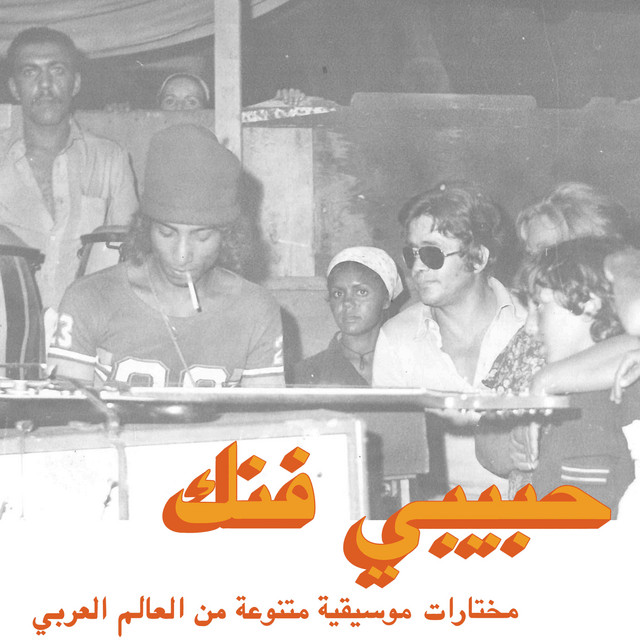
Habibi Funk: An Eclectic Selection of Music from the Arab World (Habibi Funk 007)
December 1, 2017
Listen
1
/5
Genres
Arab Groove
Arab groove is a dance‑oriented fusion that marries contemporary club and funk rhythms with melodies, modes, and percussion from the Arabic‑speaking world. Built on steady 4/4 beats at mid‑tempo (often 95–115 BPM), it layers darbouka/riqq patterns and maqam‑based hooks over funk, disco, downtempo, and trip‑hop frameworks. The result feels both cosmopolitan and rooted: nightclub‑ready production carrying the swing of iqa'at such as maqsum, sa‘idi, and malfuf, plus ear‑catching Hijaz/Bayati motifs on oud, qanun, or synths. The style flourished in the 1990s–2000s through diasporic hubs (notably France and the UK), compilations and club nights, and artists who bridged Arabic pop/raï with electronic production. It remains a gateway sound for global audiences discovering modern Arabic music.
Discover
Listen
Jazz-Funk
Jazz-funk is a groove-forward hybrid of jazz improvisation and harmony with the rhythmic drive and backbeat of funk. It features syncopated basslines, crisp drum patterns, and tight horn or keyboard riffs, often organized around vamping two- or four-bar progressions rather than complex chord changes. The sound is defined by electric instruments—Fender Rhodes, Clavinet, analog and early digital synthesizers, electric bass, and wah-inflected guitar—alongside punchy horn sections and extended solos. Compared to traditional jazz, the harmonic language is leaner but still rich, emphasizing 9ths, 11ths, 13ths, and modal centers (especially Dorian). The music aims for deep, danceable pocket, slick production, and a soulful, urban feel.
Discover
Listen
Funk
Funk is a rhythm-forward African American popular music style that centers on groove, syncopation, and interlocking parts. Rather than emphasizing complex chord progressions, funk builds tight, repetitive vamps that highlight the rhythm section and create an irresistible dance feel. The genre is marked by syncopated drum patterns, melodic yet percussive bass lines, choppy guitar "chanks," punchy horn stabs, call‑and‑response vocals, and a strong backbeat. Funk’s stripped-down harmony, prominent use of the one (accenting the downbeat), and polyrhythmic layering draw deeply from soul, rhythm and blues, jazz, gospel, and African rhythmic traditions. From James Brown’s late-1960s innovations through the expansive P-Funk universe and the slicker sounds of the 1970s and 1980s, funk has continually evolved while seeding countless other genres, from disco and hip hop to house and modern R&B.
Discover
Listen
Nubian Traditional
Nubian traditional is the folk music of the Nubian people of the Nile Valley, especially in northern Sudan and southern Egypt. It is rooted in ancient riverine life and characterized by pentatonic melodies, call‑and‑response vocals, and propulsive hand‑clapping and frame‑drum rhythms. Core timbres come from lyres (the Nubian kissar/tanbūra), the oud, and percussion such as the tar (frame drum) and darbuka (goblet drum). Songs are performed in Nubian languages like Nobiin, Kenzi (Mattokki), and Andaandi (Dongolawi), and often celebrate community, the Nile, love, and ancestral homelands. Dance is integral: many songs accompany line and circle dances at weddings and village festivities, with strong syncopation in 2/4 and lilting 6/8 patterns. While deeply traditional, the style has interfaced with Arabic and East African musical currents, and in the 20th century informed popular and world‑music fusions while preserving its distinctive Nubian rhythmic feel and pentatonic songcraft.
Discover
Listen
Arabic Music
Arabic music is the modal, largely non-harmonic art and folk music tradition of Arabic-speaking societies across the Middle East and North Africa. It is centered on the maqam system (a constellation of scales, characteristic melodic phrases, and modulation pathways) and the iqa'at cycle-based rhythmic system. Its sound is defined by microtonal intervals (often featuring neutral seconds and micro-inflected pitches rather than equal-tempered quarter-tones), expressive melismas, and a heterophonic ensemble texture in which multiple instruments ornament the same melody simultaneously. Core instruments include the oud, qanun, nay, violin/kamanja, riqq, and darbuka/tabla, with larger firqa (orchestral) lineups common in 20th‑century Cairo. The tradition values poetic text-setting, extended improvisation (taqsim and layali), and the affective aesthetic of tarab—intense musical ecstasy and emotional transport.
Discover
Listen
Similar albums
1978
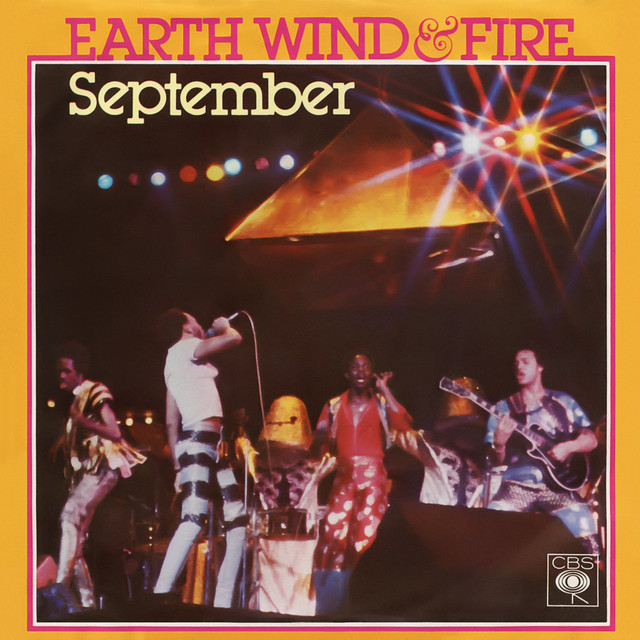
September (sped up + slowed)
Earth, Wind & Fire
1979
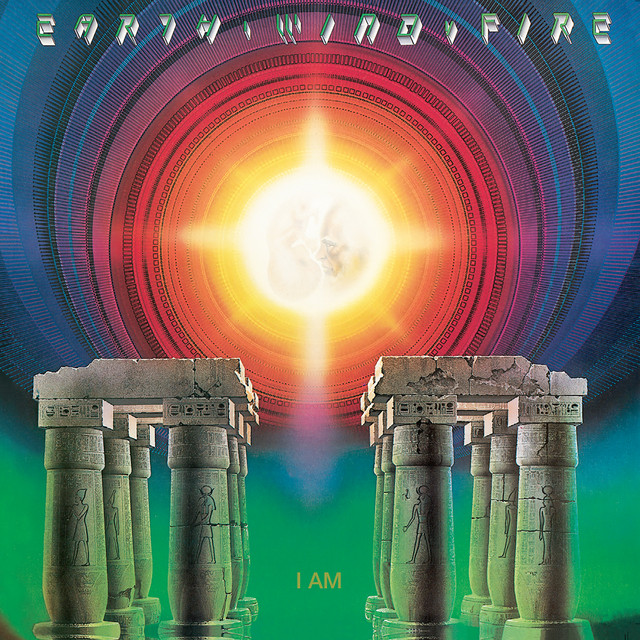
I Am
Earth, Wind & Fire
1978
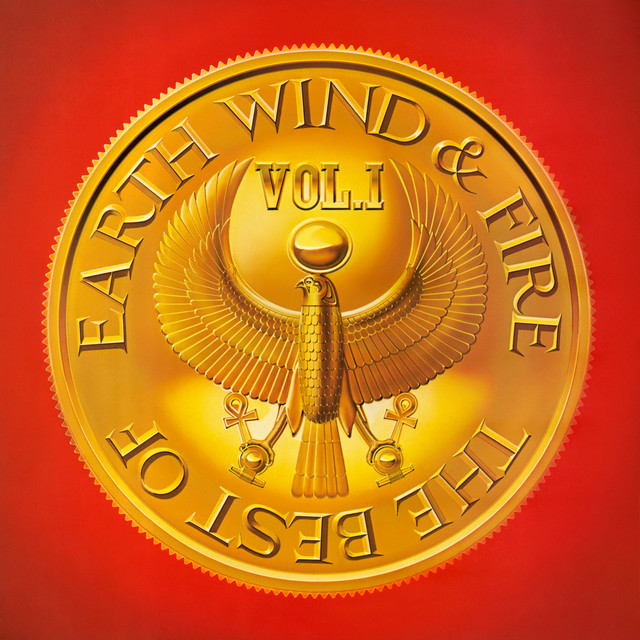
The Best Of Earth, Wind & Fire Vol. 1
Earth, Wind & Fire
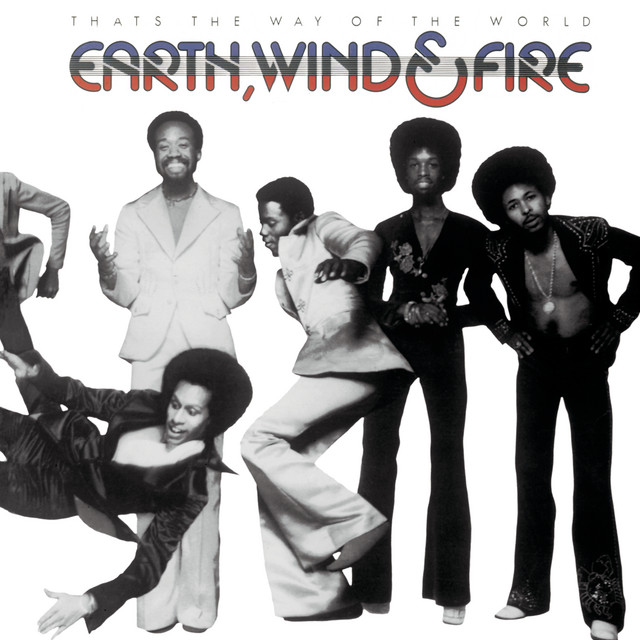
1975
That's The Way Of The World
Earth, Wind & Fire
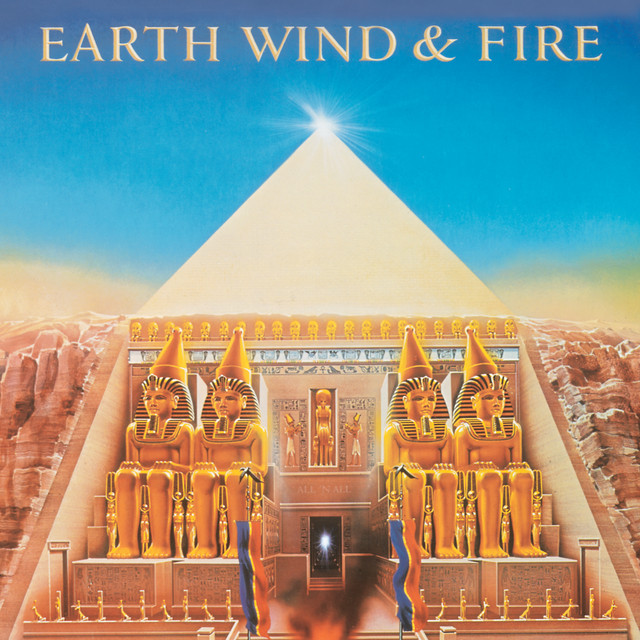
1977
All 'N All
Earth, Wind & Fire
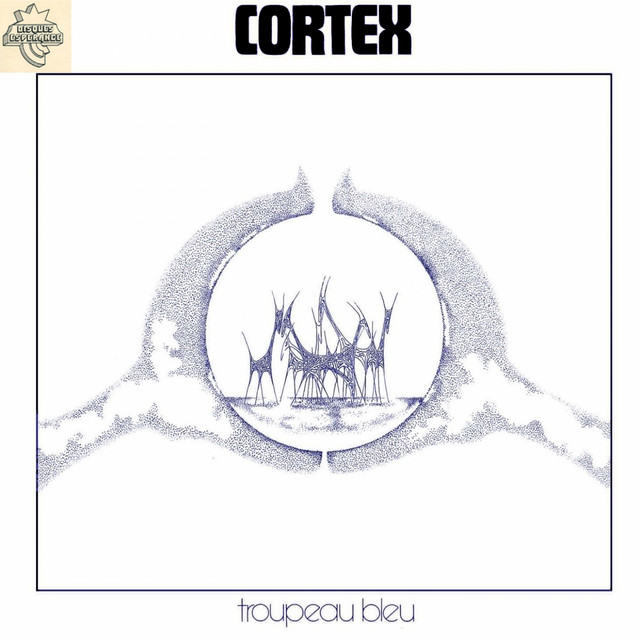
1975
Troupeau bleu
Cortex
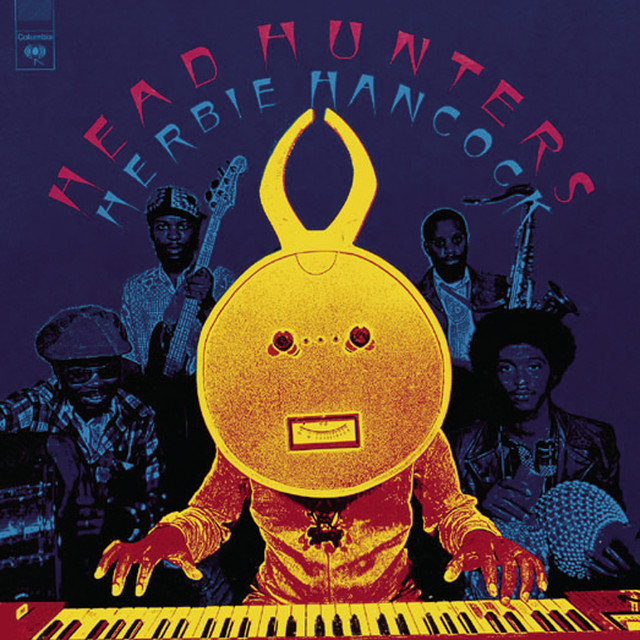
1973
Head Hunters
Herbie Hancock
1973
Tower Of Power
Tower Of Power
1981
The Rainbow Goblins
Masayoshi Takanaka 高中正義
1968
Afro-Harping
Dorothy Ashby
Download our mobile app
Get the Melodigging app and start digging for new genres on the go
Download on the App Store
Get it on Google Play
© 2026 Melodigging
Give feedback
Legal
Melodding was created as a tribute to
Every Noise at Once
, which inspired us to help curious minds keep digging into music's ever-evolving genres.