Genres
Make Music
Artists
Albums
Challenges
Sign in
Sign in
Albums
By Blackmore's Night
Albums
By Blackmore's Night
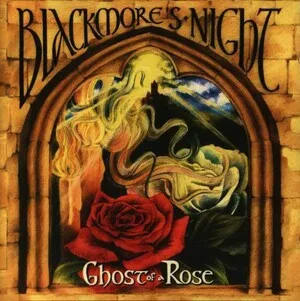
Ghost of a Rose
2003
Listen
3
/5
Genres
Medieval Rock
Medieval rock is a fusion of contemporary rock with melodies, modes, instruments, and themes drawn from European medieval and early Renaissance music. It typically combines a rock rhythm section (drums, electric bass, guitars) with historical instruments such as bagpipes, hurdy-gurdy, shawms, citterns, recorders, harp, and lute. Musical materials often use modal scales (especially Dorian, Aeolian, and Mixolydian), drones, bordun-style accompaniments, and dance rhythms reminiscent of estampies, saltarellos, and bourrées. The lyrics and imagery frequently reference chivalric tales, minstrelsy, courtly love, folklore, and Middle High German or other archaic languages. In performance, many bands adopt a festive, theatrical medieval pageant aesthetic while delivering high-energy rock arrangements.
Discover
Listen
Mittelalter-Rock
Mittelalter-Rock ("medieval rock") is a German style that fuses contemporary rock with melodies, modes, instruments, and imagery associated with the European Middle Ages. Bands blend electric guitars, bass, and drum kit with hurdy-gurdy (Drehleier), bagpipes (Dudelsack), shawm (Schalmei), lute, and nyckelharpa, often performing in historical costumes and using archaic texts. Musically, it favors modal melodies (Dorian, Aeolian, Mixolydian), danceable rock rhythms, and sing-along choruses. Lyrics are usually in German and frequently reference minstrels, legends, feasting, and chivalric or folk subject matter; occasional verses appear in Latin or Middle High German. The result is a festive, theatrical sound that sits between folk rock and gothic-tinged rock, with an unmistakably medieval color.
Discover
Listen
Neo-Medieval Folk
Neo-medieval folk is a modern revivalist style that reimagines the sounds of medieval and early Renaissance Europe through contemporary folk aesthetics. It favors acoustic, historically inspired instruments (hurdy-gurdy, bagpipes, lute, harp, nyckelharpa, recorders, shawms, frame drums) and modal melodies, often sung in historical or reconstructed languages. While rooted in academic early-music practice, the genre is more atmospheric and narrative-driven than strictly scholarly. Artists blend courtly songs, dance forms (such as estampie and saltarello), drone-based textures, and ballad traditions with modern songwriting and subtle production. Depending on the act, it may lean toward dark wave and gothic timbres or toward pastoral, festival-ready folk.
Discover
Listen
Folk Rock
Folk rock is a fusion genre that blends the narrative lyricism, modal melodies, and acoustic timbres of traditional folk with the backbeat, amplification, and song structures of rock. It typically pairs acoustic or traditional instruments (acoustic guitar, mandolin, fiddle) with a rock rhythm section (electric guitar, bass, drums), often featuring chiming 12‑string guitar textures, close vocal harmonies, and socially conscious or storytelling lyrics. The result ranges from intimate, reflective ballads with a steady backbeat to more anthemic, roots‑driven rock. Emerging in the mid‑1960s through artists such as Bob Dylan and The Byrds, folk rock became a gateway for traditional and roots materials to enter mainstream popular music, and it seeded later movements from country rock and Americana to jangle pop and modern indie folk.
Discover
Listen
Progressive Rock
Progressive rock is a rock subgenre that expands the genre’s formal, harmonic, and conceptual boundaries. It favors long-form compositions, intricate arrangements, and virtuosic musicianship, often drawing on Western classical, jazz, folk, and psychedelic idioms. Typical hallmarks include multi-part suites, shifting time signatures, extended instrumental passages, recurring motifs, and concept albums that present unified themes or narratives. The sound palette commonly features electric guitar, bass, and drums alongside an array of keyboards (Hammond organ, Mellotron, Moog/ARP synthesizers, piano), woodwinds or brass, and occasional orchestral additions. Lyrics often explore science fiction, mythology, philosophy, social commentary, and introspective themes.
Discover
Listen
Rock
Rock is a broad family of popular music centered on amplified instruments, a strong backbeat, and song forms that foreground riffs, choruses, and anthemic hooks. Emerging from mid‑20th‑century American styles like rhythm & blues, country, and gospel-inflected rock and roll, rock quickly expanded in scope—absorbing folk, blues, and psychedelic ideas—while shaping global youth culture. Core sonic markers include electric guitar (often overdriven), electric bass, drum kit emphasizing beats 2 and 4, and emotive lead vocals. Rock songs commonly use verse–chorus structures, blues-derived harmony, and memorable melodic motifs, ranging from intimate ballads to high‑energy, stadium‑sized performances.
Discover
Listen
Similar albums
2019
Nordlicht
Versengold
2008
Zaubererbruder: Der Krabat-Liederzyklus
ASP
2005
Des Königs Henker
Saltatio Mortis
1996
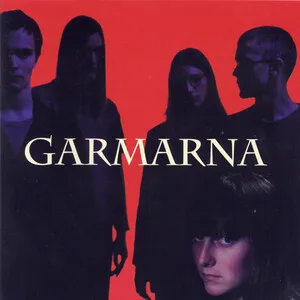
Guds spelemän
Garmarna
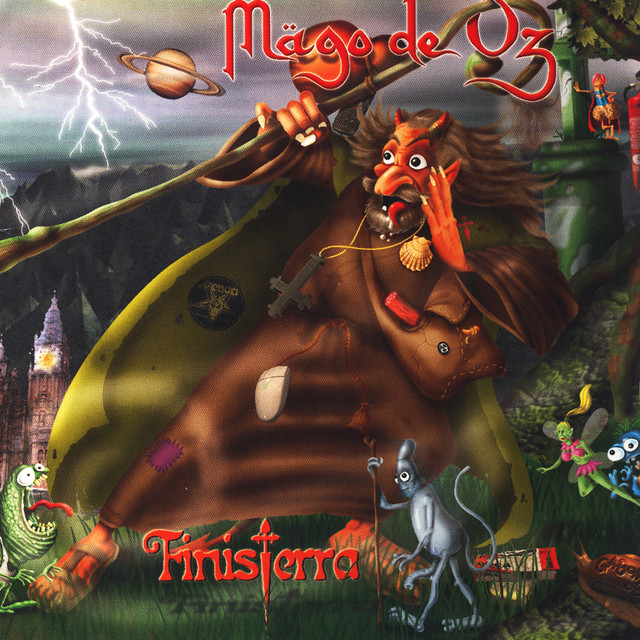
2000
Finisterra
Mägo de Oz
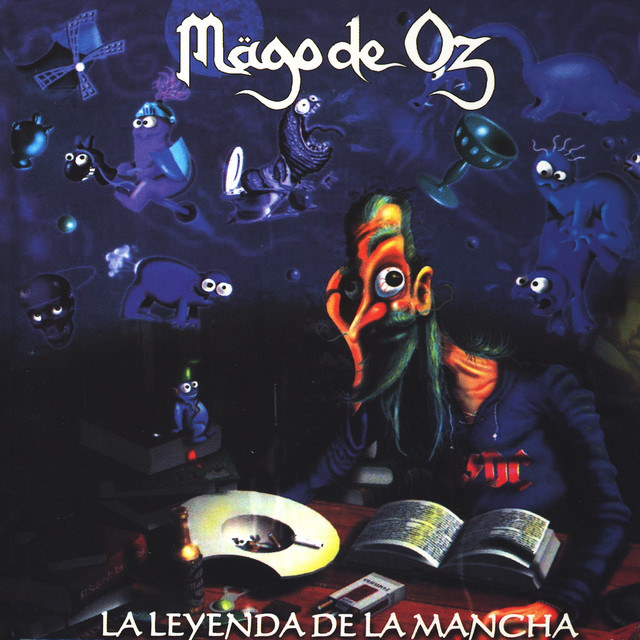
1998
La leyenda de La Mancha
Mägo de Oz
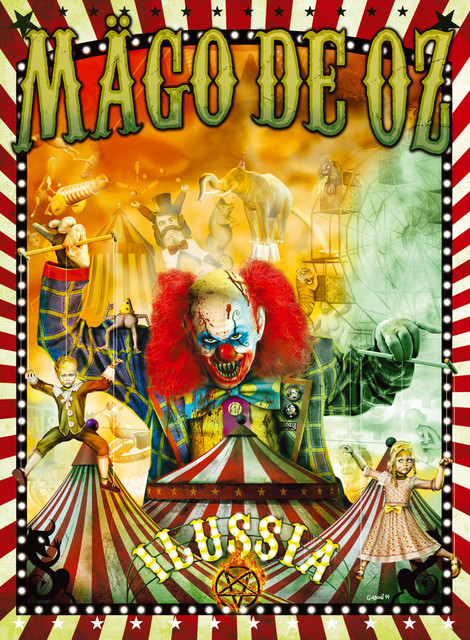
2014
Ilussia
Mägo de Oz
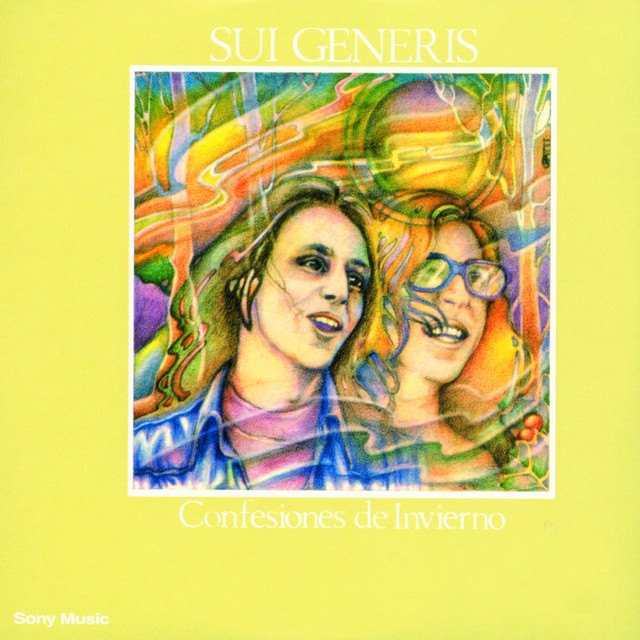
1973
Confesiones de invierno
Sui Generis
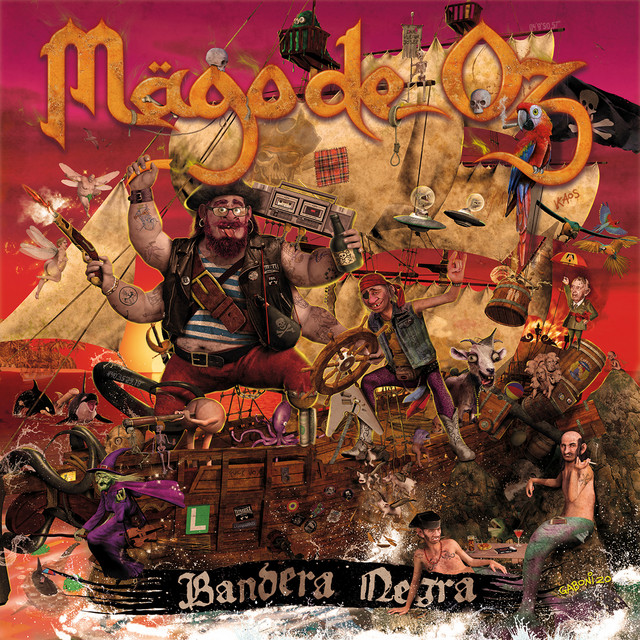
2021
Bandera Negra
Mägo de Oz
1982
Kamikaze
Luis Alberto Spinetta
Download our mobile app
Get the Melodigging app and start digging for new genres on the go
Download on the App Store
Get it on Google Play
© 2026 Melodigging
Give feedback
Legal
Melodding was created as a tribute to
Every Noise at Once
, which inspired us to help curious minds keep digging into music's ever-evolving genres.