Genres
Make Music
Artists
Albums
Challenges
Sign in
Sign in
Albums
By Jerry Garcia
Albums
By Jerry Garcia
Garcia
January 20, 1972
Listen
3
/5
Genres
Jamgrass
Jamgrass is a hybrid of traditional bluegrass instrumentation and the expansive, improvisation-heavy aesthetics of jam band culture. It keeps the acoustic core of bluegrass—banjo, mandolin, fiddle, guitar, and upright bass—while embracing extended solos, modal vamps, rhythmic detours, and spontaneous transitions between songs. Unlike classic bluegrass, jamgrass often features drum kits, electric bass, keyboards, and effects, especially in live settings. Arrangements are flexible, with grooves stretching out to accommodate collective improvisation and call-and-response between instruments. The vibe is festival-ready: rootsy, virtuosic, danceable, and open-ended, encouraging audience participation and long-form setlist flow.
Discover
Listen
Cosmic Country
Cosmic country blends classic country songwriting with psychedelic textures, spacious production, and a subtly jam-oriented approach. It keeps the twang of pedal steel, Telecaster leads, and two-step rhythms, but bathes them in tape echo, plate reverb, and occasionally gentle synths or swirling organs. The style’s “cosmic” quality comes from its dreamy, contemplative mood and lyrical focus on travel, transcendence, the open road, and big-sky spirituality. It feels warm and analog, favoring live-band interplay, extended instrumental passages, and harmonies that blur the line between honky-tonk earthiness and starry-eyed psychedelia.
Discover
Listen
San Francisco Sound
The San Francisco Sound refers to the distinctive, improvisation-heavy psychedelic rock that emerged from the San Francisco Bay Area—especially Haight-Ashbury—during the mid-to-late 1960s. It is characterized by long, modal jams; a live-first ethos; prominent use of electric guitars with feedback and distortion; fluid, conversational improvisation among players; and a communal, countercultural sensibility. Bands frequently blended blues, folk, country, R&B, jazz, and raga influences, often incorporating droning textures, extended solos, and striking dynamic arcs. The scene was as much about place and community as sound: Bill Graham’s Fillmore, the Avalon Ballroom, light shows, the Acid Tests, underground FM radio, and Owsley Stanley’s high-fidelity sound systems all helped forge a large-room, enveloping live aesthetic that came to define the movement.
Discover
Listen
Roots Rock
Roots rock is a back-to-basics strain of rock music that reconnects the electric band format with its foundational American roots in blues, country, folk, rhythm & blues, and early rock and roll. It favors sturdy songcraft, earthy timbres, and groove over studio gloss—think twangy or gritty guitars, Hammond organ or piano, a steady backbeat, and plainspoken, story-driven lyrics. The style often carries a "live-in-the-room" feel, medium tempos, and blues-based progressions, evoking bar bands, roadhouses, and rural imagery. Rather than chasing cutting-edge production or virtuosic excess, roots rock emphasizes feel, narrative, and tradition—bridging the immediacy of rock with the storytelling of folk and country and the emotional bite of the blues.
Discover
Listen
Country Rock
Country rock is a hybrid of country music’s storytelling, twang, and acoustic textures with rock’s backbeat, amplification, and song structures. It typically features electric and acoustic guitars, pedal steel, close vocal harmonies, and a steady 4/4 groove, while lyrics focus on roads, small towns, heartbreak, and everyday American life. The sound ranges from jangly and rootsy to polished and radio-friendly, bridging bar-band energy with country elegance and shaping the template for later Americana and heartland styles.
Discover
Listen
Folk Rock
Folk rock is a fusion genre that blends the narrative lyricism, modal melodies, and acoustic timbres of traditional folk with the backbeat, amplification, and song structures of rock. It typically pairs acoustic or traditional instruments (acoustic guitar, mandolin, fiddle) with a rock rhythm section (electric guitar, bass, drums), often featuring chiming 12‑string guitar textures, close vocal harmonies, and socially conscious or storytelling lyrics. The result ranges from intimate, reflective ballads with a steady backbeat to more anthemic, roots‑driven rock. Emerging in the mid‑1960s through artists such as Bob Dylan and The Byrds, folk rock became a gateway for traditional and roots materials to enter mainstream popular music, and it seeded later movements from country rock and Americana to jangle pop and modern indie folk.
Discover
Listen
Rock
Rock is a broad family of popular music centered on amplified instruments, a strong backbeat, and song forms that foreground riffs, choruses, and anthemic hooks. Emerging from mid‑20th‑century American styles like rhythm & blues, country, and gospel-inflected rock and roll, rock quickly expanded in scope—absorbing folk, blues, and psychedelic ideas—while shaping global youth culture. Core sonic markers include electric guitar (often overdriven), electric bass, drum kit emphasizing beats 2 and 4, and emotive lead vocals. Rock songs commonly use verse–chorus structures, blues-derived harmony, and memorable melodic motifs, ranging from intimate ballads to high‑energy, stadium‑sized performances.
Discover
Listen
Similar albums
1992
Harvest Moon
Neil Young
1970
Déjà vu
Crosby, Stills, Nash & Young
1972
Naturally
J.J. Cale
1972
Harvest
Neil Young
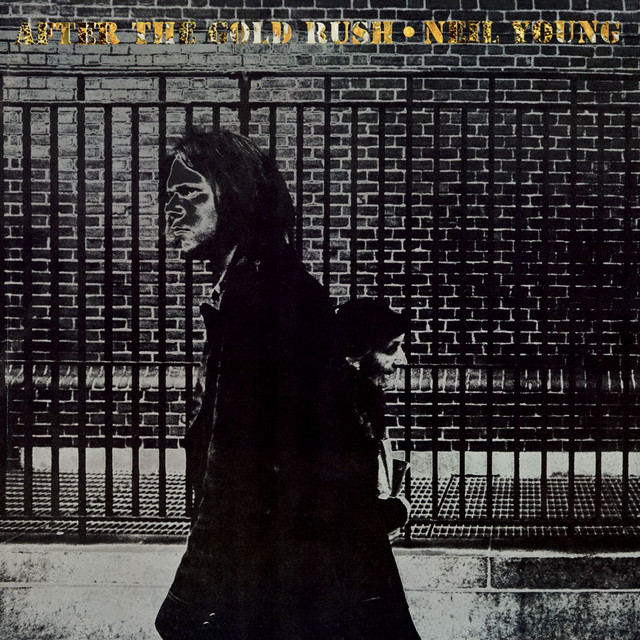
1970
After the Gold Rush
Neil Young
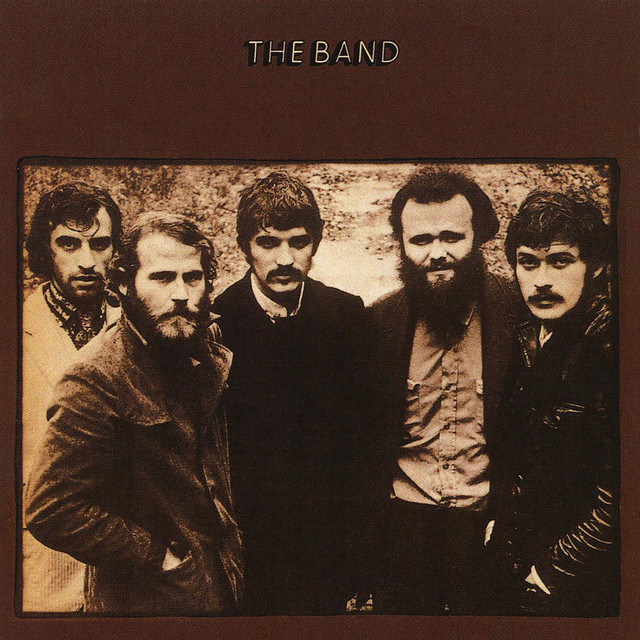
1969
The Band
The Band
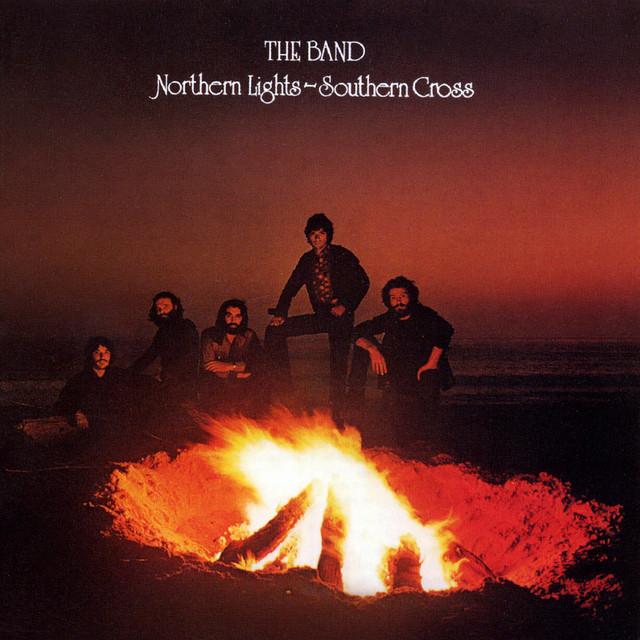
1975
Northern Lights - Southern Cross
The Band
1975
The Basement Tapes
Bob Dylan & The Band
1971
If I Could Only Remember My Name
David Crosby
1971
White Light
Gene Clark
Download our mobile app
Get the Melodigging app and start digging for new genres on the go
Download on the App Store
Get it on Google Play
© 2026 Melodigging
Give feedback
Legal
Melodding was created as a tribute to
Every Noise at Once
, which inspired us to help curious minds keep digging into music's ever-evolving genres.