Genres
Make Music
Artists
Albums
Challenges
Sign in
Sign in
Albums
By J.J. Cale
Albums
By J.J. Cale
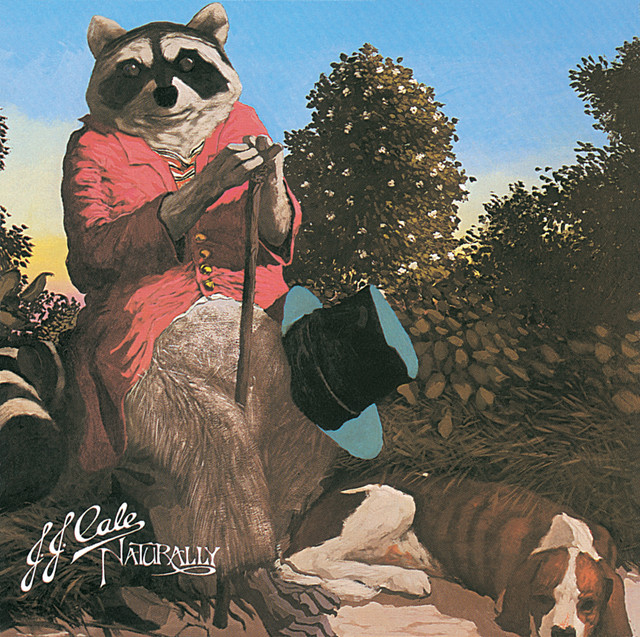
Naturally
1972
Listen
4
/5
Genres
Country Rock
Country rock is a hybrid of country music’s storytelling, twang, and acoustic textures with rock’s backbeat, amplification, and song structures. It typically features electric and acoustic guitars, pedal steel, close vocal harmonies, and a steady 4/4 groove, while lyrics focus on roads, small towns, heartbreak, and everyday American life. The sound ranges from jangly and rootsy to polished and radio-friendly, bridging bar-band energy with country elegance and shaping the template for later Americana and heartland styles.
Discover
Listen
Roots Rock
Roots rock is a back-to-basics strain of rock music that reconnects the electric band format with its foundational American roots in blues, country, folk, rhythm & blues, and early rock and roll. It favors sturdy songcraft, earthy timbres, and groove over studio gloss—think twangy or gritty guitars, Hammond organ or piano, a steady backbeat, and plainspoken, story-driven lyrics. The style often carries a "live-in-the-room" feel, medium tempos, and blues-based progressions, evoking bar bands, roadhouses, and rural imagery. Rather than chasing cutting-edge production or virtuosic excess, roots rock emphasizes feel, narrative, and tradition—bridging the immediacy of rock with the storytelling of folk and country and the emotional bite of the blues.
Discover
Listen
Blues Rock
Blues rock is a guitar-driven style that fuses the raw feeling and 12‑bar structures of the blues with the power, volume, and rhythmic punch of rock. It emphasizes riff-based songs, pentatonic and blues-scale soloing, call‑and‑response between voice and guitar, and an expressive, often gritty vocal delivery. Typical ensembles are power trios (guitar, bass, drums) or quartet formats adding second guitar, keyboards, or harmonica, and performances commonly feature extended improvisation. Sonically, it favors overdriven tube-amp tones, sustained bends, vibrato, and dynamic contrasts, moving from shuffles and boogies to straight‑eighth rock grooves.
Discover
Listen
Folk Rock
Folk rock is a fusion genre that blends the narrative lyricism, modal melodies, and acoustic timbres of traditional folk with the backbeat, amplification, and song structures of rock. It typically pairs acoustic or traditional instruments (acoustic guitar, mandolin, fiddle) with a rock rhythm section (electric guitar, bass, drums), often featuring chiming 12‑string guitar textures, close vocal harmonies, and socially conscious or storytelling lyrics. The result ranges from intimate, reflective ballads with a steady backbeat to more anthemic, roots‑driven rock. Emerging in the mid‑1960s through artists such as Bob Dylan and The Byrds, folk rock became a gateway for traditional and roots materials to enter mainstream popular music, and it seeded later movements from country rock and Americana to jangle pop and modern indie folk.
Discover
Listen
Rock
Rock is a broad family of popular music centered on amplified instruments, a strong backbeat, and song forms that foreground riffs, choruses, and anthemic hooks. Emerging from mid‑20th‑century American styles like rhythm & blues, country, and gospel-inflected rock and roll, rock quickly expanded in scope—absorbing folk, blues, and psychedelic ideas—while shaping global youth culture. Core sonic markers include electric guitar (often overdriven), electric bass, drum kit emphasizing beats 2 and 4, and emotive lead vocals. Rock songs commonly use verse–chorus structures, blues-derived harmony, and memorable melodic motifs, ranging from intimate ballads to high‑energy, stadium‑sized performances.
Discover
Listen
Blues
Blues is an African American musical tradition defined by expressive "blue notes," call-and-response phrasing, and a characteristic use of dominant-seventh harmony in cyclical song forms (most famously the 12‑bar blues). It is as much a feeling as a form, conveying sorrow, resilience, humor, and hard-won joy. Musically, blues commonly employs the I–IV–V progression, swung or shuffled rhythms, and the AAB lyric stanza. Melodies lean on the minor/major third ambiguity and the flattened fifth and seventh degrees. Core instruments include voice, guitar (acoustic or electric), harmonica, piano, bass, and drums, with slide guitar, bends, and vocal melismas as signature techniques. Over time the blues has diversified into regional and stylistic currents—Delta and Piedmont country blues, urban Chicago and Texas blues, West Coast jump and boogie-woogie—while profoundly shaping jazz, rhythm & blues, rock and roll, soul, funk, and much of modern popular music.
Discover
Listen
Similar albums
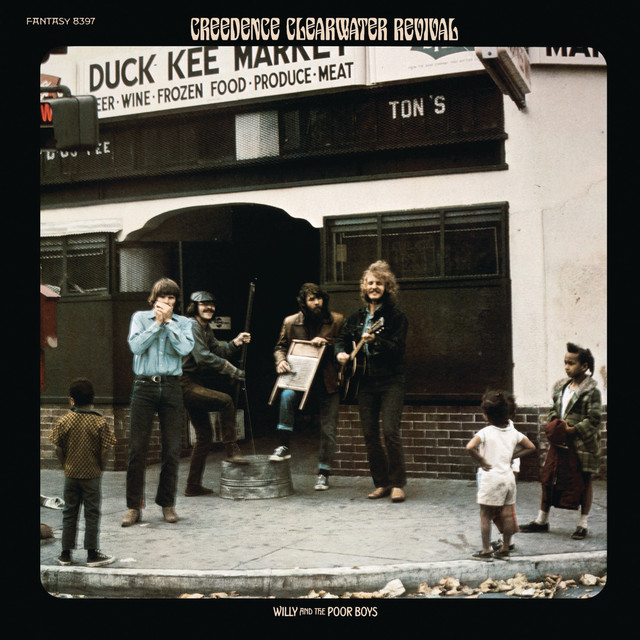
1969
Willy and the Poor Boys
Creedence Clearwater Revival
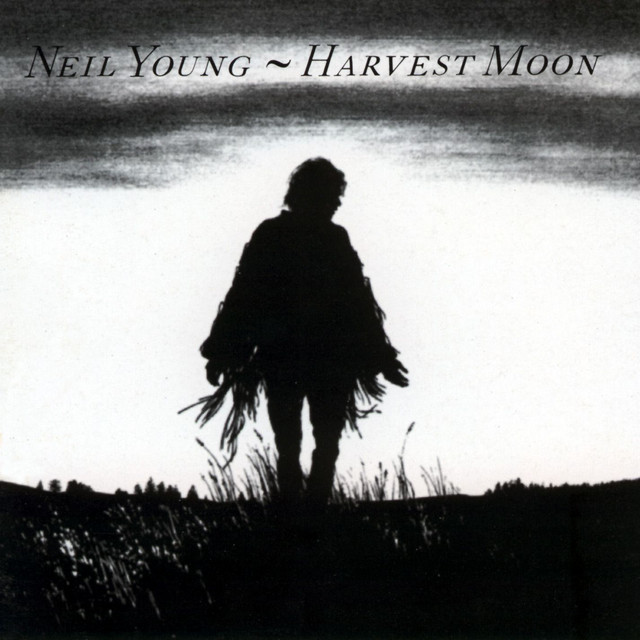
1992
Harvest Moon
Neil Young
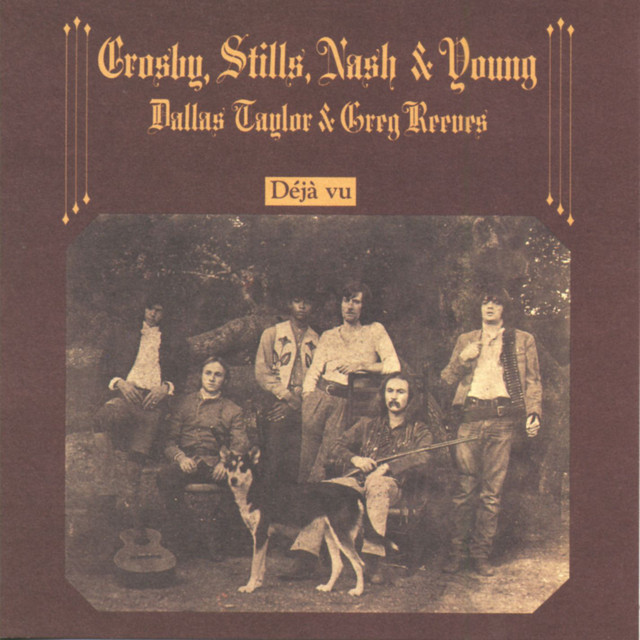
1970
Déjà vu
Crosby, Stills, Nash & Young
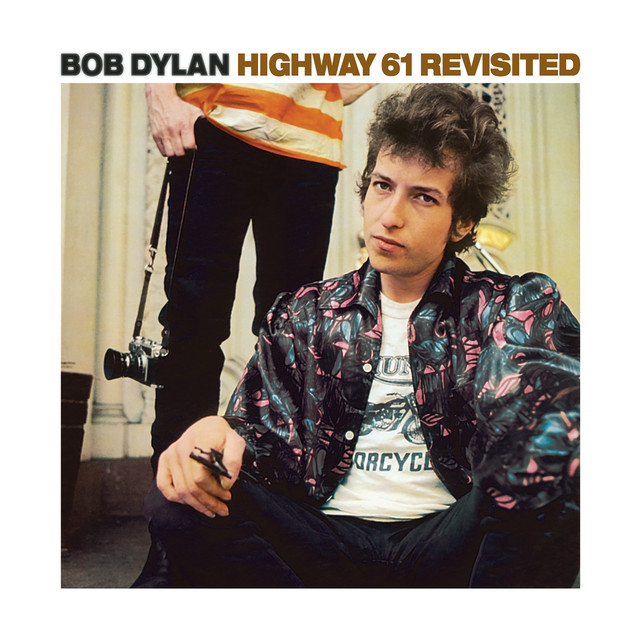
1965
Highway 61 Revisited
Bob Dylan
1972
Harvest
Neil Young
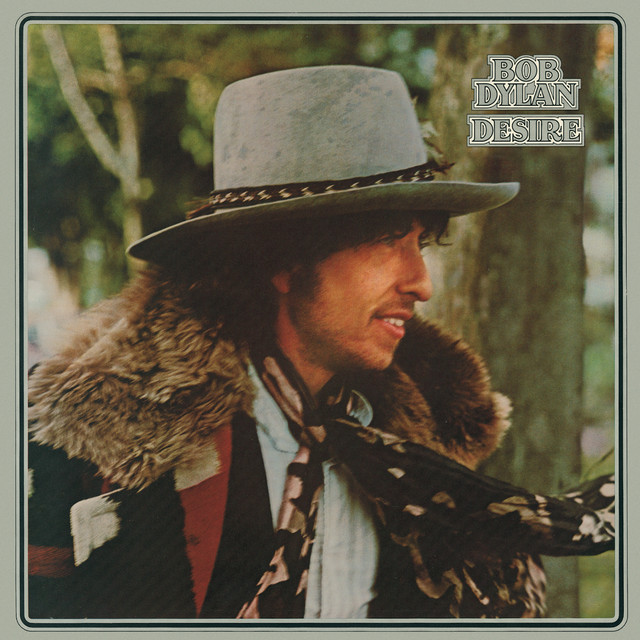
1976
Desire
Bob Dylan
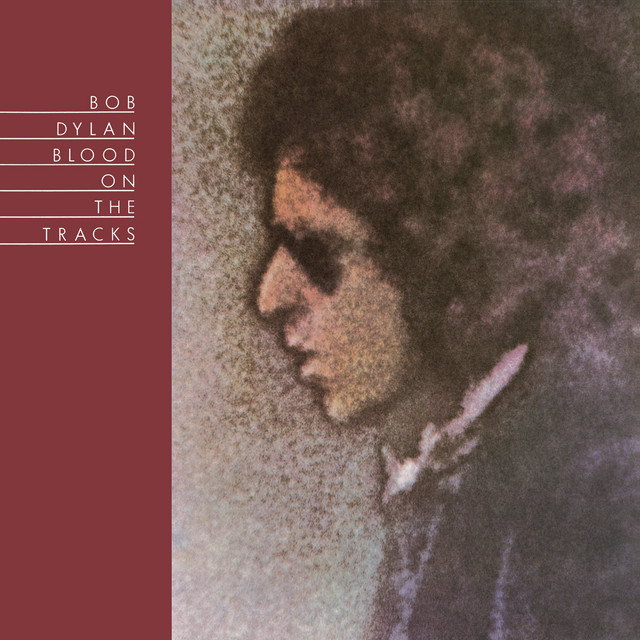
1975
Blood on the Tracks
Bob Dylan
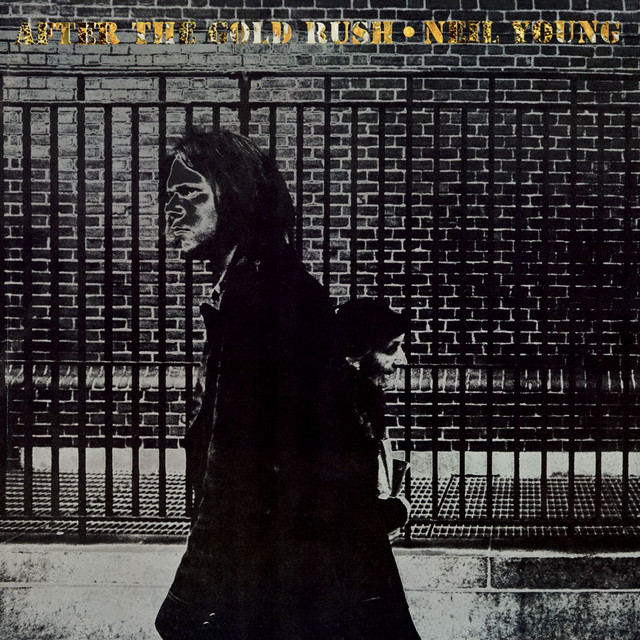
1970
After the Gold Rush
Neil Young
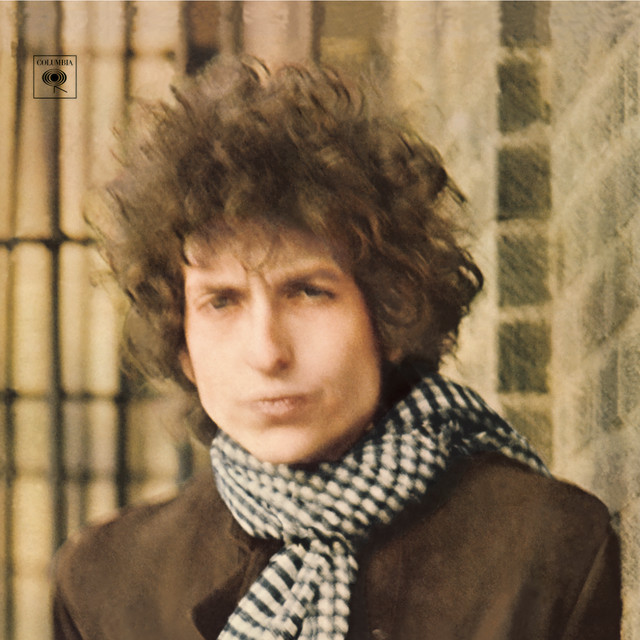
1966
Blonde on Blonde
Bob Dylan
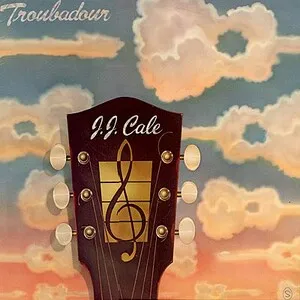
1976
Troubadour
J.J. Cale
Download our mobile app
Get the Melodigging app and start digging for new genres on the go
Download on the App Store
Get it on Google Play
© 2026 Melodigging
Give feedback
Legal
Melodding was created as a tribute to
Every Noise at Once
, which inspired us to help curious minds keep digging into music's ever-evolving genres.