Genres
Make Music
Artists
Albums
Challenges
Sign in
Sign in
Albums
By Morbid Angel
Albums
By Morbid Angel
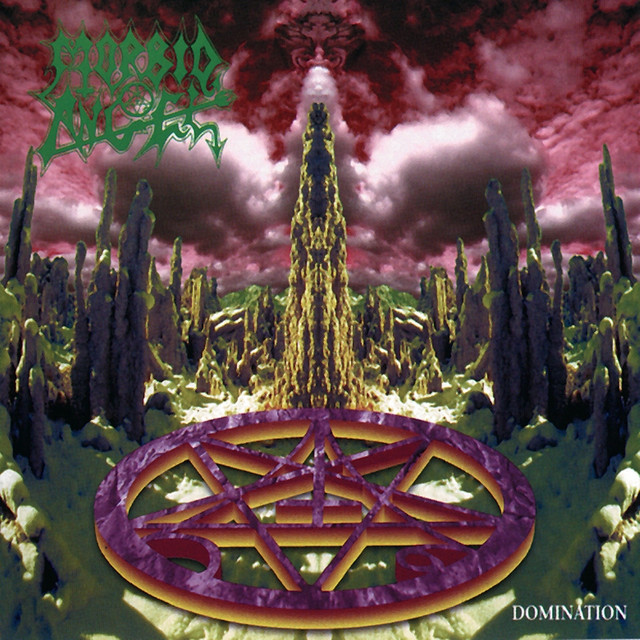
Domination
1995
Listen
3
/5
Genres
Brutal Death Metal
Brutal death metal is an especially extreme branch of death metal that emphasizes overwhelming intensity, dense riffing, and relentlessly aggressive rhythm. Hallmarks include very low-tuned, percussive guitars; rapid-fire tremolo picking; slam-oriented breakdowns; constant blast beats and gravity blasts; and ultra-guttural vocals that range from cavernous growls to “pig squeals.” Lyrical themes are typically visceral and graphic, drawing on horror and gore. Production often favors a tight, punchy drum sound (frequently with triggered kicks), thick multi-tracked guitars, and a bass tone that locks to the drums for maximal impact. Compared to traditional death metal, brutal death metal prioritizes extremity, physicality, and riff density over melody, and often integrates grindcore’s speed and brevity with hardcore-influenced breakdown weight.
Discover
Listen
Deathgrind
Deathgrind is a fusion of death metal and grindcore that combines the former’s low‑tuned, heavy riffing and guttural vocals with the latter’s ultra‑fast tempos, blast‑beat drumming, and short, abrupt song structures. Typical tracks run one to three minutes, feature rapid chromatic tremolo picking, sudden tempo shifts, and a relentless rhythmic attack. Vocals alternate between deep death‑metal growls and high‑pitched screams, while lyrics range from socio‑political critique to graphic, gore‑themed narratives depending on the band. Production tends to be tight and cutting, often with triggered kicks, aggressive guitar tones, and clear articulation so that riffs remain intelligible at extreme speed.
Discover
Listen
Florida Death Metal
Florida death metal is a regional strain of death metal that crystallized in the late 1980s around the Tampa Bay area and nearby cities in Florida. It is characterized by low-tuned, highly palm-muted riffing, chromatic tremolo lines, rapid double‑kick or blast-beat drumming, and guttural, often reverb-dry vocals. Compared with other scenes, the Florida sound favored a tight, precise studio clarity—exemplified by Morrisound Recording and producer/engineer Scott Burns—so every riff, drum accent, and bass run cuts through. Lyrically, it spans gore and horror, occult and anti-religious themes, science fiction, and philosophical reflections, with some bands pushing toward technical and progressive ideas while retaining blunt, muscular intensity.
Discover
Listen
Grindcore
Grindcore is an extremely fast, abrasive fusion of hardcore punk and extreme metal characterized by blast-beat drumming, highly distorted down-tuned guitars, and a mix of guttural growls and high-pitched screams. Songs are typically very short—often under two minutes and sometimes just seconds—favoring intensity over traditional verse–chorus structures. Lyrically, grindcore spans politically charged and socially conscious themes (war, capitalism, animal rights) as well as gore and body horror (particularly in goregrind). Production ranges from raw, live-in-the-room ferocity to tight, modern clarity. The style is defined by relentless speed, dissonant or chromatic riffing, and sudden start–stop shifts that create a feeling of controlled chaos.
Discover
Listen
Black Metal
Black metal is a form of extreme metal defined by fast tempos, tremolo‑picked guitar lines, blast‑beat drumming, shrieked or rasped vocals, and a deliberately raw, icy production aesthetic. Harmonically, it favors minor and modal collections (especially Aeolian and Phrygian), open-string drones, parallel fifths and fourths, tritones, and sparse or suspended chord voicings over blues-derived harmony. Arrangements often employ layered guitars, long-form song structures, and enveloping reverb to create a bleak, otherworldly atmosphere. The genre’s visual and thematic language is equally distinctive: corpse paint, monochrome artwork, and lyrics exploring anti-dogma, nature, pagan myth, cosmic nihilism, and misanthropy. While some scenes have been associated with controversy and extremism, the musical identity centers on sound, atmosphere, and aesthetics rather than any single ideology.
Discover
Listen
Death Metal
Death metal is an extreme subgenre of heavy metal defined by heavily distorted, low‑tuned guitars, rapid and complex riffing, blast beat drumming, and harsh guttural vocals. Its harmonic language favors chromaticism, dissonance, and tremolo-picked lines that create an ominous, abrasive atmosphere. Lyrically, death metal often explores dark or transgressive themes—mortality, mythology, anti-religion, psychological horror, and the macabre—sometimes with philosophical or social commentary. Production ranges from raw and cavernous to hyper-precise and technical, reflecting the genre’s many regional scenes and substyles. From the mid‑1980s Florida scene (Tampa) and parallel developments in the US, UK, and Sweden, death metal evolved into numerous branches including brutal death metal, technical death metal, melodic death metal, and death‑doom, each emphasizing different aspects of speed, complexity, melody, or heaviness.
Discover
Listen
Metal
Metal (often used to mean heavy metal in its broad, umbrella sense) is a loud, guitar-driven style of rock defined by high-gain distortion, emphatic and often martial rhythms, and a dense, powerful low end. It foregrounds riff-based songwriting, dramatic dynamics, virtuosic guitar solos, and commanding vocals that range from melodic wails to aggressive snarls and growls. Harmonically, metal favors minor modes, modal color (Aeolian, Phrygian), chromaticism, and tritone-inflected tension, while thematically it explores power, mythology, the occult, social critique, fantasy, and existential subjects. While adjacent to hard rock, metal typically pushes amplification, distortion, precision, and thematic intensity further, forming a foundation for many specialized subgenres.
Discover
Listen
Rock
Rock is a broad family of popular music centered on amplified instruments, a strong backbeat, and song forms that foreground riffs, choruses, and anthemic hooks. Emerging from mid‑20th‑century American styles like rhythm & blues, country, and gospel-inflected rock and roll, rock quickly expanded in scope—absorbing folk, blues, and psychedelic ideas—while shaping global youth culture. Core sonic markers include electric guitar (often overdriven), electric bass, drum kit emphasizing beats 2 and 4, and emotive lead vocals. Rock songs commonly use verse–chorus structures, blues-derived harmony, and memorable melodic motifs, ranging from intimate ballads to high‑energy, stadium‑sized performances.
Discover
Listen
Similar albums
1989
Altars of Madness
Morbid Angel
1993
Covenant (Full Dynamic Range Edition)
Morbid Angel
2004
Epitaph
Necrophagist
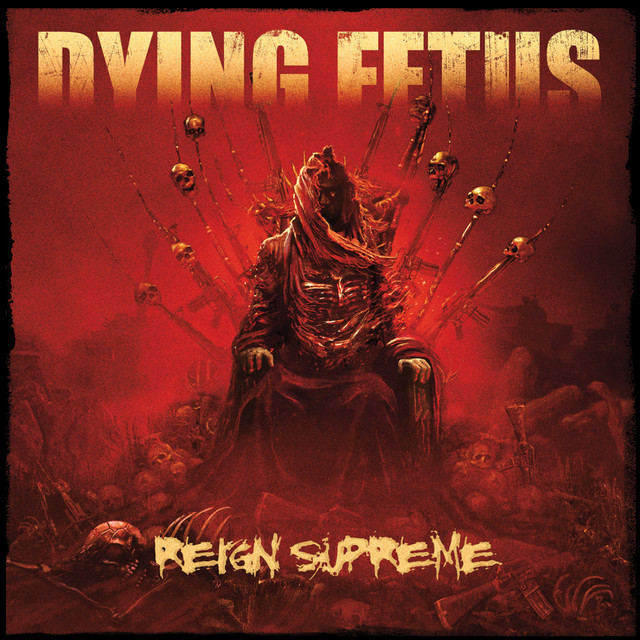
2012
Reign Supreme
Dying Fetus
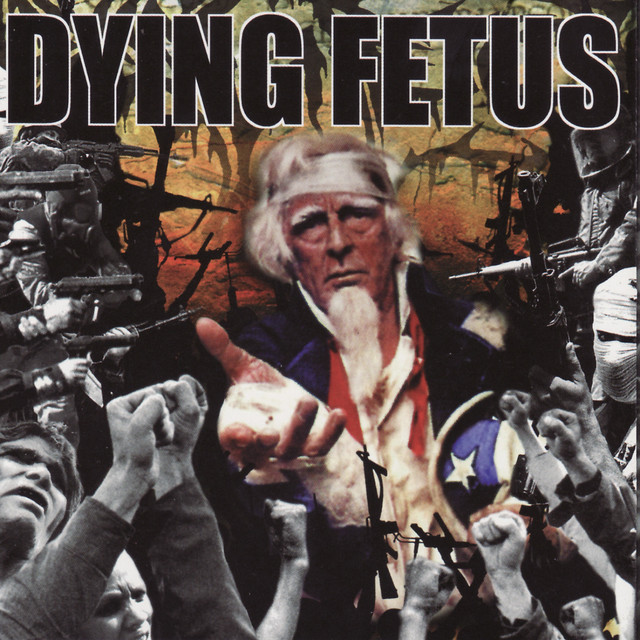
2000
Destroy the Opposition
Dying Fetus
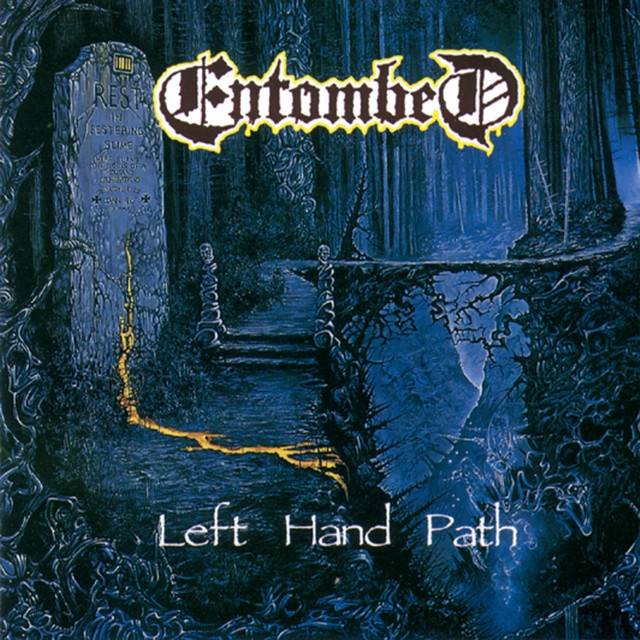
1990
Left Hand Path
Entombed
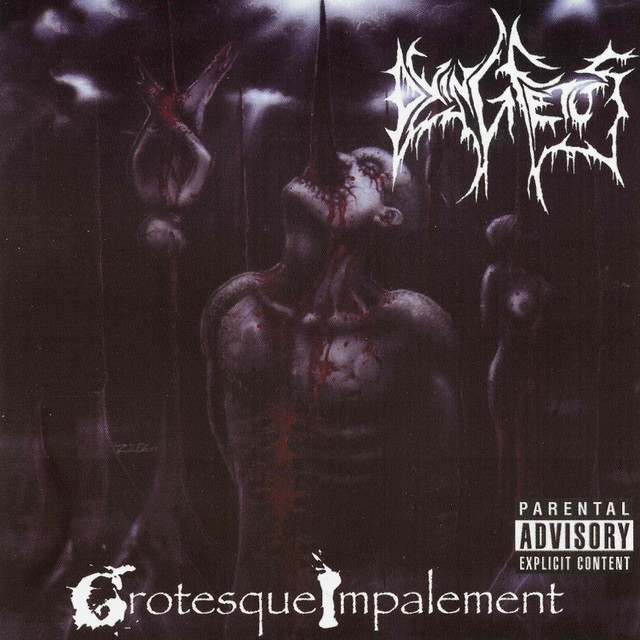
2000
Grotesque Impalement
Dying Fetus
1996
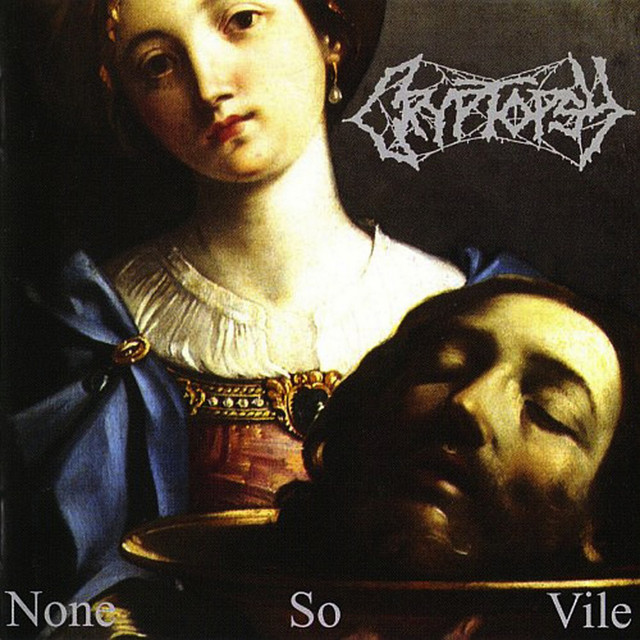
None So Vile
Cryptopsy
1994
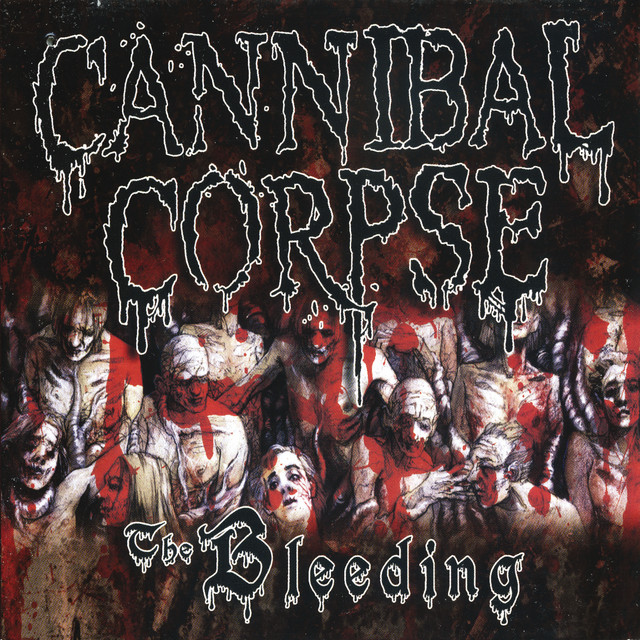
The Bleeding
Cannibal Corpse
2025
Hideous Aftermath
Sanguisugabogg
Download our mobile app
Get the Melodigging app and start digging for new genres on the go
Download on the App Store
Get it on Google Play
© 2026 Melodigging
Give feedback
Legal
Melodding was created as a tribute to
Every Noise at Once
, which inspired us to help curious minds keep digging into music's ever-evolving genres.