Genres
Make Music
Artists
Albums
Challenges
Sign in
Sign in
Albums
By Milton Nascimento
Albums
By Milton Nascimento
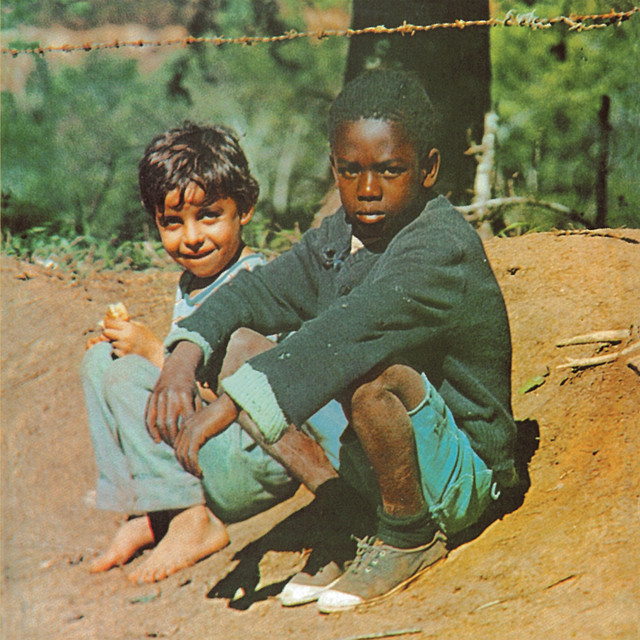
Clube da esquina
January 3, 1972
Listen
4
/5
Genres
Clube Da Esquina
Clube da Esquina is a Brazilian musical movement and songwriting style that emerged in the early 1970s in Belo Horizonte, Minas Gerais. It fuses the poetic intimacy of MPB and bossa nova with Beatles-inspired rock, jazz harmony, folk-rock textures, and touches of psychedelia and progressive rock. The result is a warm, guitar- and piano-led sound with luminous vocal harmonies, sophisticated chord colors, and evocative, image-rich lyrics. Its hallmark is the blend of regional Mineiro sensibility—pastoral, nostalgic, spiritual—with cosmopolitan arranging and harmonic daring. Songs feel dreamy yet grounded, tender yet harmonically bold, balancing lyrical introspection with melodic immediacy.
Discover
Listen
Mpb
MPB (Música Popular Brasileira) is a broad Brazilian popular music movement that crystallized in the mid-1960s after bossa nova. It blends samba and other regional rhythms with jazz harmony, singer‑songwriter craft, and elements of contemporary pop and rock. The style is marked by sophisticated melodies, extended harmonies, inventive arrangements, and lyrically rich songs that often use poetry and metaphor. Many classic MPB works balance intimacy (voice and violão/nylon‑string guitar) with lush studio orchestration, drawing from samba‑canção, choro, baião, and frevo while engaging modern influences. Historically, MPB provided a platform for social commentary during Brazil’s military dictatorship, with artists employing allegory to navigate censorship. It remains a living tradition that continually renews itself through new generations (“nova MPB”).
Discover
Listen
Scenes & Movements
“Scenes & movements” is not a single musical style but a meta‑category used by historians, critics, and discographers to group releases and artists that cohere around a place, community, manifesto, press‑coined wave, or shared infrastructure (venues, labels, fanzines, studios, aesthetics). Examples include geographically rooted clusters (Merseybeat in Liverpool, CBGB punk in New York, Madchester in Manchester), ideational collectives (Rock in Opposition across the UK/Europe), press‑named waves (No Wave, C86), and label‑centric families (Elephant 6 in the U.S.). These scenes frequently develop recognizable sonic traits, visual codes, and production practices—yet what binds them first is social ecology and self‑identification rather than a strict set of musical parameters.
Discover
Listen
Brazilian Jazz
Brazilian jazz is the meeting point of Brazilian popular music and North American jazz, blending samba and bossa nova rhythms with jazz harmony, improvisation, and ensemble interaction. The style typically features syncopated Brazilian grooves (samba, bossa, partido‑alto) under extended jazz chord voicings and lyrical melodies. Acoustic guitar or piano often supplies a gently propulsive, off‑beat rhythmic bed, while bass and drums translate samba’s surdo and pandeiro patterns to the jazz rhythm section. Timbres range from intimate (nylon‑string guitar, brushed drum kit, flute) to expansive (full percussion batteries, horns, and electric keys). The overall feel can be both laid‑back and danceable—romantic yet harmonically sophisticated.
Discover
Listen
Rock
Rock is a broad family of popular music centered on amplified instruments, a strong backbeat, and song forms that foreground riffs, choruses, and anthemic hooks. Emerging from mid‑20th‑century American styles like rhythm & blues, country, and gospel-inflected rock and roll, rock quickly expanded in scope—absorbing folk, blues, and psychedelic ideas—while shaping global youth culture. Core sonic markers include electric guitar (often overdriven), electric bass, drum kit emphasizing beats 2 and 4, and emotive lead vocals. Rock songs commonly use verse–chorus structures, blues-derived harmony, and memorable melodic motifs, ranging from intimate ballads to high‑energy, stadium‑sized performances.
Discover
Listen
Latin
Latin (as a genre label) is a broad umbrella used by the recording industry to categorize popular music rooted in Latin America, the Caribbean, and the Iberian world, often characterized by syncopated Afro-diasporic rhythms, dance-forward grooves, and lyrics primarily in Spanish or Portuguese. As a marketplace category that took shape in the mid-20th century United States, it gathers diverse traditions—Afro-Cuban, Brazilian, Mexican, and Caribbean styles—into a shared space. In practice, "Latin" spans everything from big-band mambo and bolero ballads to contemporary pop, rock, hip hop, and dance fusions produced by artists of Latin American heritage.
Discover
Listen
Brazilian Music
Brazilian music is an umbrella term for the many popular and traditional styles that emerged from Brazil’s fusion of Indigenous, African, and Portuguese (Iberian) cultures. It is defined by rich rhythmic vocabularies (from samba’s syncopation to northeastern baião/forró grooves), melodically expressive singing, and harmonies that range from simple folk cadences to the jazz-inflected sophistication of bossa nova and MPB. Instruments such as the violão (nylon-string guitar), cavaquinho, pandeiro, surdo, cuíca, and berimbau sit alongside brass, woodwinds, and modern studio production. Under this umbrella lie internationally known styles like samba, choro, frevo, maracatu, bossa nova, MPB, forró, axé, pagode, sertanejo, and funk carioca (baile funk), each linking regional traditions to ongoing global exchanges.
Discover
Listen
Regional Music
Regional music is an umbrella term for locally rooted musical styles that are strongly tied to a specific place, community, and cultural practice. Rather than denoting one uniform sound, it encompasses many traditions whose instrumentation, rhythms, language, and performance customs reflect the history and daily life of a region. In the recording era, labels, radio programmers, and later streaming platforms used “regional music” to group market- or scene-specific traditions (for example, Cajun in Louisiana, son in Cuba, morna in Cape Verde, or Irish traditional music). The term highlights locality, vernacular identity, and continuity with folk or indigenous practices, even when these styles modernize or cross over into pop and rock contexts.
Discover
Listen
Similar albums
1971
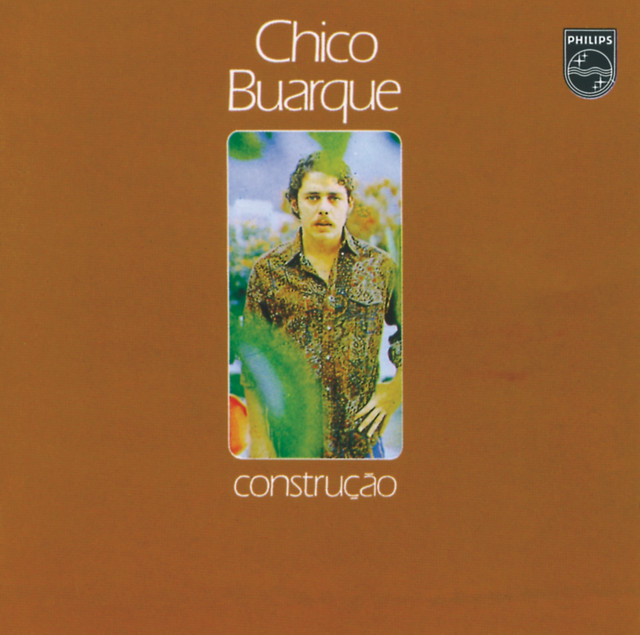
Construção
Chico Buarque
1973
Milagre dos peixes
Milton Nascimento
1974
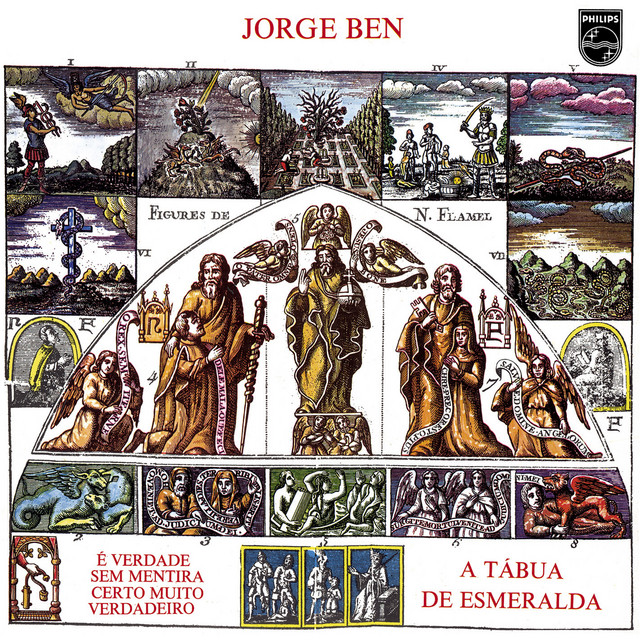
A Tábua de Esmeralda
Jorge Ben
1970
Fôrça bruta
Jorge Ben
1975
Minas
Milton Nascimento
1970
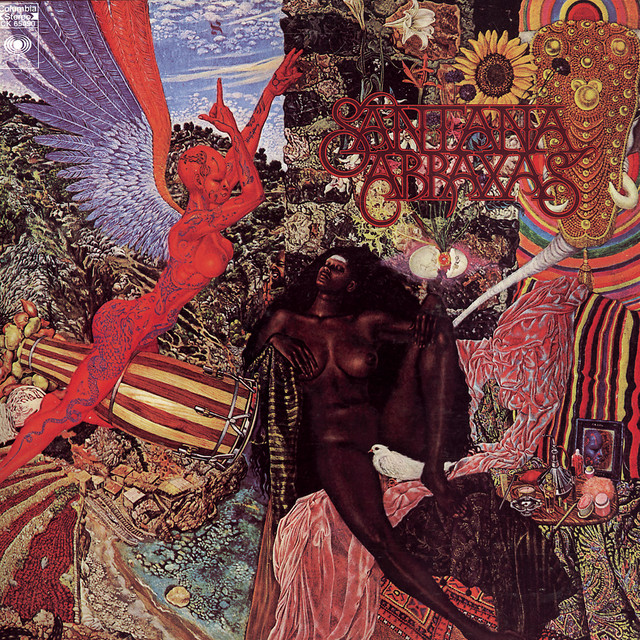
Abraxas
Santana
1969
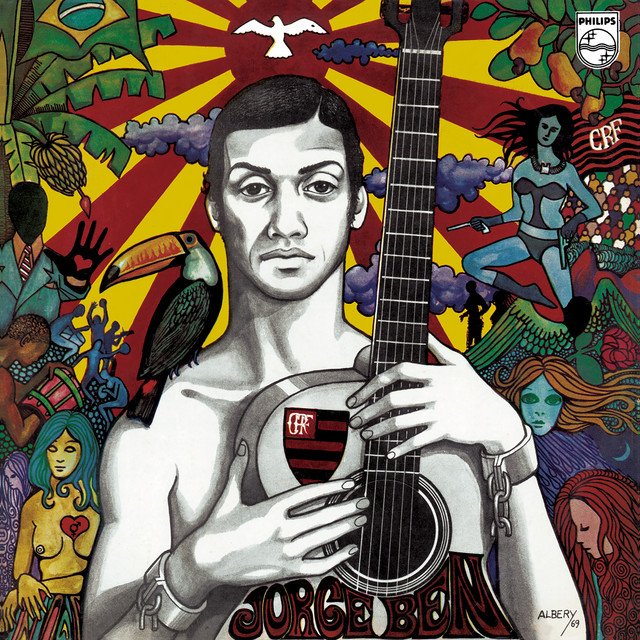
Jorge Ben
Jorge Ben
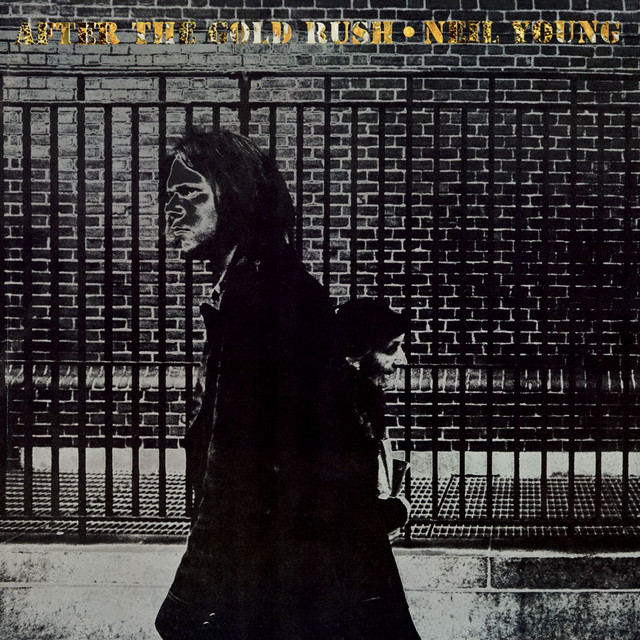
1970
After the Gold Rush
Neil Young
1969
Everybody Knows This Is Nowhere
Neil Young / Crazy Horse
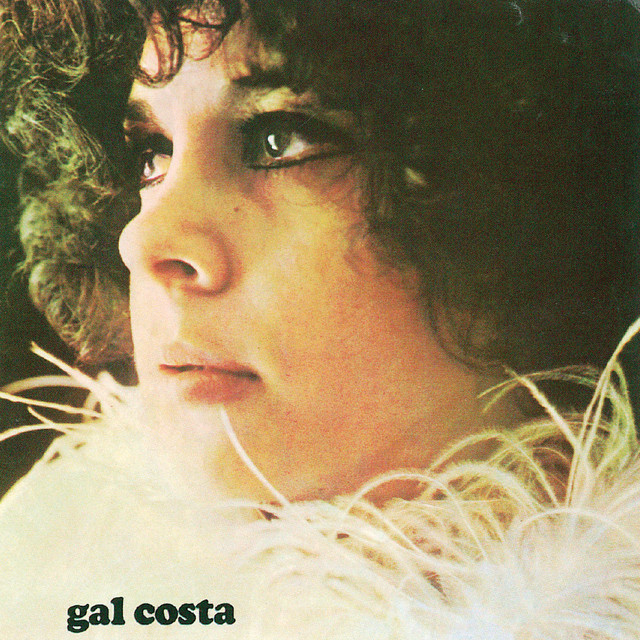
1969
Gal Costa
Gal Costa
Download our mobile app
Get the Melodigging app and start digging for new genres on the go
Download on the App Store
Get it on Google Play
© 2026 Melodigging
Give feedback
Legal
Melodding was created as a tribute to
Every Noise at Once
, which inspired us to help curious minds keep digging into music's ever-evolving genres.