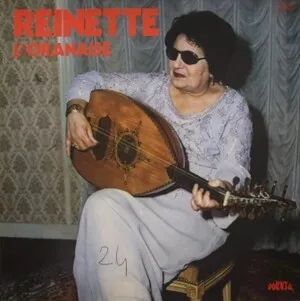
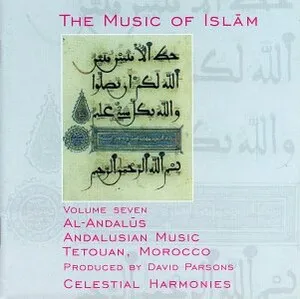
Andalusian classical (also called Andalusi music, al-âla in Morocco, gharnati in western Algeria, and malouf in Tunisia) is a suite-based Arab-Islamic art music that crystallized in medieval Al-Andalus and was later preserved and elaborated in the Maghreb. It is organized into long, multi-movement suites known as nūbas (nawba), each tied to a modal family (ṭabʿ) and a set of rhythmic cycles (mīzān).
The repertoire is built on strophic poetic forms such as the muwashshaḥ and zajal, set to finely ornamented, heterophonic textures. Core instruments include the ʿūd (lute), kamanja/violin (often held upright in Maghrebi practice), rebāb, qānūn, and ney, supported by frame drums (ṭār, bendir), goblet drum (darbuga), and riqq. Melodic practice uses maqām-like modal systems with microtonal intonation, rich melodic turns, and measured as well as non-metric improvisation (e.g., istikhbār).
Over centuries, urban scholarly lineages in Fez, Tlemcen, Algiers, Constantine, Tetouan, and Tunis codified distinct schools, preserving nūba cycles, modes, and performance conventions that continue to define the genre today.