Genres
Make Music
Artists
Albums
Challenges
Sign in
Sign in
Albums
By Ensemble Organum
Albums
By Ensemble Organum
Chant Mozarabe: Cathedrale de Tolède (XVe siècle)
June 12, 1995
Listen
2
/5
Genres
Spanish Classical Music
Spanish classical music refers to the art-music tradition created by composers active in Spain from the Renaissance to the present, encompassing sacred polyphony, court and theatrical genres, instrumental idioms for guitar and keyboard, and nationalist currents that elevate regional dance and song types. It is characterized by the coexistence of European common-practice techniques with distinctively Iberian colors: modal inflections (especially the Phrygian flavor), the Andalusian cadence, dance-derived rhythms (fandango, seguidilla, jota, bolero), and an idiomatic centrality of the guitar alongside choirs, keyboard, chamber, and orchestral forces. Across centuries, Spanish composers have contributed both to pan-European classical forms (mass, motet, sonata, concerto, symphony, opera) and to uniquely Spanish hybrids (zarzuela, tonadilla), while absorbing deep historical layers that include medieval chant, Renaissance polyphony, and interactions with Sephardic, Moorish/Andalusian, and folk–flamenco traditions.
Discover
Listen
Mozarabic Chant
Mozarabic chant (also called Old Hispanic or Visigothic chant) is a monophonic, unaccompanied liturgical repertory that served the Old Hispanic (Mozarabic) rite of Christian worship in medieval Iberia. It features free, speech‑like rhythm, modal melodic formulas, and a mix of syllabic, neumatic, and highly melismatic passages tailored to Latin liturgical prose and poetry. Its melodies were preserved in non‑staff neumes (Visigothic notation), which transmit contour and nuance but originally lacked precise pitch, making modern performance partly reconstructive. The sound is austere yet ornate, with solo cantors and a small schola alternating antiphons, psalm verses, and long responsories within a distinctive Iberian liturgical calendar and order.
Discover
Listen
Plainchant
Plainchant (cantus planus) is the monophonic, unaccompanied chant of the Western Christian liturgy. Sung in Latin (with occasional Greek), it uses modal scales rather than major–minor tonality and unfolds in flexible, speech-like rhythms shaped by the sacred text. Melodically, plainchant ranges from simple syllabic formulas for reciting psalms to ornate melismatic lines for processional and festal moments. It is performed in unison by a schola or congregation, often organized antiphonally or responsorially across the liturgical actions of the Mass and the Divine Office. Its austere sonority, modal color, and text-centered phrasing give it a contemplative, timeless quality.
Discover
Listen
Similar albums
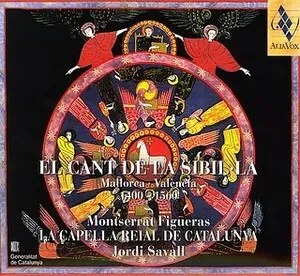
2004
El cant de la Sibil·la: Mallorca/València 1400–1560
[anonymous]
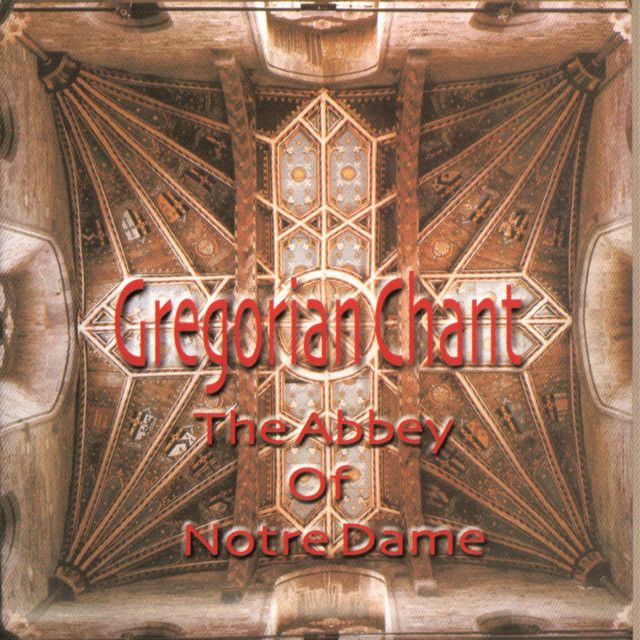
2001
Gregorian Chant
The Monks of Notre Dame
2014
Illumination: Peaceful Gregorian Chants
Dan Gibson & Daniel May
2006
Le chant des Templiers
Ensemble Organum / Marcel Pérès
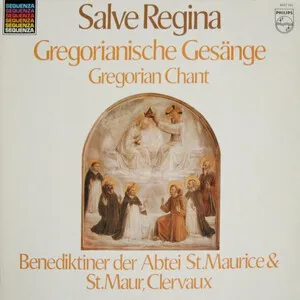
1960
Salve Regina: Gregorianische Gesänge - Gregorian Chant
Benediktiner der Abtei St. Maurice & St. Maur, Clervaux
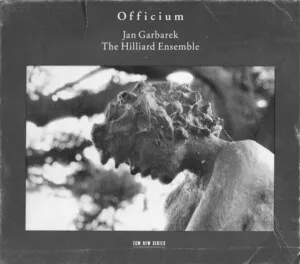
1994
Officium
Cristóbal de Morales, Jan Garbarek & The Hilliard Ensemble
1994
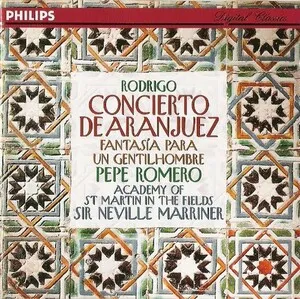
Concierto de Aranjuez; Fantasía para un gentilhombre
Joaquín Rodrigo
1960
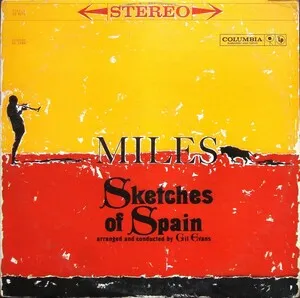
Sketches of Spain
Miles Davis
1998
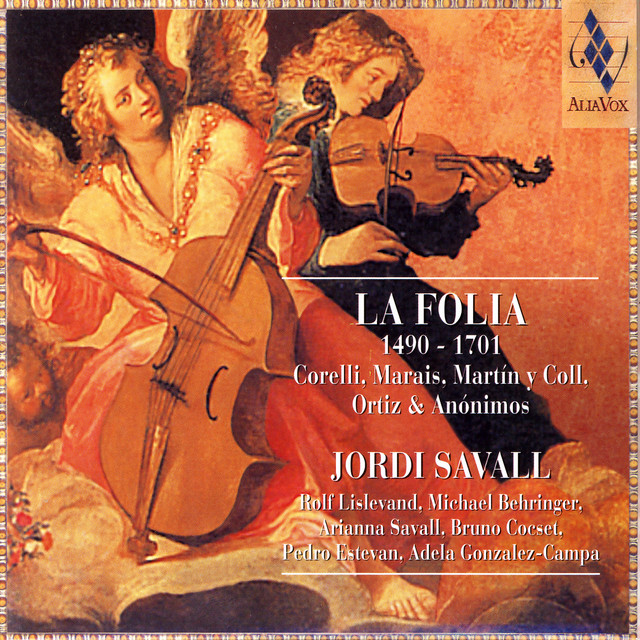
La folia 1490-1701
[anonymous]
2016
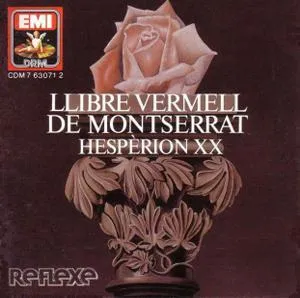
Llibre vermell de Montserrat
[anonymous] / Hespèrion XX
Download our mobile app
Get the Melodigging app and start digging for new genres on the go
Download on the App Store
Get it on Google Play
© 2026 Melodigging
Give feedback
Legal
Melodding was created as a tribute to
Every Noise at Once
, which inspired us to help curious minds keep digging into music's ever-evolving genres.