Genres
Make Music
Artists
Albums
Challenges
Sign in
Sign in
Albums
By Victor Jara
Albums
By Victor Jara
Canto por travesura
September 6, 1973
Listen
1
/5
Genres
Latin
Latin (as a genre label) is a broad umbrella used by the recording industry to categorize popular music rooted in Latin America, the Caribbean, and the Iberian world, often characterized by syncopated Afro-diasporic rhythms, dance-forward grooves, and lyrics primarily in Spanish or Portuguese. As a marketplace category that took shape in the mid-20th century United States, it gathers diverse traditions—Afro-Cuban, Brazilian, Mexican, and Caribbean styles—into a shared space. In practice, "Latin" spans everything from big-band mambo and bolero ballads to contemporary pop, rock, hip hop, and dance fusions produced by artists of Latin American heritage.
Discover
Listen
Folk
Folk is a song-centered acoustic tradition rooted in community storytelling, everyday life, and social history. It emphasizes clear melodies, simple harmonies, and lyrics that foreground narrative, protest, and personal testimony. As a modern recorded genre, folk coalesced in the early-to-mid 20th century in the United States out of older ballad, work song, and rural dance traditions. It typically features acoustic instruments (guitar, banjo, fiddle, mandolin, harmonica), strophic song forms, and participatory singing (choruses, call-and-response).
Discover
Listen
Chilean Music
Chilean music is an umbrella term for the diverse musical practices that developed in Chile, spanning rural folk traditions, urban popular music, and modern hybrid scenes. Its core pillars include the cueca (the national dance), the tonada chilena, and Andean-influenced folk, alongside later movements such as Nueva Canción Chilena, rock en español, cumbia chilena, indie pop/rock, hip hop, reggaetón, and experimental scenes. Forged at the crossroads of Indigenous (Mapuche and Andean), Iberian (Spanish folk and salon forms), and Afro-diasporic currents (via the zamacueca), Chilean music combines characteristic strummed guitars, the guitarrón chileno and paya traditions, Andean winds (quena, zampoña), cueca’s stamping rhythms and pandero hand drum, and poetic, socially conscious lyricism. In the 20th century it became a continental reference through Nueva Canción’s politically engaged songwriting and later through rock, pop, and urban genres that placed Chile on the global map.
Discover
Listen
Cueca
Cueca is a family of folk songs and partner dances from the Southern Cone, most strongly associated with Chile (where it is the official national dance) and with important regional variants in Bolivia and Argentina. Musically it features the characteristic 6/8–3/4 hemiola feel, often heard as a buoyant ternary groove that can shift perceived accents between 6/8 and 3/4. Traditional cuecas are sung in strophic form with refrains, and Chilean cueca texts are commonly organized into 14 lines (a composite stanza, typically parsed 4+7+3) that support the dance’s three-part cycle. Performances usually involve voice(s), guitar(s), accordion, handclaps (palmas), and light percussion such as bombo and the pandero cuequero, with couples circling and playfully courting one another with handkerchiefs.
Discover
Listen
Similar albums
2011
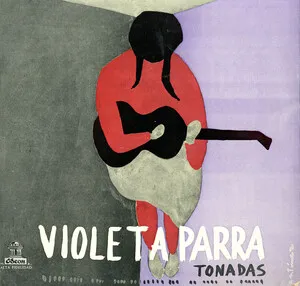
El folklore de Chile, Vol. IV: La tonada
Violeta Parra
2022
De todas las flores
Natalia Lafourcade
2019
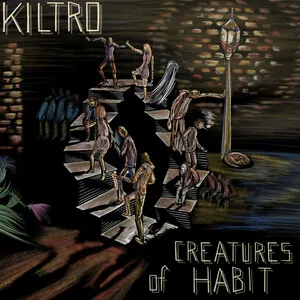
Creatures of Habit
Kiltro
2006
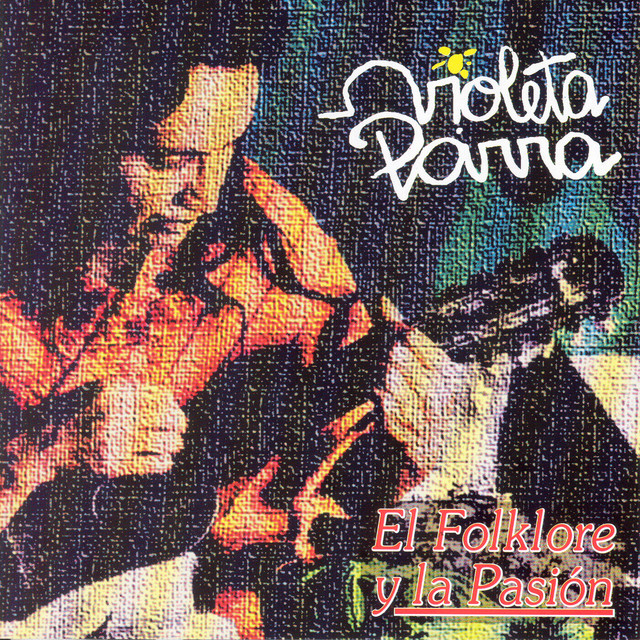
El Folklore Y La Pasión
Violeta Parra
1993
La Candela Viva
Totó La Momposina
1988
La pistola y el corazón
Los Lobos
2001
Canciones de la guerra civil española
Rolando Alarcón
2002
Concerto Al Andalus
Marcel Khalife
2023
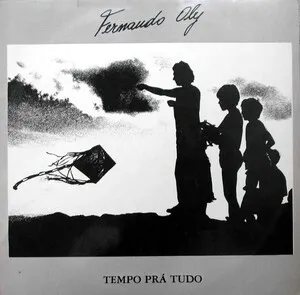
Tempo prá tudo
Fernando Oly
2018
100% Lúcidos
Macha y El Bloque Depresivo
Download our mobile app
Get the Melodigging app and start digging for new genres on the go
Download on the App Store
Get it on Google Play
© 2026 Melodigging
Give feedback
Legal
Melodding was created as a tribute to
Every Noise at Once
, which inspired us to help curious minds keep digging into music's ever-evolving genres.