Genres
Make Music
Artists
Albums
Challenges
Sign in
Sign in
Albums
By Macha Y El Bloque Depresivo
Albums
By Macha Y El Bloque Depresivo
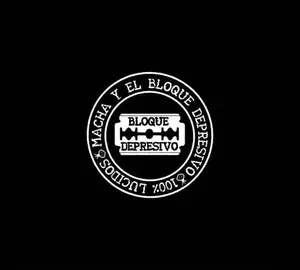
100% Lúcidos
October 5, 2018
Listen
1
/5
Genres
Canción Melódica
Canción melódica is a Spanish popular song tradition centered on emotive, melody-forward ballads delivered by powerful vocalists and framed by lush, orchestral arrangements. It is the Spanish counterpart to Europe’s mainstream schlager and the Italian canzone tradition, but with clear ties to Iberian styles and Latin romanticism. Characterized by dramatic vocal climaxes, key changes near the finale, and string-heavy, cinematic backdrops, the style privileges memorable melodies, heartfelt lyrics, and a polished, elegant sound. Its themes revolve around love, longing, heartbreak, and resilience, using poetic images and rhetorical flourishes to maximize emotional impact. The genre achieved mass popularity in Spain and the Spanish-speaking world from the late 1960s through the 1980s, and its repertoire remains a staple of television galas, festival circuits, and nostalgic revivals.
Discover
Listen
Música Cebolla
Música cebolla is a Chilean strain of hyper‑romantic popular music marked by intensely emotive vocals, melodramatic storytelling, and arrangements rooted in the bolero tradition. The nickname “cebolla” (onion) alludes to its tear‑jerking effect: songs dwell on heartbreak, abandonment, jealousy, and moral dilemmas of love, aiming for an immediate, visceral response. Musically, it favors slow to mid‑tempo bolero and ballad rhythms in 4/4, lush strings or organ pads, requinto or electric guitar arpeggios, and ornamental lead singing with vibrato, rubato, and portamento. While critics once dismissed it as kitsch, música cebolla has been reappraised as an authentic working‑class urban torch style that connects post‑war bolero with later Chilean romantic pop and “cumbia cebolla.”
Discover
Listen
Latin
Latin (as a genre label) is a broad umbrella used by the recording industry to categorize popular music rooted in Latin America, the Caribbean, and the Iberian world, often characterized by syncopated Afro-diasporic rhythms, dance-forward grooves, and lyrics primarily in Spanish or Portuguese. As a marketplace category that took shape in the mid-20th century United States, it gathers diverse traditions—Afro-Cuban, Brazilian, Mexican, and Caribbean styles—into a shared space. In practice, "Latin" spans everything from big-band mambo and bolero ballads to contemporary pop, rock, hip hop, and dance fusions produced by artists of Latin American heritage.
Discover
Listen
Vals Criollo
Vals criollo (Peruvian waltz) is the coastal Peruvian reinterpretation of the European waltz, played in 3/4 time but with distinctive Afro-Peruvian and Creole (criollo) phrasing, syncopation, and guitar-centric accompaniment. It is typically performed by voice and one or more nylon-string guitars, often supported by cajón, palmas (handclaps), and second voices, creating a warm, intimate salon or peña atmosphere. Melodies are lyrical and ornamented, harmonies draw on classical waltz cadences enriched with secondary dominants and chromatic passing chords, and lyrics dwell on love, nostalgia, neighborhood life in Lima, and the pride and melancholy of the criollo identity. Celebrated annually on Peru’s Día de la Canción Criolla (Oct 31), the genre is a central pillar of música criolla and one of Peru’s most emblematic urban song forms.
Discover
Listen
Chilean Music
Chilean music is an umbrella term for the diverse musical practices that developed in Chile, spanning rural folk traditions, urban popular music, and modern hybrid scenes. Its core pillars include the cueca (the national dance), the tonada chilena, and Andean-influenced folk, alongside later movements such as Nueva Canción Chilena, rock en español, cumbia chilena, indie pop/rock, hip hop, reggaetón, and experimental scenes. Forged at the crossroads of Indigenous (Mapuche and Andean), Iberian (Spanish folk and salon forms), and Afro-diasporic currents (via the zamacueca), Chilean music combines characteristic strummed guitars, the guitarrón chileno and paya traditions, Andean winds (quena, zampoña), cueca’s stamping rhythms and pandero hand drum, and poetic, socially conscious lyricism. In the 20th century it became a continental reference through Nueva Canción’s politically engaged songwriting and later through rock, pop, and urban genres that placed Chile on the global map.
Discover
Listen
Hispanic American Folk Music
Hispanic American folk music is the umbrella for traditional and community-rooted musical practices developed by Spanish-speaking and mixed-heritage (mestizo, Afro‑Latino, Indigenous) communities in the United States. It draws on borderlands traditions of the Southwest (Texas, New Mexico, California, Arizona), Caribbean diasporas (Puerto Rican and Cuban communities in New York and elsewhere), and later immigrant and transborder flows from Mexico and Central America. Stylistically, it blends narrative ballads (corridos), sacred hymnody (alabados), rural song forms (décimas, coplas), and social-dance repertoires (vals, polka, schottische, huapango). Core timbres include guitar families (requinto, bajo sexto, jarana), violin, harp, accordion, and voices in close parallel thirds. Themes often address migration, labor, love, devotion, identity, and social justice; lyrics frequently move fluidly between Spanish and English (and regionally inflected Spanglish), reflecting lived bilingual realities.
Discover
Listen
Bolero
Bolero is both a Spanish dance-music form from the late 18th century and, later, a Cuban song style from the late 19th century. The Spanish bolero emerged as a moderately slow solo or partner dance in 3/4 time, shaped by Andalusian song-dance traditions. It typically features guitar accompaniment and castanets, and its sung texts often follow the seguidilla stanza pattern. In Cuba, bolero evolved into a romantic ballad—most often in 2/4 (later also felt in 4/4)—performed by singers, trios, and salon ensembles. Cuban bolero emphasizes intimate, lyrical melodies, guitar-led accompaniment (often with requinto), and gentle Afro-Caribbean rhythmic undercurrents (habanera feel, soft bongo, claves), becoming one of Latin America’s quintessential love-song forms.
Discover
Listen
Peruvian Music
Peruvian music is a richly syncretic umbrella that blends Indigenous Andean traditions, Spanish/Iberian song and dance forms, and West/Central African rhythms and instruments brought during the colonial era. Across Peru’s diverse regions, coastal música criolla (e.g., valses and marinera) emphasizes guitars, intricate strumming, and poetic décimas; Afro‑Peruvian styles (festejo, landó) center on polyrhythms, call‑and‑response, and hallmark percussion such as the cajón, cajita, and quijada de burro; highland Andean genres (huayno, harawi, yaraví, huaylarsh) foreground quena and zampoña (siku) flutes, charango, harp, and pentatonic melodies; and the Amazon basin pioneered psychedelic/organ‑driven cumbia amazónica and later chicha—electrified hybrids that carry Andean melody into an urban dance setting. Performed in Spanish and Indigenous languages (Quechua, Aymara, and Amazonian tongues), Peruvian music moves between communal dance, ritual functions, and intimate song, balancing nostalgia and celebration with rhythmic vitality.
Discover
Listen
Hispanic Music
Hispanic music is an umbrella term for the diverse body of Spanish‑language musical traditions originating in Spain and evolving across the Hispanic world of Latin America and the Caribbean. It encompasses folk, sacred, classical, and popular forms, and today includes everything from flamenco and bolero to salsa, norteño, bachata, rock en español, and reggaetón. Historically, it reflects a multilayered synthesis: Iberian song and dance practices, Catholic liturgical and art‑music lineages, and deep contributions from Indigenous American and West/Central African musics forged during the colonial era. The result is a family of styles united by language but varied in rhythm, instrumentation, and aesthetics, often emphasizing danceable grooves, expressive vocals, and storytelling lyrics.
Discover
Listen
Similar albums
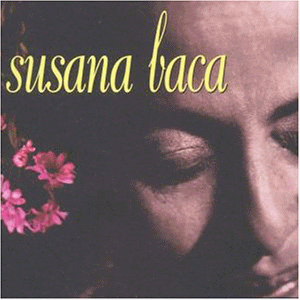
1997
Susana Baca
Susana Baca
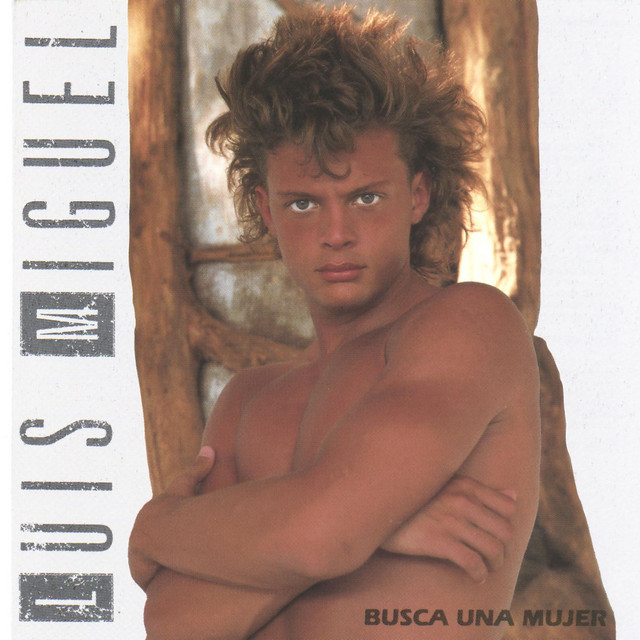
1988
Busca una mujer
Luis Miguel
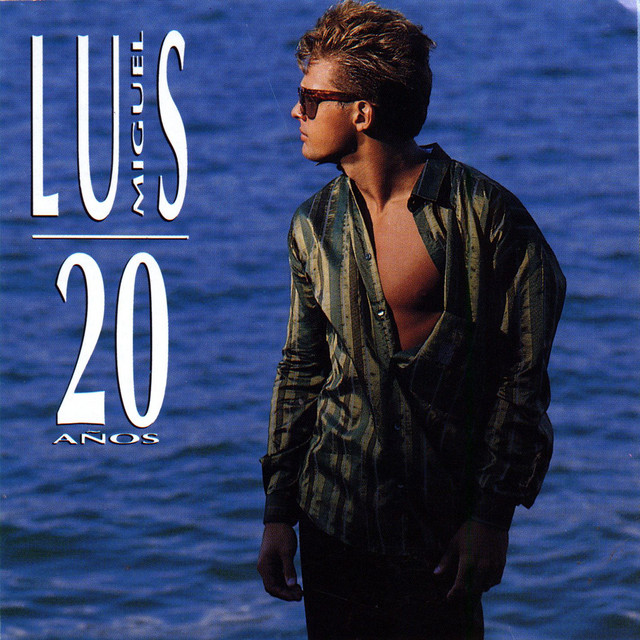
1990
20 años
Luis Miguel
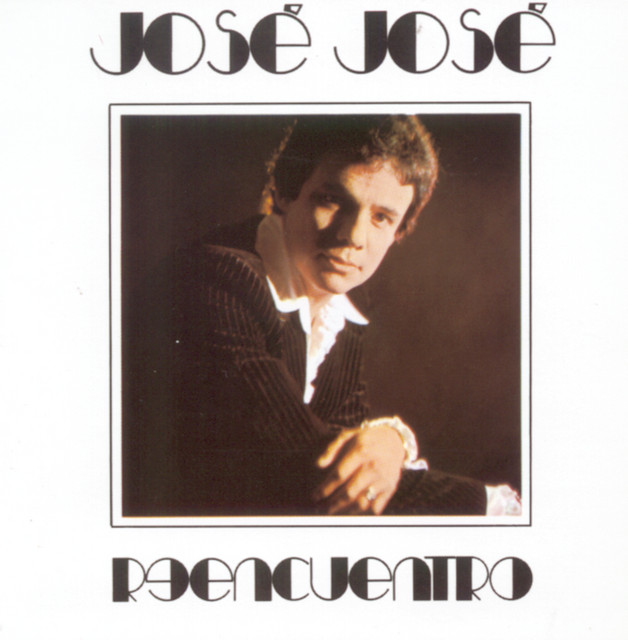
1977
Reencuentro
José José
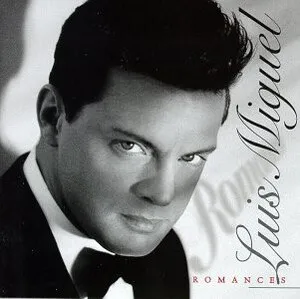
1997
Romances
Luis Miguel
1970
Y volveré
Los Angeles Negros
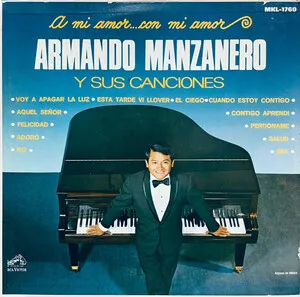
1967
A mi amor... con mi amor
Armando Manzanero
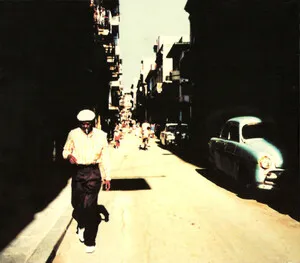
1997
Buena Vista Social Club
Buena Vista Social Club
2011
Toda Violeta Parra
Violeta Parra
2020
EL ÚLTIMO TOUR DEL MUNDO
Carrión, Eladio, Urba y Rome, Lyanno, Zion & Lennox, Balvin, J, Bad Bunny, Jowe…
Download our mobile app
Get the Melodigging app and start digging for new genres on the go
Download on the App Store
Get it on Google Play
© 2026 Melodigging
Give feedback
Legal
Melodding was created as a tribute to
Every Noise at Once
, which inspired us to help curious minds keep digging into music's ever-evolving genres.