Genres
Make Music
Artists
Albums
Challenges
Sign in
Sign in
Albums
By Rolando Alarcon
Albums
By Rolando Alarcon
Canciones de la guerra civil española
May 12, 2001
Listen
3
/5
Genres
Nueva Canción Española
Nueva canción española is the Spanish branch of the broader New Song movement that fused folk-rooted melodies with poetically charged, socially committed lyrics. Emerging under late Francoism, it used simple, guitar-led arrangements and regional languages (Castilian, Catalan, Basque, Galician) to express cultural identity and dissent. Stylistically it draws on Iberian folk and flamenco inflections, French and Italian songwriter traditions, and the global singer‑songwriter wave. The result is intimate, text-first songs that often set great poetry to music and turn concerts into collective acts of memory and resistance.
Discover
Listen
Nueva Canción Chilena
Nueva canción chilena is a socially engaged song movement that arose in Chile in the 1960s, blending traditional Chilean and Andean folk idioms with contemporary, often left-leaning political and poetic lyrics. Musically it draws on cueca, tonada, huayno, and carnavalito grooves and timbres, foregrounding acoustic textures such as charango, quena, zampoña, guitar, and bombo legüero. Vocals are central—solo or choral—with clear, story-driven delivery. The result is a repertoire that feels both rooted in the rural and indigenous past and urgently modern in its message. Beyond its aesthetics, the genre functioned as a cultural movement: it organized peñas (folk venues), independent labels, and collective ensembles to channel popular demands for social justice, workers’ rights, and national identity. Its songs became anthems of solidarity across Latin America and the world.
Discover
Listen
Nueva Canción Latinoamericana
Nueva canción latinoamericana is a socially engaged song movement that revitalized Latin American folk traditions to address contemporary political and cultural realities. It blends rural and indigenous folk rhythms with modern, singer‑songwriter poetry, using acoustic instruments such as guitar, charango, quena, and bombo legüero. Lyrics foreground social justice, anti‑imperialism, labor struggle, indigenous rights, and national identity, often delivered in clear, declamatory melodies that invite communal singing. The result is music that is both rooted in local traditions and explicitly modern in its political consciousness.
Discover
Listen
Nueva Canción
Nueva canción is a Latin American song movement that emerged in the 1960s, blending traditional folk forms with contemporary, socially engaged songwriting. It foregrounds poetic, politically conscious lyrics that address social justice, labor, indigenous rights, anti-imperialism, and everyday dignity. Musically, it draws on Andean and Southern Cone folk idioms—such as cueca, zamba, and chacarera—alongside pan-Latin ballad traditions. Typical instrumentation includes nylon-string guitar, charango, quena and zampoña (panpipes), bombo legüero, and rich vocal harmonies, often arranged for ensembles. The style’s melodic language favors modal inflections and singable, anthemic choruses designed for communal participation. While it became a continent-wide phenomenon, Chilean artists were especially pivotal in shaping its aesthetics and political ethos, with the movement later radiating into Argentina, Uruguay, and Spain.
Discover
Listen
Latin
Latin (as a genre label) is a broad umbrella used by the recording industry to categorize popular music rooted in Latin America, the Caribbean, and the Iberian world, often characterized by syncopated Afro-diasporic rhythms, dance-forward grooves, and lyrics primarily in Spanish or Portuguese. As a marketplace category that took shape in the mid-20th century United States, it gathers diverse traditions—Afro-Cuban, Brazilian, Mexican, and Caribbean styles—into a shared space. In practice, "Latin" spans everything from big-band mambo and bolero ballads to contemporary pop, rock, hip hop, and dance fusions produced by artists of Latin American heritage.
Discover
Listen
Chilean Music
Chilean music is an umbrella term for the diverse musical practices that developed in Chile, spanning rural folk traditions, urban popular music, and modern hybrid scenes. Its core pillars include the cueca (the national dance), the tonada chilena, and Andean-influenced folk, alongside later movements such as Nueva Canción Chilena, rock en español, cumbia chilena, indie pop/rock, hip hop, reggaetón, and experimental scenes. Forged at the crossroads of Indigenous (Mapuche and Andean), Iberian (Spanish folk and salon forms), and Afro-diasporic currents (via the zamacueca), Chilean music combines characteristic strummed guitars, the guitarrón chileno and paya traditions, Andean winds (quena, zampoña), cueca’s stamping rhythms and pandero hand drum, and poetic, socially conscious lyricism. In the 20th century it became a continental reference through Nueva Canción’s politically engaged songwriting and later through rock, pop, and urban genres that placed Chile on the global map.
Discover
Listen
Spanish Music
Spanish music is an umbrella term for the diverse musical traditions and popular styles that originate in Spain. It spans folkloric and regional idioms (such as flamenco, sevillanas, jota, and Galician, Basque, and Catalan song), urban popular genres (copla, pasodoble, pop, rock), and a rich classical tradition (zarzuela and concert music) shaped by Iberian history. Its sound world is marked by the legacy of Al‑Andalus and the Mediterranean: modal melodies (especially the Phrygian/"Andalusian" color), melismatic singing, intricate clapping (palmas), expressive guitar techniques, castanets, and dance-driven rhythms. At the same time, Spain’s sacred and courtly repertoires (medieval chant, Renaissance and Baroque polyphony) underpin a broader art‑music lineage that culminates in national classical styles of the 19th and 20th centuries. Today the term covers both heritage practices (flamenco cante jondo, regional dances) and contemporary fusions (flamenco pop/urbano, indie, and rock), reflecting Spain’s multilingual cultures and ongoing dialogue with Europe, the Mediterranean, and Latin America.
Discover
Listen
Iberian Music
Iberian music is an umbrella term for the intertwined musical traditions of Spain and Portugal, shaped over centuries by Mediterranean, North African, and European currents. It spans sacred chant and courtly song, rural dance traditions, fado and flamenco, art music inspired by folk idioms, and contemporary fusions. At its core are distinctive rhythmic cycles (such as flamenco compás), modal colors (notably the Phrygian cadence and Hijaz-like inflections), and poetic themes ranging from duende’s raw intensity to fado’s saudade. Guitars (Spanish and Portuguese), clapping (palmas), cajón, castanets, and regional instruments (gaita galega, bandurria, Portuguese guitarra) are central timbral markers. As a cultural matrix rather than a single style, Iberian music both preserves local identities—Andalusian, Galician, Catalan, Alentejano—and continually reinvents itself in dialogue with classical composition, jazz, rock, and electronic music.
Discover
Listen
Similar albums
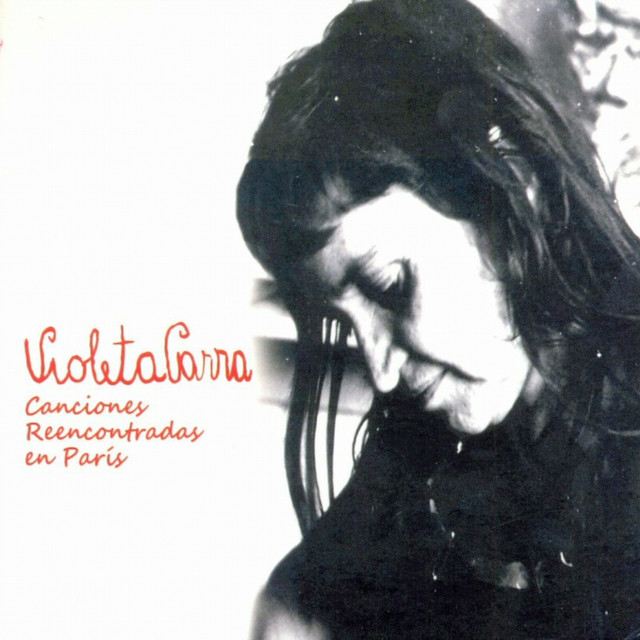
2011
Canciones reencontradas en París
Violeta Parra
1968
Canciones folklóricas de América
Víctor Jara & Quilapayún
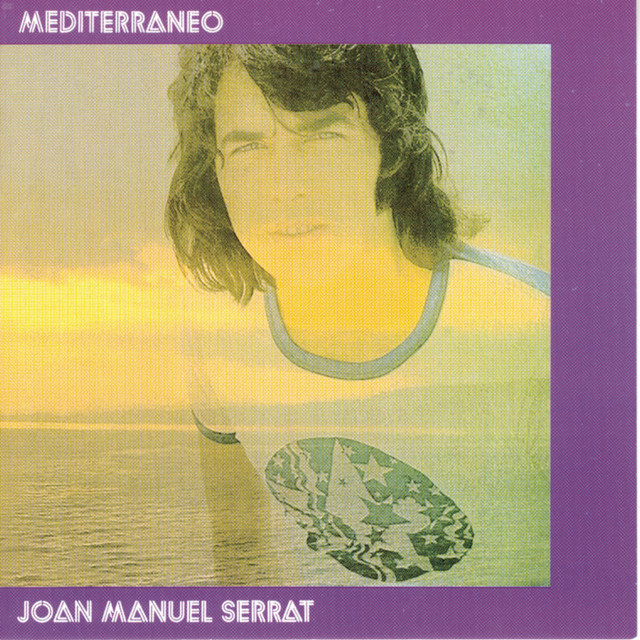
1971
Mediterráneo
Joan Manuel Serrat
1971
El derecho de vivir en paz
Víctor Jara
1969
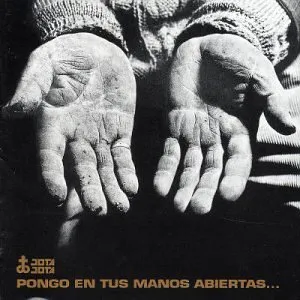
Pongo en tus manos abiertas...
Víctor Jara
1972
Miguel Hernández
Joan Manuel Serrat
1966
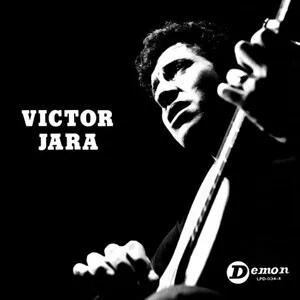
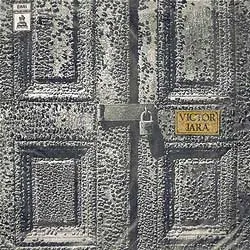
Víctor Jara
Víctor Jara
1972
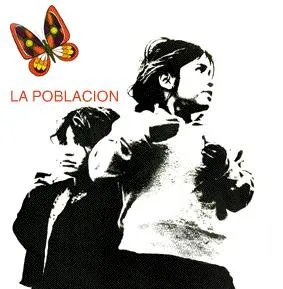
La población
Víctor Jara
1970
Canto libre
Víctor Jara
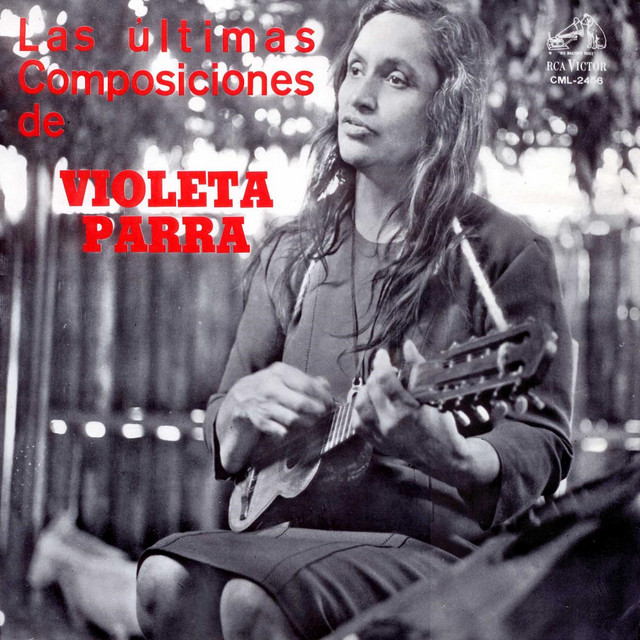
2023
Las últimas composiciones de Violeta Parra
Violeta Parra
Download our mobile app
Get the Melodigging app and start digging for new genres on the go
Download on the App Store
Get it on Google Play
© 2026 Melodigging
Give feedback
Legal
Melodding was created as a tribute to
Every Noise at Once
, which inspired us to help curious minds keep digging into music's ever-evolving genres.