Genres
Make Music
Artists
Albums
Challenges
Sign in
Sign in
Albums
By The Kossoy Sisters
Albums
By The Kossoy Sisters
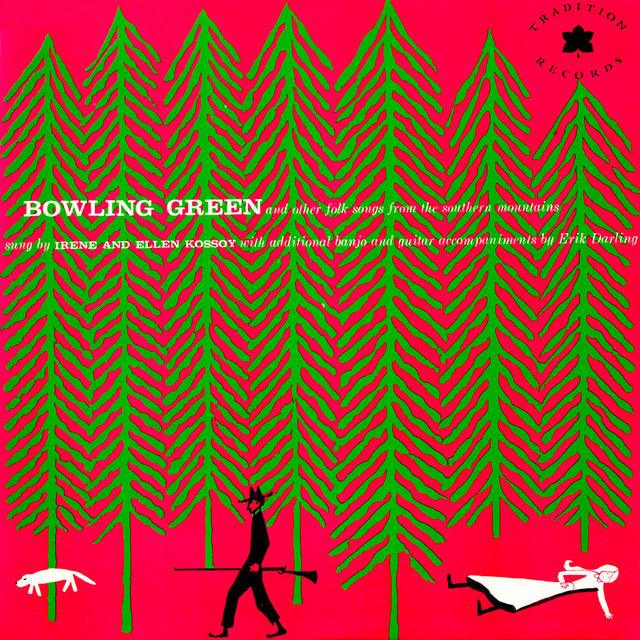
Bowling Green and Other Folk Songs From the Southern Mountains
August 19, 1956
Listen
3
/5
Genres
Close Harmony
Close harmony (in the traditional country sense) is a duet style built on two voices singing in tight intervals—often thirds and sixths—so that the parts sit “close” within a narrow span, usually less than an octave. In country music, it became synonymous with brother duets: sibling pairs who sang in parallel or counter‑motion with nearly identical timbres, producing a seamless vocal blend. Typical accompaniment is sparse—most often one or two acoustic guitars, sometimes mandolin or fiddle—so the intertwined voices remain the focal point. The approach emphasizes direct, homespun storytelling about love, faith, rural life, and moral trials, drawing strongly from old‑time, gospel, shape‑note traditions, and barbershop, but rendered with a country lilt and back‑porch immediacy.
Discover
Listen
Traditional Country
Traditional country is a roots-oriented branch of country music that preserves the acoustic timbres, plainspoken storytelling, and danceable rhythms of early "hillbilly" and honky-tonk styles. It favors fiddles, acoustic and steel guitars, upright bass, and modest percussion, with melodies and harmonies grounded in Anglo-American folk, gospel, and blues. Songs typically revolve around everyday life—love, heartbreak, faith, work, and small-town or rural experience—delivered with an unadorned, emotive vocal style. As a practice and ethos, traditional country resists pop sheen and elaborate production, emphasizing live ensemble interplay, two-step and waltz feels, and concise verse–chorus forms. Its sound is closely associated with the Grand Ole Opry era, barn-dance radio, and mid‑century jukebox honky-tonks.
Discover
Listen
Country
Country is a roots-based popular music from the rural American South that blends Anglo-Celtic ballad traditions with African American blues, gospel, and string-band dance music. It is characterized by narrative songwriting, plainspoken vocals with regional twang, and a palette of acoustic and electric instruments such as acoustic guitar, fiddle, banjo, pedal steel, and telecaster guitar. Rhythmically it favors two-step feels, train beats, shuffles, and waltzes, while harmony is largely diatonic (I–IV–V) with occasional country chromaticism and secondary dominants. Across a century, country has evolved through substyles like honky-tonk, the Nashville and Bakersfield sounds, outlaw country, neotraditionalist revivals, pop-country, and country-rap hybrids, but it consistently prioritizes storytelling about everyday life, love, work, faith, place, and identity.
Discover
Listen
American Folk Music
American folk music is a broad family of traditional and vernacular musics that developed in the United States from the 19th century onward, drawing on British Isles balladry, African American spirituals and work songs, Native American traditions, and frontier songs. It is typically acoustic, emphasizing voice and narrative over virtuoso display. Common instruments include acoustic guitar, banjo, fiddle, harmonica, mandolin, dulcimer, and upright bass. Forms are often strophic with repeated refrains, and melodies frequently use pentatonic or modal scales (Mixolydian, Dorian). Lyrical themes range from love, labor, faith, migration, and rural life to topical protest and social justice. Regional styles—such as Appalachian ballads and string-band music, cowboy songs of the West, maritime shanties of New England, Cajun and Creole influences in Louisiana, and Midwestern and Southwestern dance tunes—sit under the umbrella of American folk, which later fed revivals and singer‑songwriter traditions.
Discover
Listen
Appalachian Folk
Appalachian folk is a traditional music of the Appalachian Mountains in the eastern United States, shaped by Scots-Irish and English balladry, African American musical practices (especially the banjo and work songs), and sacred singing traditions. It centers on narrative ballads, dance tunes (reels, breakdowns, waltzes), and hymns, typically performed with fiddle, clawhammer banjo, voice, guitar, Appalachian dulcimer, and sometimes autoharp or mandolin. Melodies often use modal scales (Dorian, Mixolydian, Aeolian) and pentatonic figures, with strong rhythmic drive for square dances and flatfooting, as well as unaccompanied or sparsely accompanied ballads. The style is both communal and intimate—suitable for porches, kitchen gatherings, church singings, and dance halls—and it has been a major foundation for later American roots genres like old-time, bluegrass, country, and Americana.
Discover
Listen
Similar albums
1963
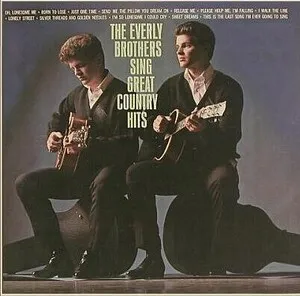
Sing Great Country Hits
The Everly Brothers
1935
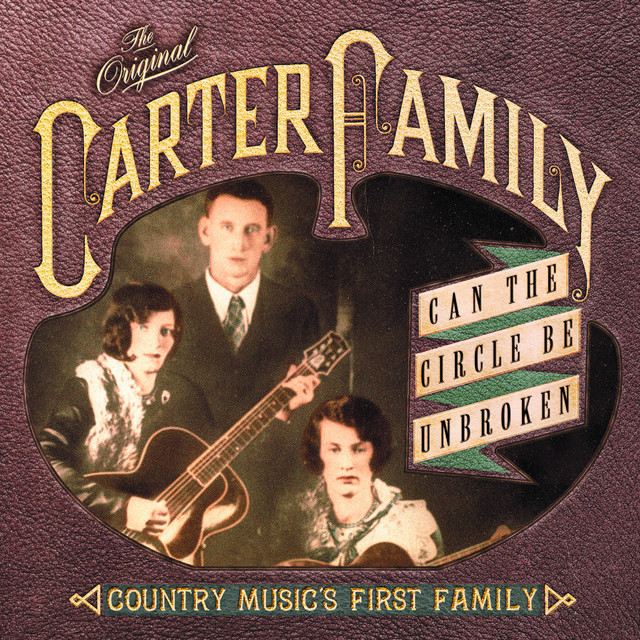
Can The Circle Be Unbroken: Country Music's First Family
The Carter Family
1960
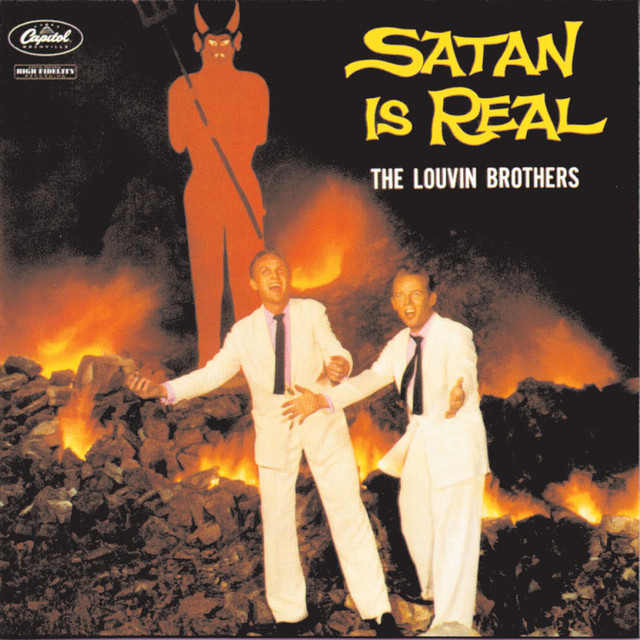
Satan Is Real
The Louvin Brothers
2010
Same Train, a Different Time: Merle Haggard Sings the Great Songs of Jimmie Rodgers
Merle Haggard
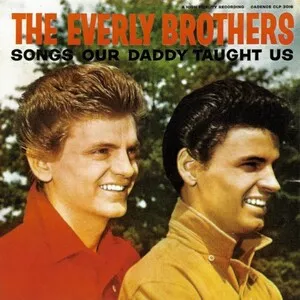
1958
Songs Our Daddy Taught Us
The Everly Brothers
1968
Roots
The Everly Brothers
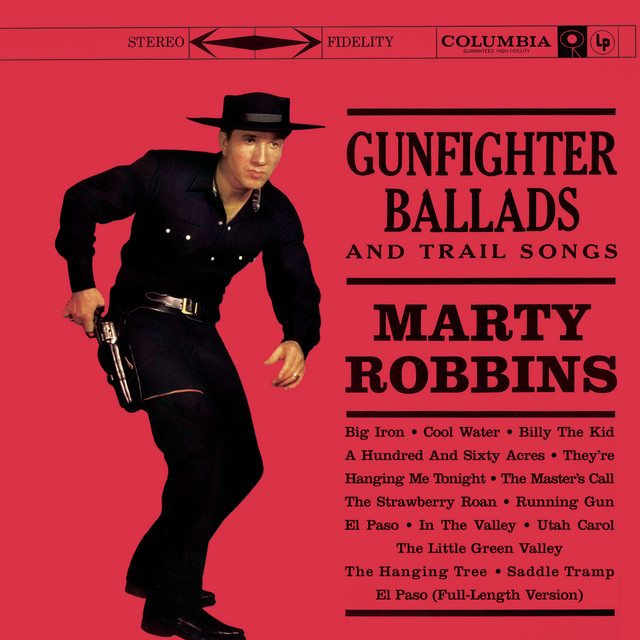
1959
Gunfighter Ballads and Trail Songs
Marty Robbins
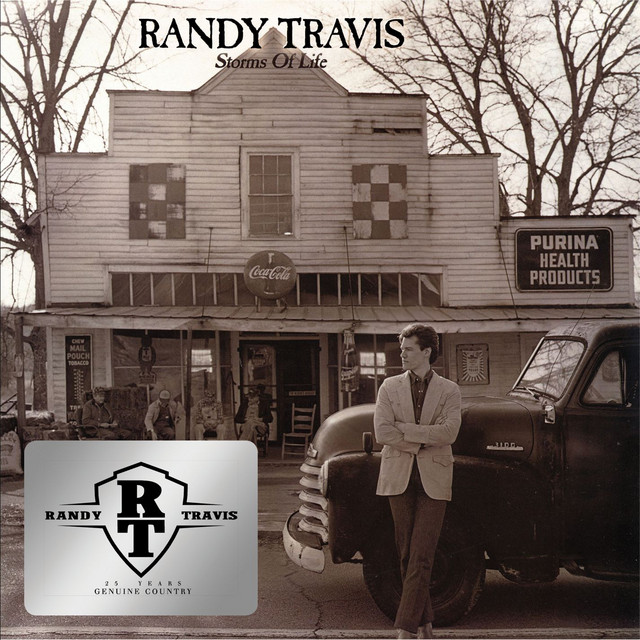
1986
Storms of Life
Randy Travis
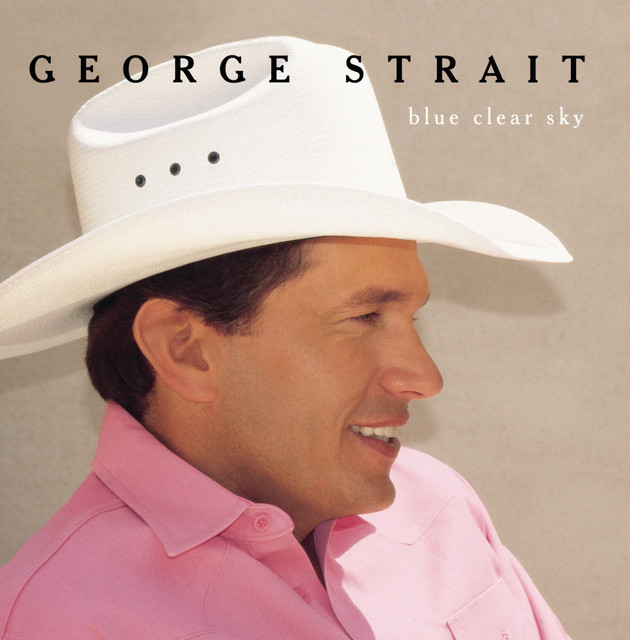
1996
Blue Clear Sky
George Strait
2019
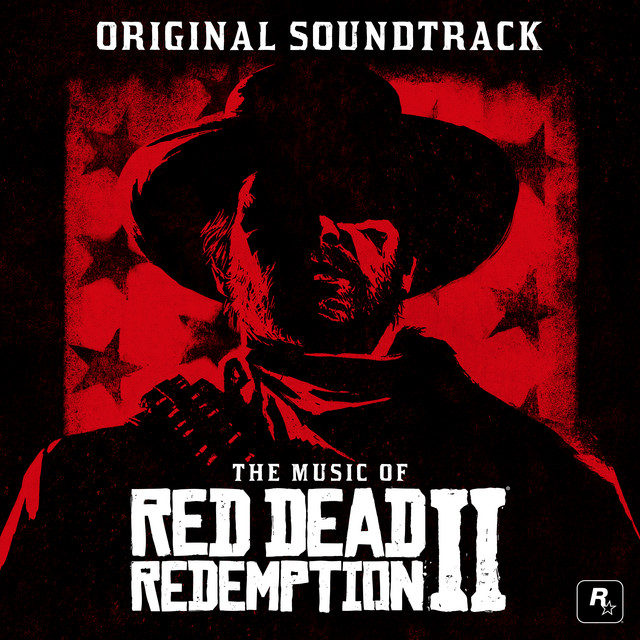
The Music of Red Dead Redemption 2 (Original Soundtrack)
Rhiannon Giddens
Download our mobile app
Get the Melodigging app and start digging for new genres on the go
Download on the App Store
Get it on Google Play
© 2026 Melodigging
Give feedback
Legal
Melodding was created as a tribute to
Every Noise at Once
, which inspired us to help curious minds keep digging into music's ever-evolving genres.