Genres
Artists
Albums
Make Music
Sign in
Sign in
Albums
By Giuseppe Verdi
Albums
By Giuseppe Verdi
Aida
1986
Listen
Genres
Grand Opera
Grand opera is a monumental 19th‑century French operatic form defined by large forces, spectacular staging, and serious historical or religious subjects. Typically laid out in five acts, it features extensive choruses, virtuosic arias and ensembles, full ballet sequences (the obligatory "divertissement"), and elaborate scenic effects that turn political and moral conflicts into public spectacle. Musically, grand opera expands the Romantic orchestra, favors accompanied recitative over secco dialogue, and uses coloristic orchestration, on‑ and off‑stage bands, and crowd scenes to heighten dramaturgy. It emerged at the Paris Opéra (Académie Royale/Impériale) in the late 1820s–1830s through works by Auber, Meyerbeer, and Halévy, and quickly became an international template for large‑scale operatic production.
Discover
Listen
Classical Baritone
Classical baritone refers to the tradition of composing for and performing with the baritone male voice in Western classical music, spanning opera, art song (Lied), oratorio, and sacred repertoire. The baritone sits between tenor and bass, typically ranging from A2 to F4 (with role- and singer-dependent extensions). Its timbre is prized for warmth, nobility, and dramatic weight, making it ideal for heroes, anti-heroes, fathers, kings, and complex psychological roles in opera, as well as for intimate poetic expression in recital. The category solidified in the early 19th century with bel canto and Romantic opera, and has since developed into subtypes (lyric, Kavalierbariton, Verdi baritone, dramatic, and bass-baritone), each with distinct tessitura, color, and technical demands.
Discover
Listen
Classical Mezzo-Soprano
Classical mezzo-soprano is a repertoire-centered category within Western classical music written for the mezzo-soprano voice—typically ranging roughly from G3/A3 to B5/C6, with a warm, darker timbre and a central tessitura lower than that of the soprano. It encompasses operatic arias (including trouser roles and dramatic character parts), oratorio and sacred solos (e.g., alto/mezzo lines), and art songs (Lieder, mélodie, canzone) that favor a rich middle register, expressive legato, and nuanced text delivery. Across the 19th and 20th centuries, composers standardized voice types (Fächer) in opera houses, and the mezzo-soprano emerged distinctly between soprano and contralto, prized for flexibility (from agile coloratura to dramatic declamation) and a characterful, burnished sound. Today, the tag “classical mezzo-soprano” covers historical and contemporary recordings of operas, oratorios, and song cycles featuring mezzo-soprano soloists, plus concert works written with that specific tessitura in mind.
Discover
Listen
Similar albums
1974
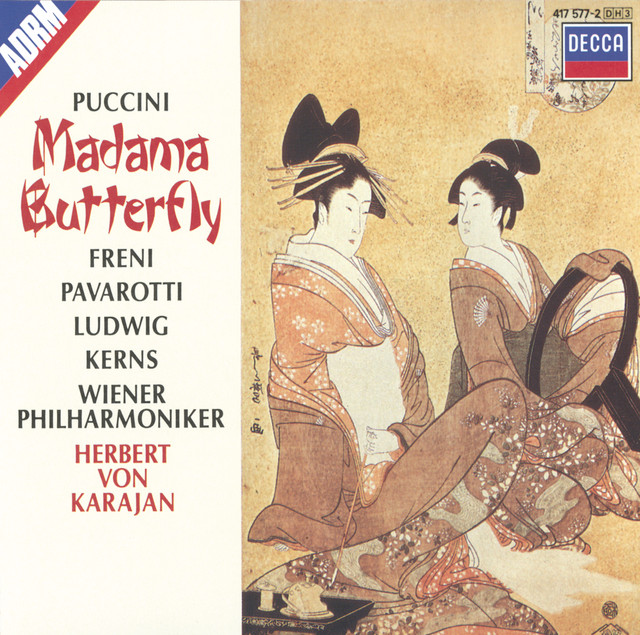
Madama Butterfly
Giacomo Puccini
2004
Le nozze di Figaro
Wolfgang Amadeus Mozart
2013
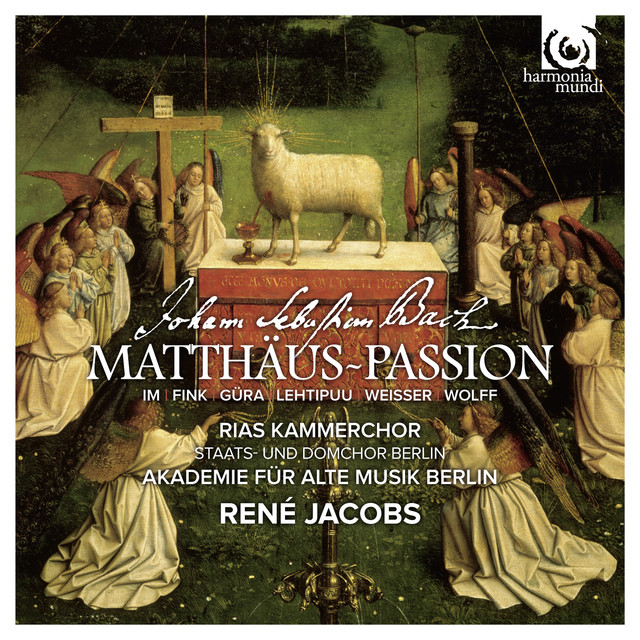
Matthäus-Passion
Johann Sebastian Bach
1991
Faust
Charles Gounod
1982
Le nozze di Figaro
Wolfgang Amadeus Mozart
2002
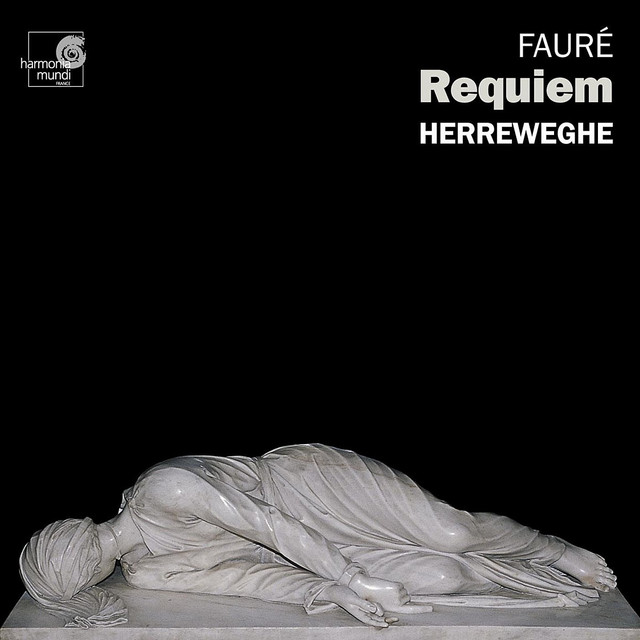
Requiem
Gabriel Fauré / César Franck
1976
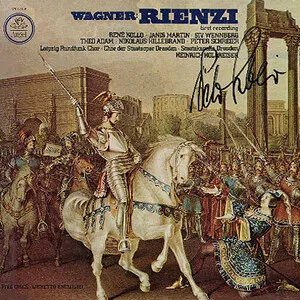
Rienzi
Richard Wagner
1994
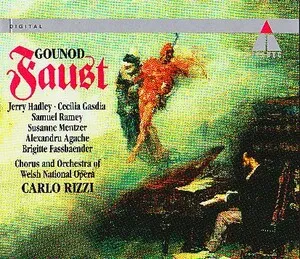
Faust
Charles Gounod
1991
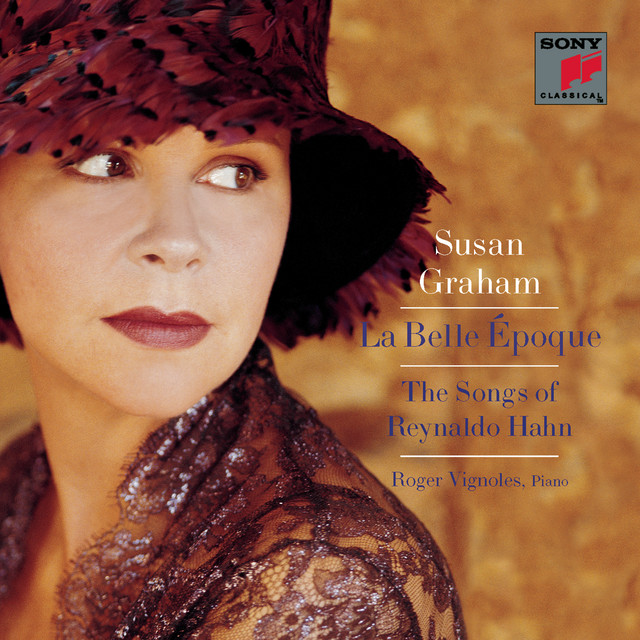
La belle époque: The Songs of Reynaldo Hahn
Reynaldo Hahn / Susan Graham / Roger Vignoles
2001
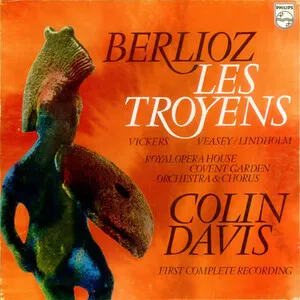
Les Troyens
Hector Berlioz
Download our mobile app
Get the Melodigging app and start digging for new genres on the go
Download on the App Store
Get it on Google Play
© 2026 Melodigging
Give feedback
Legal
Melodding was created as a tribute to
Every Noise at Once
, which inspired us to help curious minds keep digging into music's ever-evolving genres.