Genres
Artists
Albums
Make Music
Sign in
Sign in
Record label
1631 Recordings
Sweden
Related genres
Ambient
Ambient is a form of electronic and electroacoustic music that prioritizes tone, atmosphere, and texture over conventional song structures and rhythmic drive. It typically features slow-moving harmonies, sustained drones, gentle timbral shifts, and extensive use of space and silence. Rather than drawing attention to itself through hooks or beats, ambient is designed to be as ignorable as it is interesting, rewarding both background listening and focused immersion. Artists often employ synthesizers, samplers, tape loops, field recordings, and subtle acoustic instruments, with reverb and delay creating a sense of place. Substyles range from luminous, consonant soundscapes to darker, more dissonant atmospheres.
Discover
Listen
Classical
Classical music is the notated art-music tradition of Europe and its global descendants, characterized by durable forms, carefully codified harmony and counterpoint, and a literate score-based practice. The term “classical” can refer broadly to the entire Western art-music lineage from the Medieval era to today, not just the Classical period (c. 1750s–1820s). It privileges long-form structures (such as symphonies, sonatas, concertos, masses, and operas), functional or modal harmony, thematic development, and timbral nuance across ensembles ranging from solo instruments to full orchestras and choirs. Across centuries, the style evolved from chant and modal polyphony to tonal harmony, and later to post-tonal idioms, while maintaining a shared emphasis on written notation, performance practice, and craft.
Discover
Listen
Contemporary Classical
Contemporary classical is the broad field of Western art music created after World War II. It embraces an array of aesthetics—from serialism and indeterminacy to minimalism, spectralism, electroacoustic practices, and post‑tonal lyricism—while retaining a concern for notated composition and timbral innovation. Unlike the unified styles of earlier eras, contemporary classical is pluralistic. Composers freely mix acoustic and electronic sound, expand instrumental techniques, adopt non‑Western tuning and rhythm, and explore new forms, from process-based structures to open and graphic scores. The result is a music that can be rigorously complex or radically simple, technologically experimental or intimately acoustic, yet consistently focused on extending how musical time, timbre, and form can be shaped.
Discover
Listen
Instrumental
Instrumental is music created and performed without sung lyrics, placing the expressive weight on melody, rhythm, harmony, and timbre produced by instruments. As an umbrella practice it appears in many cultures, but its modern identity cohered in Baroque-era Europe when purely instrumental forms such as the sonata, concerto, and dance suites began to flourish. Since then, instrumental thinking—developing motives, structuring form without text, and showcasing timbral contrast—has informed everything from orchestral music and solo piano repertoire to post-rock, film scores, and beat-driven electronic styles. Instrumental works can be intimate (solo or chamber) or expansive (full orchestra), narrative (programmatic) or abstract (absolute music). The absence of lyrics invites listeners to project imagery and emotion, making the style a natural fit for cinema, games, and contemplative listening.
Discover
Listen
Post-Classical
Post-classical is a contemporary strand of composition that merges the timbres and techniques of Western classical music (piano, strings, chamber ensembles) with ambient sound design, subtle electronics, and minimalist repetition. Rather than foregrounding virtuosic complexity, it emphasizes texture, mood, and gradual development, often using felt piano, close-mic'd strings, tape hiss, and analog warmth. Motifs repeat and evolve slowly, borrowing from minimalism and post-minimalism while embracing studio-as-instrument production practices from electronic and ambient music. The result is intimate, cinematic pieces that sit comfortably between concert hall and headphone listening, equally at home in albums, films, series, and galleries.
Discover
Listen
Modern Classical
Modern classical is a contemporary strand of instrumental music that applies classical composition techniques to intimate, cinematic settings. It typically foregrounds piano and strings, is sparsely orchestrated, and embraces ambience, repetition, and timbral detail. Rather than the academic modernism of the early 20th century, modern classical as used today refers to accessible, mood-driven works that sit between classical, ambient, and film music. Felt pianos, close‑miked string quartets, tape hiss, drones, soft electronics, and minimal harmonic movement are common, producing a contemplative, emotionally direct sound that translates well to headphones, streaming playlists, and screen media.
Discover
Listen
Cello
Cello as a genre centers musical works and performances where the violoncello is the primary voice, spanning solo repertoire, chamber settings, and orchestral features. The instrument’s lyrical baritone range (from a deep C2 to a singing C6 and beyond in harmonics) allows it to cover melody, inner voices, and bass lines with equal authority. In this genre, idiomatic bowing (legato, spiccato, martelé), coloristic techniques (sul tasto, sul ponticello), and expressive vibrato shape phrases that often feel vocal in character. While rooted in Western classical traditions, modern cello practice also extends into film music, contemporary classical, and crossover settings, emphasizing intimacy, resonance, and storytelling.
Discover
Listen
Violin
“Violin” as a genre tag refers to violin‑centric music, typically spotlighting the instrument as a solo voice or principal melodic carrier across classical, chamber, and modern concert traditions. It encompasses solo works (sonatas, partitas, caprices), concertos with orchestra, chamber settings (duos with piano, trios, quartets), and contemporary pieces that extend the instrument’s timbral palette. Characteristic features include lyrical cantabile lines, virtuosic passagework, double‑stops and chords, harmonics, pizzicato (including left‑hand), scordatura tuning in select works, and expressive bow articulations. While rooted in European art music, violin repertoire has influenced a wide array of later styles and crossovers, from modern classical and film music to symphonic rock/metal and chamber‑inflected pop and folk.
Discover
Listen
Albums
Mountains
Sten Erland Hermundstad
Sixteen Songs - Volume One
Various Artists
Nils Has a New Piano
Nils Frahm
Vakuum
Lyrae
88 Keys
小瀬村晶
Waiting for You to Die
Theo Alexander
Over Now
Hiroco.M
June
Garreth Broke
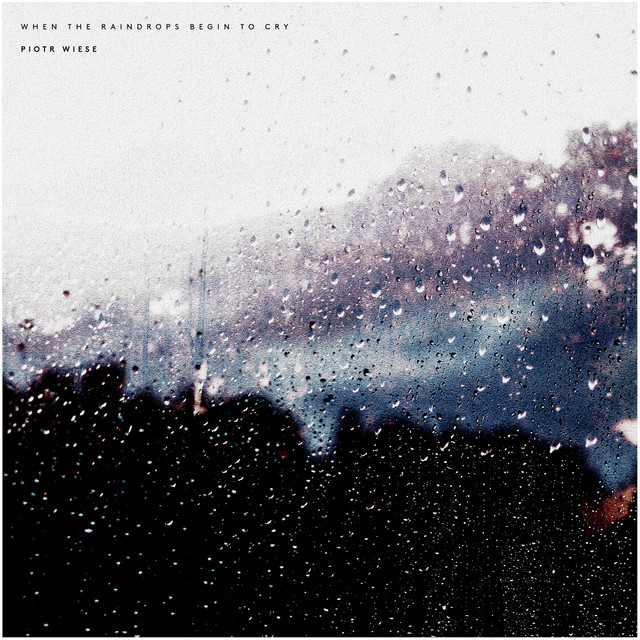
When the Raindrops Begin to Cry
Piotr Wiese
Reflections on a Dead Sea
Danny Mulhern & London Contemporary Orchestra
Show more
Artists
Nils Frahm
Tim Linghaus
Fabrizio Paterlini
Dario Crisman
Carlos Cipa
Hauschka
Mike Lazarev
Akira Kosemura
Bruno Bavota
Cinthya Garcia
Luke Howard
Library Tapes
Dustin O'Halloran
Luis Berra
Sophie Hutchings
Balmorhea
Iskra String Quartet
Hoshiko Yamane
Itoko Toma
Hiroco.M
Wilson Trouvé
Michael Price
Christopher Dicker
Olivia Belli
Olan Mill
Kyle McEvoy
Tristan Eckerson
Angus MacRae
Anna Rose Carter
Theo Alexander
Hior Chronik
Garreth Broke
Various Artists
Endless Melancholy
Julia Kent
Cameron Segal
Jonas Hoffmann
Western Skies Motel
CEEYS
Bruno Sanfilippo
Richard Luke
Sten Erland Hermundstad
Lyrae
Danny Mulhern
Kinbrae
The Iona Room
Nil Ciuró
ONSOHO
Michael A. Muller
Outer
Anne Lovett
Gabriela Parra
Lucy Claire
Jakob Lindhagen
Marco Caricola
Affinity88
Henri Bentley
Gravity Sleeps
Nel Swerts
Lemos
Patrick Hamilton
Michael Frankenberger
Josh Kramer
Amira Bowden
Anoice
A. Blomqvist
Piano Melancolía
Oskar Schuster
East Forest
Piotr Wiese
Wil Bolton
Alex Kozobolis
Jozef De Schutter
Sarah Spring
antinode
Jackson Love
Samuel Félix
Polly Carter
London Contemporary Orchestra
Matti Bye
Alex Lucas
Franco Robert
Erinome
David Wenngren
Download our mobile app
Get the Melodigging app and start digging for new genres on the go
Download on the App Store
Get it on Google Play
© 2026 Melodigging
Give feedback
Legal
Melodding was created as a tribute to
Every Noise at Once
, which inspired us to help curious minds keep digging into music's ever-evolving genres.