Genres
Artists
Albums
Make Music
Sign in
Sign in
Record label
Vada Vada
Related genres
Alternative Hip Hop
Alternative hip hop is a broad, eclectic wing of hip hop that prioritizes experimentation, left‑field aesthetics, and nonconformist subject matter over commercial formulas. It blends classic rap techniques with unconventional production, live instrumentation, genre cross‑pollination (jazz, funk, rock, electronic, reggae), and inventive songwriting. As a cultural stance, it often rejects narrow mainstream archetypes—embracing thoughtful lyricism, humor, Afrocentricity, social critique, and artistic playfulness—while keeping core elements of MCing, DJing, and sampling at the center.
Discover
Listen
Alternative Pop
Alternative pop is a strand of pop music that keeps the melodic accessibility of mainstream pop while foregrounding unconventional songwriting, left‑field production, and an indie or art‑driven sensibility. It often blends acoustic and electronic timbres, juxtaposes intimate vocals with textural sound design, and favors mood, concept, and experimentation over radio‑formula structures. Hooks remain central, but they may sit within atypical forms, lo‑fi palettes, off‑kilter rhythms, or cinematic arrangements. Lyrically, alternative pop tends toward introspection, ambiguity, and subcultural reference points, addressing identity, technology, and contemporary alienation as frequently as classic pop themes like romance.
Discover
Listen
Drum And Bass
Drum and bass (DnB) is a fast, rhythmically intricate form of electronic dance music centered on breakbeats at roughly 160–180 BPM and powerful, sub‑heavy basslines. It grew out of the UK’s early ’90s rave and jungle scenes, combining chopped funk breaks (most famously the Amen break), dub and reggae sound‑system aesthetics, hip‑hop sampling, and techno’s futurist sound design. Across its many substyles—liquid funk’s soulful harmonies, techstep and neurofunk’s cold, machine‑like bass engineering, jump‑up’s hooky bass riffs, atmospheric DnB’s pads and space—drum and bass remains a DJ‑oriented, dancefloor‑driven genre that prizes tight drum programming, deep low end, and precise arrangement for mixing.
Discover
Listen
Experimental
Experimental music is an umbrella term for practices that prioritize exploration, process, and discovery over adherence to established genre norms. It embraces new sound sources, nonstandard tuning systems, indeterminacy and chance operations, graphic and open-form scores, extended techniques, and technology-led sound design (tape, electronics, computers, and live processing). Rather than a single style, it is a methodology and ethos: testing hypotheses about sound, structure, and performance, often blurring boundaries between composition, improvisation, sound art, and performance art. Listeners can expect unfamiliar timbres, unusual forms, and an emphasis on how music is made as much as the resulting sound.
Discover
Listen
Experimental Hip Hop
Experimental hip hop (often called avant-rap or left-field hip hop) pushes rap beyond conventional song forms, sound palettes, and production techniques. It hybridizes boom‑bap and contemporary hip hop rhythms with ideas from industrial, noise, IDM, electroacoustic music, and free jazz, favoring timbral risk‑taking, collage, and abstraction over radio‑oriented polish. Producers and MCs in this style disrupt expectations with unusual meters, asymmetric loops, microtiming, extreme dynamics, and heavy sound design (distortion, granular and spectral processing, tape manipulation). Vocals may range from conventional rapping to spoken word, chant, screams, or heavily processed deliveries. The result foregrounds texture, mood, and concept as much as groove and lyrical content.
Discover
Listen
Hip Hop
Hip hop is a cultural and musical movement that emerged from Black, Latino, and Caribbean communities, centering around rapping (MCing), DJing/turntablism, sampling-based production, and rhythmic speech over beats. It prioritizes groove, wordplay, and storytelling, often reflecting the social realities of urban life. Musically, hip hop is built on drum-centric rhythms (from breakbeats to 808 patterns), looped samples, and bass-forward mixes. Lyrically, it ranges from party anthems and braggadocio to political commentary and intricate poetic forms, with flow, cadence, and rhyme density as core expressive tools. Beyond music, hip hop encompasses a broader culture, historically intertwined with graffiti, b-boying/b-girling (breakdance), fashion, and street entrepreneurship, making it both an art form and a global social language.
Discover
Listen
Jazz
Jazz is an improvisation-centered music tradition that emerged from African American communities in the early 20th century. It blends blues feeling, ragtime syncopation, European harmonic practice, and brass band instrumentation into a flexible, conversational art. Defining features include swing rhythm (a triplet-based pulse), call-and-response phrasing, blue notes, and extended harmonies built on 7ths, 9ths, 11ths, and 13ths. Jazz is as much a way of making music—spontaneous interaction, variation, and personal sound—as it is a set of forms and tunes. Across its history, jazz has continually hybridized, from New Orleans ensembles and big-band swing to bebop, cool and hard bop, modal and free jazz, fusion, and contemporary cross-genre experiments. Its influence permeates global popular and art music.
Discover
Listen
Shoegaze
Shoegaze is a subgenre of alternative rock characterized by dense, immersive walls of guitar sound, heavily layered effects, and vocals that blend into the mix as another texture rather than a focal point. Typically mid-tempo and enveloping, it emphasizes timbre, atmosphere, and harmonic color over riff-driven hooks. Reverb, delay, chorus, tremolo, fuzz, and pitch-bending create a blurred, dreamlike quality—often described as a "wash"—while bass and drums provide a steady, understated foundation. The style emerged in the United Kingdom in the late 1980s; the term "shoegaze" was coined by the British press, referencing performers’ tendency to look down at their pedalboards during live shows.
Discover
Listen
Indie
Indie (short for “independent”) began as music made and released outside the major-label system, where a DIY ethos shaped everything from songwriting and recording to artwork and touring. As a sound, indie is eclectic but often features jangly or overdriven guitars, intimate or understated vocals, melodic basslines, and unvarnished production that foregrounds authenticity over gloss. It spans rock, pop, and folk while welcoming electronic textures and lo‑fi aesthetics. Lyrics typically focus on personal observation, small details, and wry self-awareness rather than overt virtuosity or spectacle. Beyond style, indie describes a culture: small labels and stores, college/alternative radio, fanzines/blogs, community venues, and scenes that value experimentation, individuality, and artistic control.
Discover
Listen
Rap
Rap is a vocal music style built on the rhythmic, rhymed, and often improvised spoken delivery of lyrics over a beat. It emphasizes flow, cadence, wordplay, and narrative, and is commonly performed over sampled or programmed drum patterns and loops. Emerging from block parties and sound-system culture in the Bronx, New York City, rap became the core vocal expression of hip hop culture alongside DJing, breakdancing, and graffiti. While it is closely linked to hip hop, rap as a technique and genre has also crossed into pop, rock, electronic, and global regional scenes. Musically, rap favors strong drum grooves (breakbeats, 808 patterns), sparse harmony, and loop-based structures that foreground the MC’s voice. Lyrically, it spans party chants and battle brags to intricate internal rhymes, social commentary, reportage, and autobiography.
Discover
Listen
Romance
Romance is a term with two closely related musical meanings. 1) In medieval and early modern Spain it denotes a narrative sung poem (romancero): strophic ballads built from octosyllabic lines with assonant rhyme on the even lines. These songs circulated orally, later appearing in cancioneros and spreading across the Iberian world and into Sephardic and Hispanic American traditions. 2) From the late 18th century the word was adopted in art music for brief, simple, and tender lyrical pieces—sometimes vocal but very often purely instrumental (e.g., for violin, piano, or winds). As The Oxford Dictionary of Music notes, it generally implies a specially personal, gentle, or intimate character.
Discover
Listen
Experimental Pop
Experimental pop is a boundary-pushing approach to pop music that blends memorable hooks and songcraft with unconventional sounds, structures, and production techniques. It draws on avant-garde ideas, studio experimentation, and cross-genre hybridization while retaining some of pop’s accessibility. Artists often reconfigure verse–chorus forms, manipulate timbre and texture, and use the studio as an instrument, resulting in music that can feel both familiar and radically new.
Discover
Listen
Albums
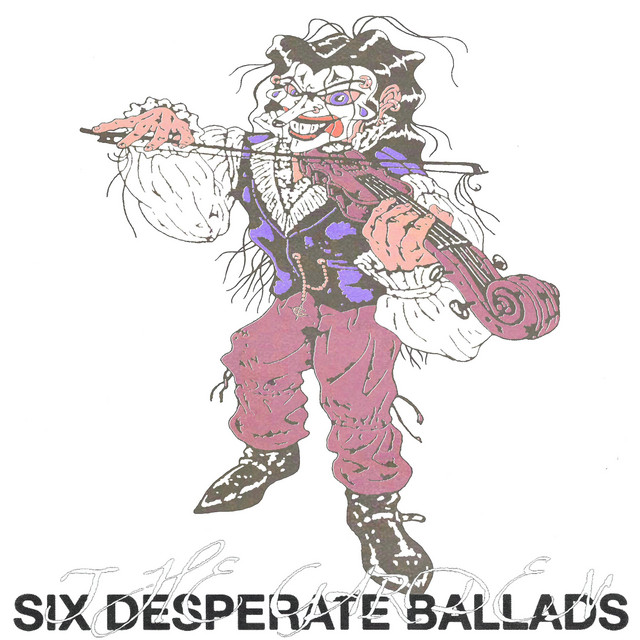
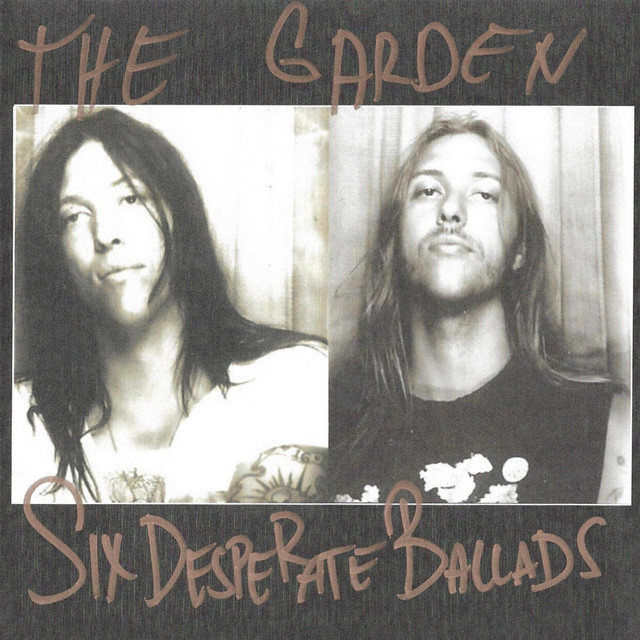
Six Desperate Ballads
The Garden
Filthy Rabbit Hole
The Garden
Pull Up On The Block
Slater
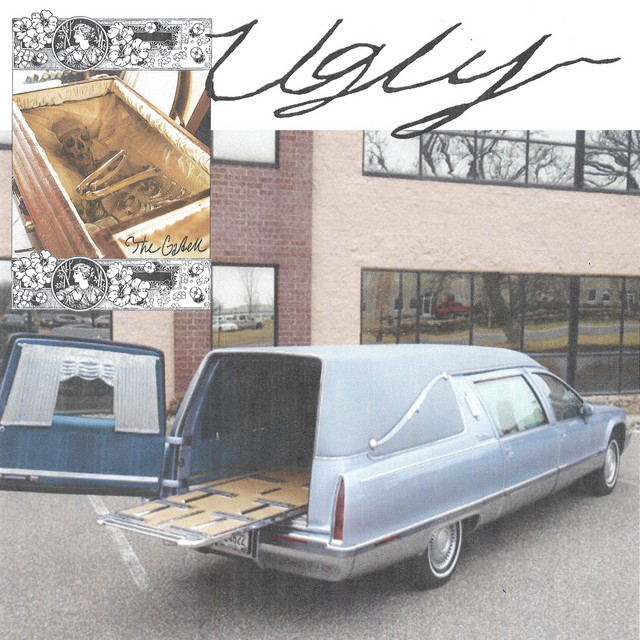
Ugly
The Garden
Rodeo Star
Cowgirl Clue
Ballet
The Garden
Spy on the Wall
Slater
Dinner with an Old Puppet
Macabre Plaza
A.R.C.
Enjoy
Fun New World
Enjoy
Show more
Artists
Cowgirl Clue
Puzzle
Macabre Plaza
The Garden
Enjoy
Slater
Download our mobile app
Get the Melodigging app and start digging for new genres on the go
Download on the App Store
Get it on Google Play
© 2026 Melodigging
Give feedback
Legal
Melodding was created as a tribute to
Every Noise at Once
, which inspired us to help curious minds keep digging into music's ever-evolving genres.