Genres
Artists
Albums
Make Music
Sign in
Sign in
Record label
Synphaera Records
Los Angeles
Related genres
Ambient
Ambient is a form of electronic and electroacoustic music that prioritizes tone, atmosphere, and texture over conventional song structures and rhythmic drive. It typically features slow-moving harmonies, sustained drones, gentle timbral shifts, and extensive use of space and silence. Rather than drawing attention to itself through hooks or beats, ambient is designed to be as ignorable as it is interesting, rewarding both background listening and focused immersion. Artists often employ synthesizers, samplers, tape loops, field recordings, and subtle acoustic instruments, with reverb and delay creating a sense of place. Substyles range from luminous, consonant soundscapes to darker, more dissonant atmospheres.
Discover
Listen
Ambient Dub
Ambient dub fuses the studio-as-instrument ethos of Jamaican dub with the spacious textures and slow-motion pacing of ambient and ambient house. It is marked by deep sub‑bass, echo‑drenched percussion, and vast, reverb‑heavy soundscapes where delays, filtering, and tape‑style feedback become primary compositional tools. Tracks tend to be long, hypnotic, and minimal, often incorporating field recordings, gentle synth pads, and fragmentary vocals that are treated as atmospheric elements rather than lyrical leads. Emerging in the early 1990s UK, the style crystallized through influential artists and compilations that showcased a reflective, psychedelic, and immersive approach to dub-informed electronic music.
Discover
Listen
Berlin School
Berlin School is a strand of German electronic music built around long, hypnotic sequences, evolving textures, and exploratory improvisation. It foregrounds analog synthesizers, step‑sequencers, and tape delays to create spacious, slowly shifting soundscapes. Emerging from the early 1970s Berlin underground, the style favors extended forms over song structures, minimal harmonic movement anchored by pedal points, and modal or scalar lead lines that weave over pulsing arpeggiations. The result balances mechanistic momentum with cosmic ambience, inviting deep listening and trance-like immersion.
Discover
Listen
Krautrock
Krautrock is an experimental form of rock that emerged in late-1960s West Germany, characterized by hypnotic repetition, long-form structures, and a forward-looking embrace of electronics and studio experimentation. It typically features a steady, driving 4/4 “motorik” beat, circular bass ostinatos, sparse harmonic movement, and textural layering that draws from minimalism, free improvisation, and avant-garde composition. Rather than virtuosic solos, the emphasis is on collective groove, trance-inducing momentum, and timbral exploration. The sound ranges from raw, percussive jams to spacious, cosmic electronics, often eschewing conventional Anglo-American blues forms in favor of a distinctly European modernist aesthetic.
Discover
Listen
Chillout
Chillout is a broad, downtempo-oriented style of electronic music designed for relaxation, decompression, and after-hours listening. It emphasizes spacious atmospheres, gentle grooves, and warm timbres over intensity or virtuosity. Emerging from the “chill-out rooms” of UK and Ibiza clubs, the sound blends ambient pads, soft 4/4 or broken-beat rhythms, and melodic fragments drawn from lounge, jazz, bossa nova, and Balearic traditions. Typical tempos range from about 70–110 BPM, with extended chords, subtle basslines, and abundant reverb and delay to create a sense of depth and calm. Though often used as an umbrella for related styles (ambient, downtempo, trip hop, lounge), chillout retains a distinct focus on mood: it privileges texture, space, and gentle momentum, making it a staple for late-night sets, beach bars, and home listening alike.
Discover
Listen
Dark Ambient
Dark ambient is a post‑industrial subgenre that coalesced in the mid‑1980s, drawing primarily on ambient music but shifting its focus toward ominous, subterranean space and timbre. It is characterized by long, low‑frequency drones; dissonant or microtonal overtones; and an enveloping, gloomy or catacomb‑like atmosphere. While largely electronic (synthesizers, samplers, tape and digital processing), artists frequently incorporate field recordings, contact‑mic textures, bowed metal, gongs, and fragments of traditional instruments captured with semi‑acoustic techniques and then heavily processed. Melody and pulse are minimized; instead the music emphasizes immersive sound design, psychoacoustic detail, and slowly evolving textures that evoke dread, awe, and isolation.
Discover
Listen
Downtempo
Downtempo is a mellow, groove-oriented branch of electronic music characterized by slower tempos, plush textures, and a focus on atmosphere over dancefloor intensity. Typical tempos range from about 60–110 BPM, with swung or laid-back rhythms, dub-informed basslines, and warm, jazz-tinged harmonies. Stylistically, it blends the spaciousness of ambient, the head-nodding rhythms of hip hop and breakbeat, and the cosmopolitan smoothness of lounge and acid jazz. Producers often use sampled drums, Rhodes or Wurlitzer electric pianos, guitar licks with delay, and field recordings to create intimate, cinematic soundscapes. The mood spans from soulful and romantic to introspective and dusk-lit, making it a staple of after-hours listening, cafes, and relaxed club back rooms.
Discover
Listen
Drone
Drone is a minimalist music genre defined by sustained tones, long durations, and extremely gradual change. Harmony is often static or centered on a single fundamental with subtle overtone shifts, while rhythm tends toward stasis or very slow pulses. Sound sources range from acoustic instruments (e.g., strings, organ, bagpipes, shruti box, tambura) to electronics (sine waves, oscillators, feedback, tape loops, and later digital synthesis and processing). Many composers favor just intonation or other alternative tuning systems to emphasize beating patterns, psychoacoustic effects, and the internal life of sound. Although drone as a sonic principle is ancient and global, the modern experimental genre cohered in the 1960s through the New York minimalists and related avant‑garde circles, then spread into ambient, experimental, and heavy music scenes. The focus is less on melody and more on timbre, resonance, and the phenomenology of listening.
Discover
Listen
Dub
Dub is a studio-born offshoot of reggae that uses the mixing desk as a performance instrument. Producers strip songs down to their rhythmic core—drums and bass—and then rebuild them in real time with radical mutes, echoes, reverbs, and filters. Typically created from the B-sides (“versions”) of reggae singles, dub foregrounds spacious low-end, one-drop or steppers drum patterns, and fragmented vocal or instrumental phrases that drift in and out like ghostly textures. Spring reverb, tape echo, and feedback are not just effects but compositional tools, turning the studio into an instrument of improvisation. The result is bass-heavy, spacious, and hypnotic music that emphasizes negative space and textural transformation, laying the foundation for countless electronic and bass music styles.
Discover
Listen
Dub Techno
Dub techno is a minimalist offshoot of techno that fuses Detroit/Berlin techno rhythms with classic Jamaican dub studio techniques. It emphasizes space, depth, and decay through extensive use of tape‑style delays, spring/plate reverbs, and filtering. Typical tracks hover around 118–130 BPM with understated 4/4 drums, deep sub‑bass, and repeating, softly struck chord stabs (often minor 7ths or suspended voicings) that are washed in reverb. The result is a hypnotic, immersive sound world—grainy, foggy, and textural—where small timbral changes and delay tails provide the narrative. The genre coalesced in early‑1990s Berlin around Basic Channel and related labels, drawing on Detroit techno’s futurism and Jamaican dub’s mixing philosophy while embodying the austere spatial aesthetics of the Berlin scene.
Discover
Listen
Electronic
Electronic is a broad umbrella genre defined by the primary use of electronically generated or electronically processed sound. It encompasses music made with synthesizers, drum machines, samplers, computers, and studio/tape techniques, as well as electroacoustic manipulation of recorded or synthetic sources. The genre ranges from academic and experimental traditions to popular and dance-oriented forms. While its sonic palette is rooted in electricity and circuitry, its aesthetics span minimal and textural explorations, structured song forms, and beat-driven club permutations. Electronic emphasizes sound design, timbre, and studio-as-instrument practices as much as melody and harmony.
Discover
Listen
Electronica
Electronica is a broad, largely 1990s umbrella term for a spectrum of electronic music crafted as much for immersive, album‑oriented listening as for clubs and raves. It gathers elements from techno, house, ambient, breakbeat, IDM, and hip hop production, emphasizing synthesizers, drum machines, samplers, and studio experimentation. The sound can range from downtempo and atmospheric to hard‑hitting and breakbeat‑driven, but it typically foregrounds sound design, texture, and mood over strict dance‑floor utility. In the mid‑to‑late 1990s the term was used by labels and press—especially in the United States—to market and introduce diverse electronic acts to mainstream rock and pop audiences.
Discover
Listen
Idm
IDM (often expanded as "Intelligent Dance Music") is a strand of experimental electronic music that applies the sound palette and production methods of club genres to listening-focused, often home-oriented works. It favors intricate rhythm programming, unusual time signatures, and richly textured sound design, blending ambient atmospheres with techno’s pulse, electro’s syncopation, and breakbeat’s fragmentation. The music often de-emphasizes the dancefloor in favor of headphone detail, algorithmic structure, and timbral exploration. The term itself is contentious—many artists rejected the "intelligent" label—yet it became a convenient tag for the early- to mid‑1990s cluster of Warp, Rephlex, and related scenes that foregrounded complexity, abstraction, and emotional ambiguity.
Discover
Listen
Psybient
Psybient (also called psychill) blends the deep, enveloping textures of ambient music with the timbral palette, psychedelic effects, and ritualistic atmosphere of psytrance—usually at much slower tempos. Expect long-form, evolving soundscapes; drones and lush pads; organic and ethnic instrumentation (hand drums, flutes, sitar-like timbres); and spacious production with delays, reverbs, and modulated filter sweeps. Beats are typically downtempo (roughly 60–110 BPM), often with hypnotic, syncopated percussion and gently pulsing basslines. The overall effect is meditative yet vividly hallucinatory—music designed as much for inner journeys and chillout spaces as for attentive, high-fidelity listening.
Discover
Listen
Psychedelic
Psychedelic is an umbrella term for music that seeks to evoke, emulate, or accompany altered states of consciousness through sound, arrangement, and studio technique. It emphasizes timbral color, drones, modal harmony, surreal or mystical lyrics, and immersive production, often using tape manipulation, extended effects, and non‑Western instruments (notably from Indian classical traditions). The result ranges from delicate, dreamlike textures to dense, kaleidoscopic soundscapes intended to expand perception and dissolve conventional song form.
Discover
Listen
Space Ambient
Space ambient is a substyle of ambient music devoted to evoking cosmic scale, interstellar travel, and the vastness of outer space. It emphasizes expansive soundscapes, slow-evolving drones, and a strong sense of spatial depth created by long reverbs, delays, and careful stereo imaging. The music typically avoids overt rhythm and melody in favor of sustained pads, subtly shifting harmonies, and quiet textural details. Analog and digital synthesizers, modular systems, and granular processing are common tools, often complemented by found sounds, radio/space transmissions, and gentle field recordings. The result is immersive, contemplative listening that suggests weightlessness, distance, and awe.
Discover
Listen
Space Music
Space music is an ambient-leaning form of electronic and acoustic soundscaping designed to evoke vastness, weightlessness, and the mystery of the cosmos. It favors long, slowly evolving textures, deep drones, and luminous harmonies over conventional song structure, rhythm, or melody. The style grew around sustained synthesizer pads, sequencer patterns, and expansive reverberation, often integrating field recordings or processed acoustic instruments. Whether contemplative or awe‑struck, its intent is to transport the listener into a spacious, imaginal soundfield—akin to drifting through celestial environments and deep time.
Discover
Listen
Albums
Starseed
Various Artists
The Glow Beneath
One Arc Degree
The Perfect Form
Fourth Dimension
Portal to Transcendence
S1gns of L1fe
Particle Acceleration
S1gns of L1fe
Wave Interference
Lars Leonhard
Cosmic Trails
Ancient Astronaut
Ancestral Light
Path of Silence
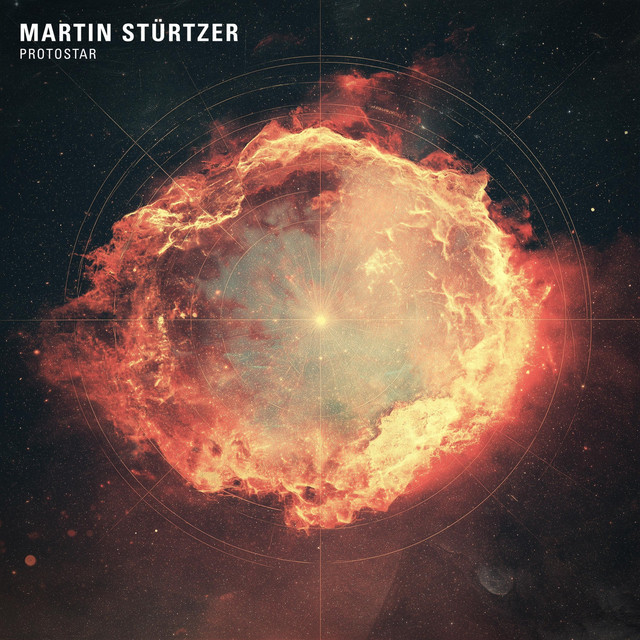
Protostar
Martin Stürtzer
Illumination Cycle
Martin Stürtzer
Show more
Artists
Halftribe
Ascendant
Ancient Astronaut
Martin Stürtzer
Germind
S1gns Of L1fe
Various Artists
Fourth Dimension
Spinnet
One Arc Degree
Arjen Schat
Lars Leonhard
Path of Silence
Echo Season
Parallax-5
Joystick
Transponder
Spectral Wanderer
Solaris
Remote Vision
Download our mobile app
Get the Melodigging app and start digging for new genres on the go
Download on the App Store
Get it on Google Play
© 2026 Melodigging
Give feedback
Legal
Melodding was created as a tribute to
Every Noise at Once
, which inspired us to help curious minds keep digging into music's ever-evolving genres.