Your digging level
Description
Youth crew is a late-1980s strain of straight edge hardcore centered on fast, no-frills songs, anthemic gang vocals, and a distinctly positive, community‑minded ethos. It arose from the New York–New Jersey–Connecticut hardcore circuit and spread to Southern California and Boston.
Musically, youth crew emphasizes brisk tempos, tight power‑chord riffs, punchy two‑step and skank beats, short breakdowns, and shouted, call‑and‑response hooks designed for sing‑alongs. Lyrically it champions personal responsibility, sobriety (straight edge), friendship, unity, and self‑improvement, often rejecting cynicism in favor of optimism.
The aesthetic—athletic gear, crew‑cut energy, bold typography—matched the music’s clean, disciplined feel. Though compact in its original era, youth crew’s spirit and writing style strongly informed later melodic hardcore and parts of post‑hardcore and metallic hardcore.


History
Youth crew coalesced in the mid‑1980s within the U.S. hardcore punk milieu, particularly the New York area scene (often intersecting with NYHC) and parallel straight edge communities. Bands like Youth of Today, Bold, Judge, Side By Side, and Gorilla Biscuits codified a sound that was faster and tighter than earlier punk while retaining hardcore’s directness. The message foregrounded straight edge sobriety, positive thinking, and scene unity—an outlook often dubbed "posi-core."
While hardcore had already embraced speed and brevity, youth crew sharpened arrangements around memorable group‑shout choruses, crisp two‑step parts, and concise breakdowns that encouraged crowd participation. The lyrical focus consciously countered nihilism, favoring self‑discipline, respect, and inclusion. Visual style—athletic wear, bold logos, and zines—reinforced the crew identity.
As New York bands toured and traded tapes, Southern California and Boston scenes developed strong youth crew lines of their own (Uniform Choice, Insted; later Ten Yard Fight, In My Eyes). The DIY label and fanzine networks amplified the movement, cementing a shared repertoire of values and sounds across regions.
Although grunge and more metallic strands of hardcore gained traction in the early 1990s, youth crew’s template resurfaced in revival waves (e.g., Floorpunch and Chain of Strength reasserting the late‑’80s style). Members of the scene also helped seed offshoots—most famously Krishnacore (via Shelter) and strands of melodic hardcore and post‑hardcore that preserved youth crew’s anthemic directness.
Youth crew remains a touchstone for straight edge and positive hardcore worldwide. Its efficient songcraft, communal choruses, and uplifting stance continue to inform contemporary melodic hardcore, metallic hardcore with a non‑nihilistic slant, and aspects of modern post‑hardcore songwriting.

Top albums
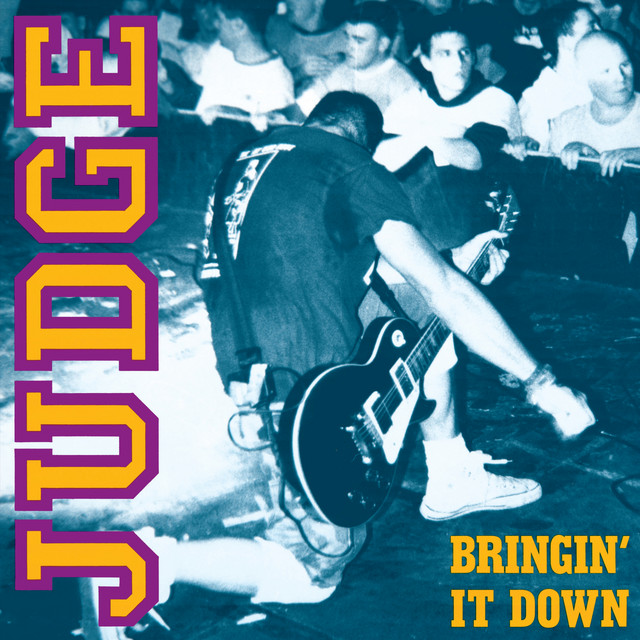
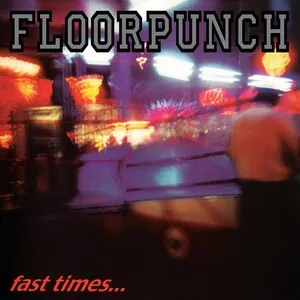
Best playlists

![Neven - U svakom srcu gore svetla (Full EP) [Youth Crew HC]](https://i.ytimg.com/vi/16eqmEoC248/hqdefault.jpg)
![[EGxHC] V/A Youth Crew 2026 - Our Pride Records / Positive and Focused - 2026 (Full Album)](https://i.ytimg.com/vi/eHjrOt4SRZ8/hqdefault.jpg)