Your digging level
Description
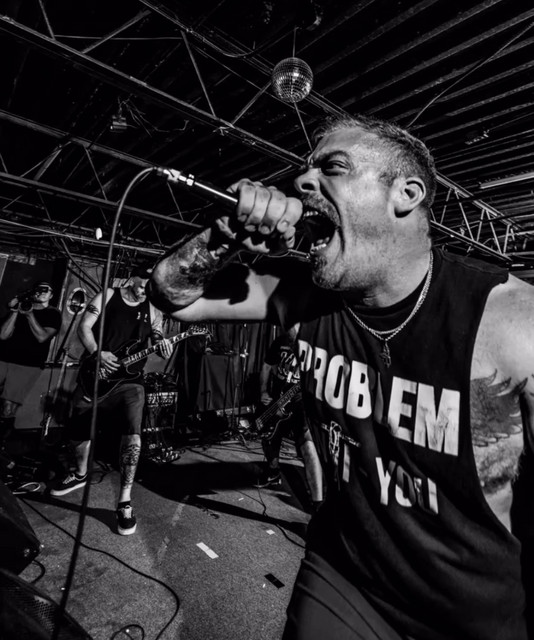
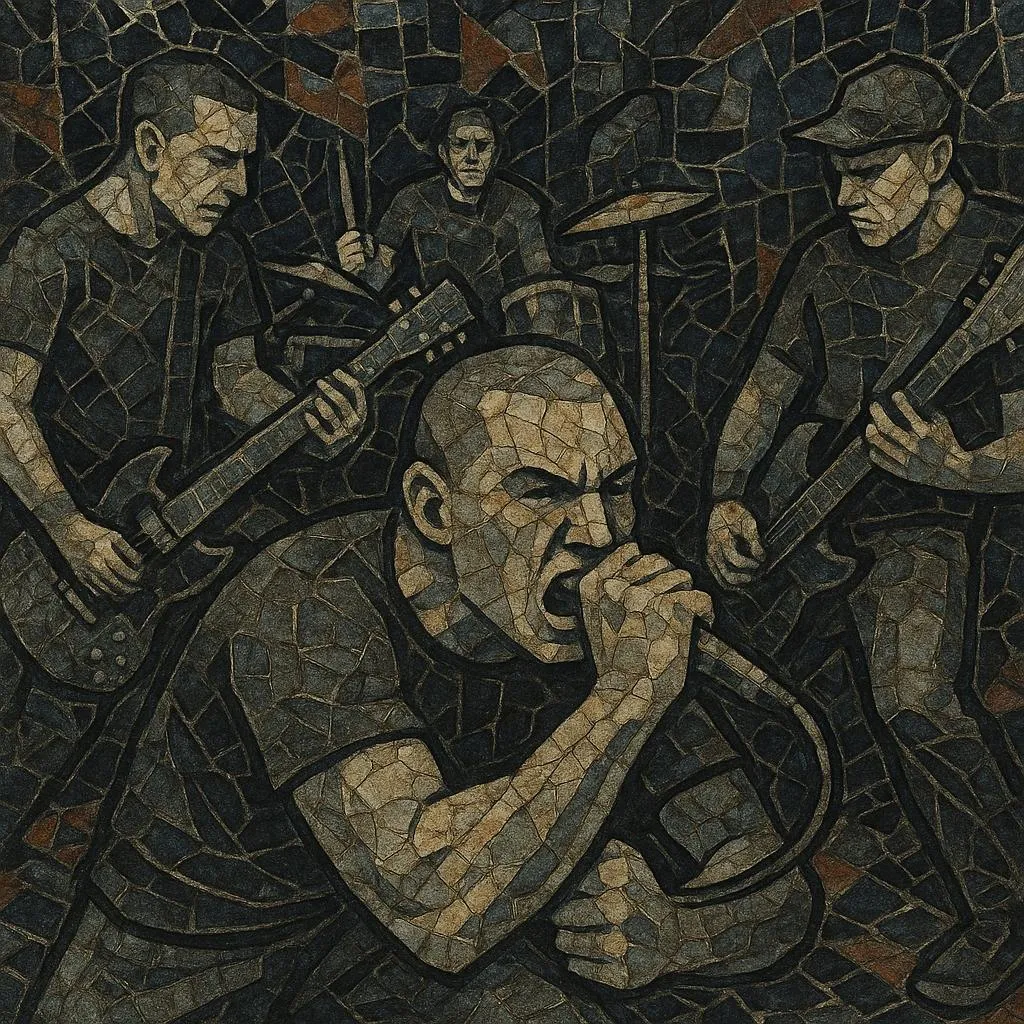
New England hardcore is a regional strain of hardcore punk rooted in the Boston-area scene and the wider New England states. It is defined by blistering tempos, short song forms, barked lead vocals, gang‑chant choruses, and an emphasis on tight, physical performances that translate directly to the energy of the pit.
From the early “Boston Crew” bands in the 1980s to the 1990s/2000s resurgence that connected hardcore to emerging metalcore and post‑hardcore currents, the style balances austerity and ferocity with straight‑ahead songwriting: power‑chord riffs, two‑step and D‑beat propulsion, halftime breakdowns, and lyrical themes about personal resolve, scene unity, working‑class realism, and (at times) straight‑edge ideals.
The regional identity—DIY venues, college‑town infrastructures, and a tight network of independent labels and promoters—helped forge a sound that is simultaneously spartan and anthemic, exporting Boston/New England’s take on hardcore to the rest of the United States and beyond.


History
New England hardcore coalesced around the Boston scene in the early 1980s, when local bands embraced the speed and aggression of first‑wave U.S. hardcore and sharpened it into a more militant, athletic form. The “Boston Crew” ethos (tight circles of bands, zines, and supporters) fostered fast sets, gang vocals, and an uncompromising stage presence that became synonymous with the area.
As the scene matured, New England bands toured nationally, linking with D.C., New York, and Midwest circuits. The region’s players began flirting with heavier guitar tones, tighter musicianship, and more pronounced breakdowns, a shift that foreshadowed the metal‑leaning tendencies that would soon explode in nearby Massachusetts and Connecticut. DIY labels, skate shops, and college radio amplified the signal.
A new generation revived foundational Boston aesthetics—fast, direct, chant‑ready—while also feeding into the rise of metalcore and post‑hardcore centered in Massachusetts and Connecticut. The era’s bands helped codify hallmarks like two‑step verses into punishing halftime breakdowns, while keeping set lengths short and crowd interaction high.
Contemporary New England hardcore continues to honor its 1980s blueprint—economical songcraft, pit‑friendly structures, and community‑first values—while branching into offshoots that touch math‑y complexity, metallic heft, and increasingly melodic or experimental edges. The scene’s reputation for intensity and discipline remains a global reference point for hardcore.


Top albums