Your digging level
Description
Vaqueiro is a modern Northeastern Brazilian popular style tied to the vaquejada (cowboy/rodeo) circuit and the broader forró ecosystem. It blends the rustic imagery and vocal inflections of traditional cattle-herding songs (aboio) with electrified forró, arrocha-style romanticism, and contemporary dancefloor production.
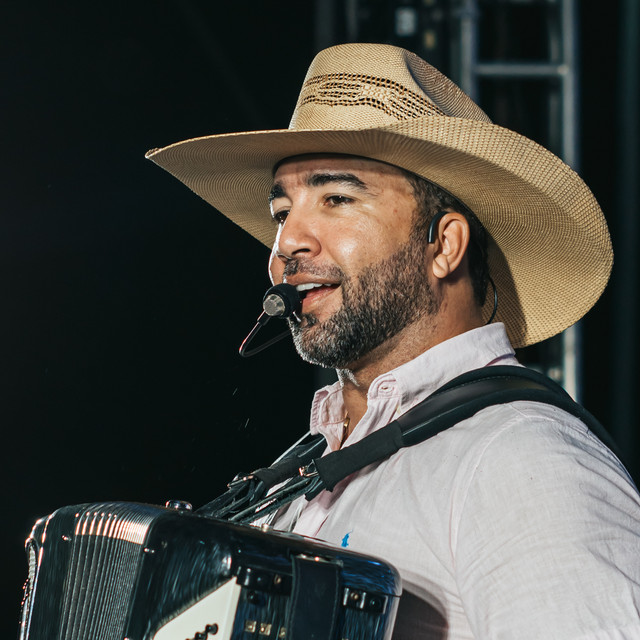
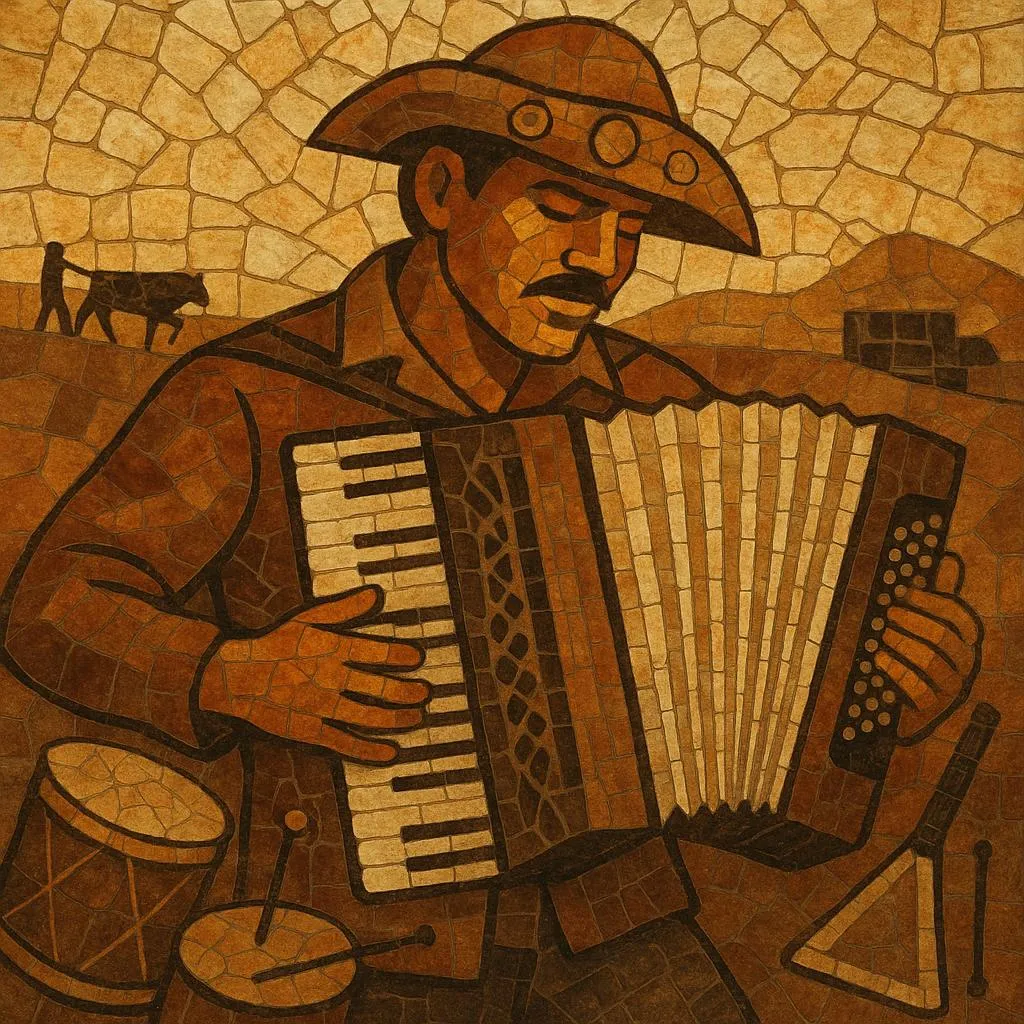
Typical arrangements feature accordion (sanfona), zabumba, triangle, electric bass and guitar, and prominent synthesizers or drum machines inherited from forró eletrônico. Lyrics celebrate rodeo life, rural pride, love and heartbreak (sofrência), partying, and the social scene around vaquejadas. The groove is driving and danceable, while the vocal delivery retains the unmistakable Northeastern accent and melismas associated with the region.
History
Vaqueiro grows out of Northeastern Brazil’s rural soundscape. For centuries, cowhands (vaqueiros) used the aboio—an open-throated, melismatic cattle call—as a work chant and a symbol of pastoral identity. In the 20th century, those voices met the core forró rhythms (baião, xote, arrasta-pé) as accordion-led dance music became a regional staple.
From the 1990s on, forró eletrônico amplified traditional ensembles with electric bass, guitars, keyboards, and drum machines, scaling up to large sound systems at rodeos and open-air festas. Bands circulating the vaquejada circuit began writing explicitly “cowboy” songs—romantic and celebratory anthems that kept rural imagery front and center while embracing pop hooks and club-ready production.
Through the 2000s, the style coalesced: rugged themes, dancefloor tempos, and sing‑along refrains tailored to massive regional events. The repertoire mixed sofrência narratives (influenced by arrocha and sertanejo romantico) with the relentless swing of forró eletrônico, making “vaqueiro” both a scene descriptor and a recognizable sound.
In the late 2010s and 2020s, piseiro (a minimal, beat-forward branch of the forró/arrocha continuum) exploded online and on stages, often carrying vaqueiro themes, vocal timbres, and rodeo aesthetics. Streaming platforms and social media accelerated the spread, pushing the style from regional circuits to national pop without losing its Northeastern identity.