Your digging level

For this genre
0/8
🏆
Sign in, then listen to this genre to level up

Description

UKHC (UK hardcore) is a UK-based strain of hardcore punk that typically leans heavier and more metallic than classic US hardcore.

It commonly features downtuned guitars, palm-muted riffing, breakdown-centered songwriting, and a vocal approach that ranges from barked shouts to harsher growls.

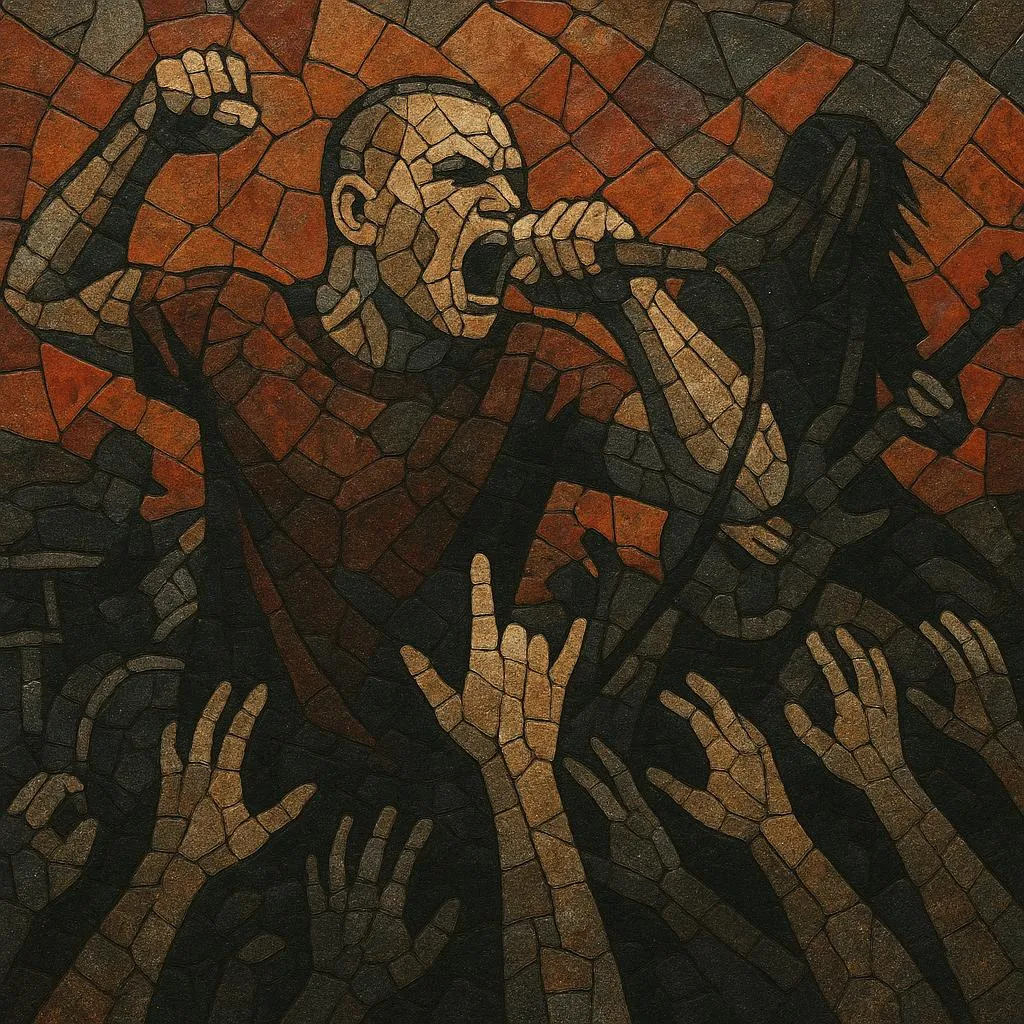
While it is a “scene” label as much as a stylistic one, UKHC is often associated with metallic hardcore and beatdown-oriented hardcore that is built for mosh pits and live-energy impact.


Sources: Spotify, Wikipedia, Discogs, RYM, MB, user feedback and other online sources

History

Roots and groundwork

UKHC’s musical DNA is tied to earlier waves of hardcore punk, but it developed a distinct identity through the UK’s local scenes, venues, and touring circuits.

Consolidation into a recognizable sound (2000s)

In the 2000s, many UK bands moved toward a tougher, heavier approach: tighter low-end riffing, more pronounced breakdowns, and a production style that emphasized punch and aggression.

This period is when “UKHC” became widely used as a practical tag for bands and shows that sat somewhere between hardcore punk and metalcore.

Modern era (2010s–present)

From the 2010s onward, UKHC diversified: some acts pushed into more metal-oriented territory, others embraced groove and alternative influences, and many retained a strong beatdown and mosh-driven core.

Despite stylistic variation, the scene remains strongly defined by live culture, DIY ethics, and community infrastructure (local promoters, small venues, independent labels).

How to make a track in this genre

Instrumentation & sound
•   Guitars: Use humbuckers and heavier distortion; common tunings range from drop D down to drop B/A. •   Bass: Follow guitar rhythm tightly; add occasional fills to emphasize transitions into breakdowns. •   Drums: Prioritize punchy kick/snare; tight gating and controlled cymbals are common in modern production.
Rhythm & form
•   Groove-first writing: Start with a primary “mosh riff” that locks to a simple, forceful drum pattern. •   Breakdowns as structure: Build songs around 1–3 breakdown moments (half-time feel, chug patterns, stops). •   Tempo contrasts: Alternate faster hardcore sections (driving D-beat or fast two-step) with slower, heavier drops.
Riffs & harmony
•   Riff vocabulary: Palm-muted chugs, syncopation, and short motifs that repeat with small rhythmic changes. •   Harmony: Typically minimal; use power-chords, chromatic movement, and occasional dissonant intervals (e.g., minor 2nd) for tension. •   Leads: If used, keep them short and purposeful (textural lines, simple hooks, or metallic flourishes).
Vocals & lyrics
•   Vocals: Aggressive shouts/growls with clear rhythmic placement; gang vocals on key lines are common. •   Lyrics: Often direct and confrontational; themes frequently include resilience, betrayal, social pressure, personal struggle, and scene solidarity.
Production & performance tips
•   Tight editing: Modern UKHC often favors tight timing and controlled low end; edit drums and guitars to feel “locked.” •   Dynamics via arrangement: Instead of chord complexity, create impact by dropping instruments out, using vocal-only calls, or sudden stop-start hits. •   Live emphasis: Write parts that are easy for a crowd to move to—clear downbeats, obvious cues, and memorable rhythmic hooks.

Top tracks

Locked
Share your favorite track to unlock other users’ top tracks

Upcoming concerts

in this genre
Influenced by
Has influenced
No genres found

Download our mobile app

Get the Melodigging app and start digging for new genres on the go
© 2026 Melodigging
Melodding was created as a tribute to Every Noise at Once, which inspired us to help curious minds keep digging into music's ever-evolving genres.
Buy me a coffee for Melodigging