Your digging level

For this genre
0/8
🏆
Sign in, then listen to this genre to level up

Description

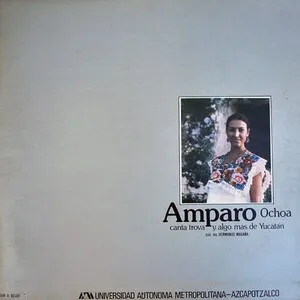
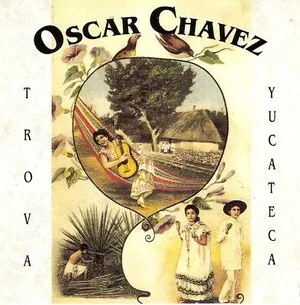
Trova yucateca is the refined serenade-song tradition of Mexico’s Yucatán Peninsula, centered in Mérida. It fuses Hispanic art-song poetics with Caribbean rhythmic sensibilities, yielding lyrical, guitar-driven pieces meant for intimate performance and night-time serenatas.

Heavily influenced by Cuban music, it freely embraces bolero forms, clave-derived syncopation, habanera and danzón cadences, and even bambuco hemiolas. Typical arrangements use two or three guitars (often with a requinto lead) and close vocal harmony to support tender, nostalgic verses about love, longing, and the moonlit ambience of Yucatán.


Sources: Spotify, Wikipedia, Discogs, RYM, MB, user feedback and other online sources

History

Origins (late 19th century)

Trova yucateca emerged in Mérida, Yucatán in the 1890s as local composers and singers adapted Hispanic salon song and poetry to guitar-based serenades. Maritime links to Havana brought a steady influx of Cuban repertoires and rhythmic ideas, embedding bolero phrasing, habanera sway, and clave feeling into the Yucatecan idiom.

Golden Era (1910s–1930s)

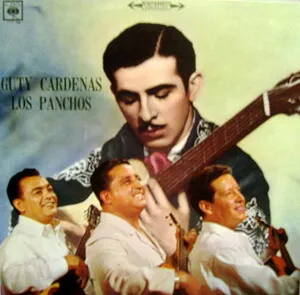
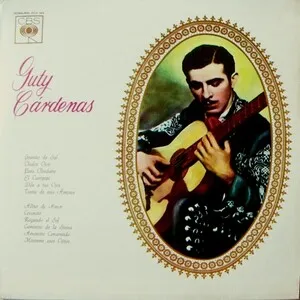
The early 20th century saw a flowering of Yucatecan song. Poetically sophisticated lyrics—frequently collaborating with notable regional poets—were matched to graceful melodies and chromatic but tonal harmonies. Figures like Guty Cárdenas and Ricardo Palmerín shaped a signature sound of intimate guitars, careful voice-leading, and bittersweet romanticism, which circulated via radio, records, and touring trios.

Mid-century evolution (1940s–1970s)

As Cuban bolero swept Latin America, Yucatán’s trovadores dovetailed with the broader bolero boom. Yucatecan writers and singers contributed standards to the Mexican romantic songbook, while trío formats (lead requinto plus two harmony guitars) standardized arrangements. The style informed later Mexican balladry and singer-songwriter traditions.

Preservation and continuity (1980s–today)

Cultural institutions in Yucatán (peñas, trovador circles, local festivals) have preserved the repertoire. Contemporary artists reference its harmonic language and poetic tone, and heritage recordings continue to define an aesthetic of understated elegance that still guides serenades and intimate songcraft across Mexico.

How to make a track in this genre

Core instrumentation and texture
•   Use a small, intimate ensemble: two or three nylon-string guitars, with one acting as requinto (melodic lead) and the others providing rhythm/harmony. Optional light percussion (maracas) can hint at the clave feel but should remain subtle. •   Arrange for close vocal harmonies (duo or trio). Keep the lead vocal expressive but restrained; blend and diction matter as much as power.
Rhythm and groove
•   Lean on bolero’s gentle 4/4 with tresillo/clave undercurrent; let the guitar’s thumb outline bass on beats 1 and 3 while off-beat upstrokes suggest the clave syncopation. •   For variety, reference habanera (dotted-eighth–sixteenth–eighth–eighth) or bambuco-style hemiolas (shifting 6/8 vs. 3/4 feel) in intros/turnarounds.
Harmony and melody
•   Stay broadly tonal (major/minor) with elegant chromatic color: secondary dominants (V/V, V/ii), diminished passing chords (vii°/V), and occasional borrowed iv in major for wistful turns. •   Favor lyrical, singable melodies with stepwise motion and expressive appoggiaturas; let the requinto echo and answer vocal phrases.
Form and phrasing
•   Common forms: AABA or verse–estribillo. Start with a brief guitar intro, present the verse with clear storytelling, build to a heartfelt refrain, and end with a delicate coda. •   Tempos typically 60–90 BPM; keep dynamics moderate to highlight text and timbre over bravura.
Lyrics and imagery
•   Write in cultivated Spanish with poetic imagery of night, gardens, breeze, and moonlight; center on love, longing, and memory. Keep lines concise, with internal rhyme and assonance supporting the melodic scansion.
Arrangement tips
•   Voice-lead inner guitar lines smoothly (3rds and 6ths); let the requinto take brief interludes between stanzas. •   Record dry and intimate; a small-room ambience complements the serenata character.

Top tracks

Locked
Share your favorite track to unlock other users’ top tracks

Upcoming concerts

in this genre
Influenced by

Download our mobile app

Get the Melodigging app and start digging for new genres on the go
© 2026 Melodigging
Melodding was created as a tribute to Every Noise at Once, which inspired us to help curious minds keep digging into music's ever-evolving genres.
Buy me a coffee for Melodigging