


Your digging level
For this genre
0/8
🏆
Sign in, then listen to this genre to level up
Description
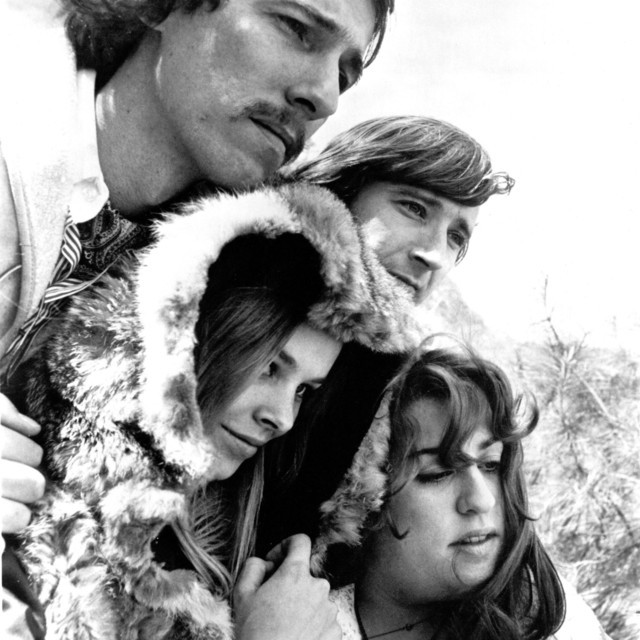
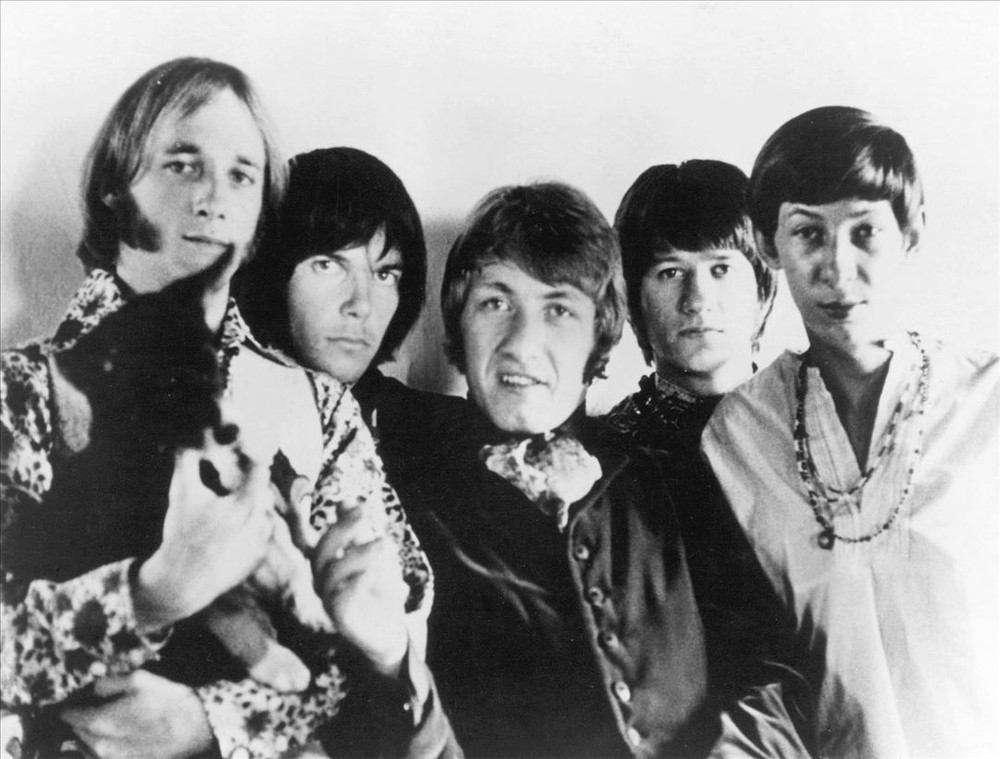
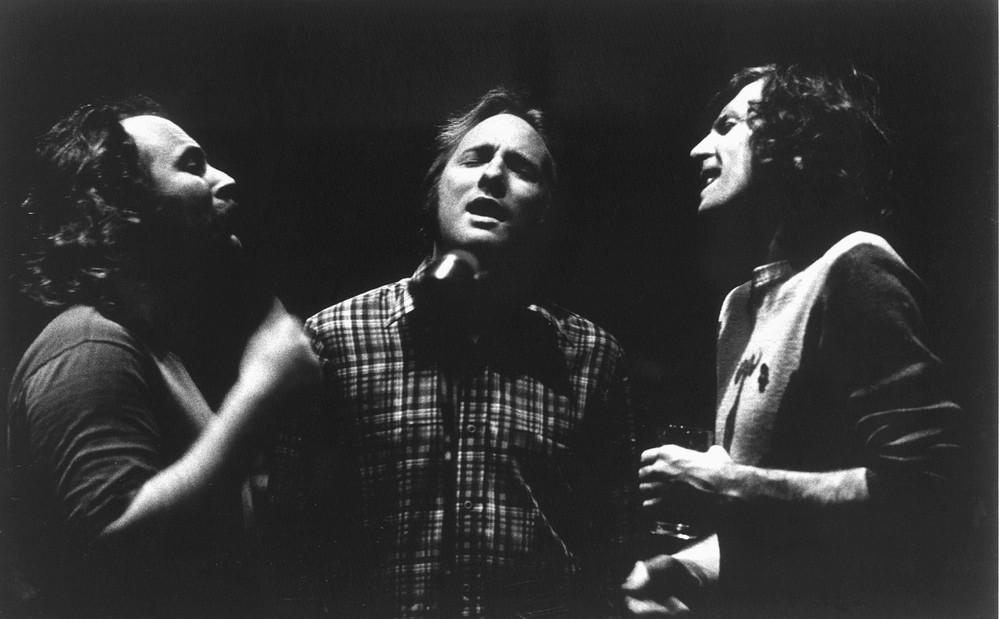
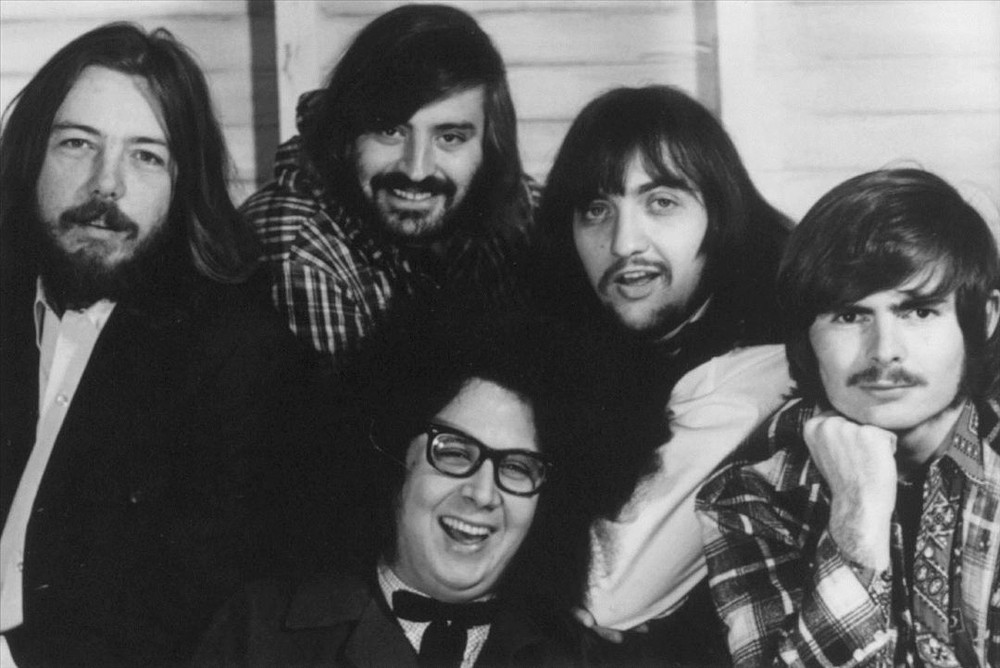
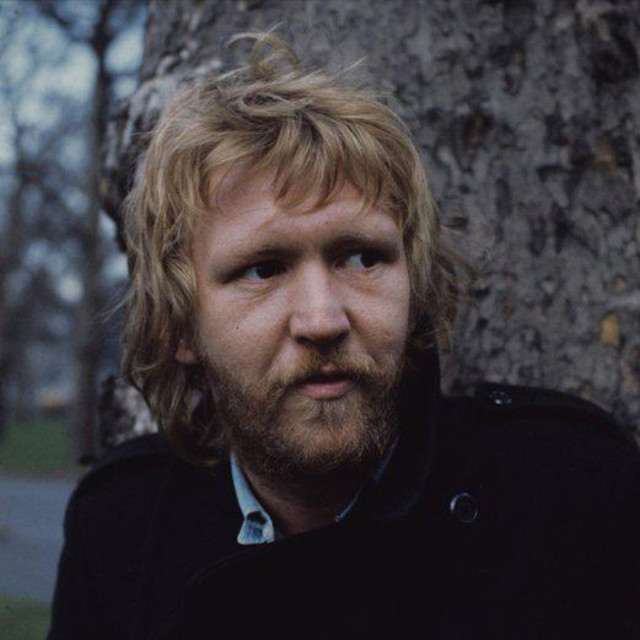
The Topanga Canyon scene was a community of musicians and other artists based in Topanga, in western Los Angeles County, California, during the 1960s and 1970s. More secluded than nearby Laurel Canyon, it attracted people looking for a country setting away from Hollywood. The Topanga Corral was a central performance venue, while informal jam sessions were part of the community’s life.
Its musicians worked across country rock, folk rock and psychedelic rock rather than in a single distinctive style. Much of the music was stripped back and mellow, drawing strongly on folk and country roots. The scene overlapped with the wider Los Angeles counterculture and also included filmmakers.
History
A country setting near Los Angeles
The scene emerged in the 1960s in Topanga, a relatively secluded community in western Los Angeles County. Its artists were part of a countercultural network that also overlapped with Laurel Canyon. At the Topanga Corral, local performers included Neil Young, Linda Ronstadt, Spirit, Canned Heat and Taj Mahal.
Records and country rock
Young moved from Laurel Canyon to Topanga in August 1968, after Buffalo Springfield broke up. He made his solo debut, Neil Young, with producer and fellow Topanga resident David Briggs. His later album After the Gold Rush was partly recorded at his home and drew inspiration from Dean Stockwell’s Topanga-themed screenplay. Young left Los Angeles County for a ranch south of San Francisco in 1970.
The scene contributed to the development of country rock. Topanga residents Gram Parsons and Chris Hillman founded The Flying Burrito Bros; their debut, The Gilded Palace of Sin, went on to inspire the Eagles. Linda Ronstadt became a major country rock star.
Beyond music
The community also brought musicians into proximity with filmmakers. Will Geer’s ranch was a meeting place for figures including Dennis Hopper, Peter Fonda and Jack Nicholson. The scene’s influence continued through the country rock and singer-songwriter music that developed around Los Angeles.
Begin with an unforced song
Aim for the scene’s mellow, stripped-back character. Start with a song that can stand on a simple accompaniment, and let folk and country ideas guide its melody and phrasing rather than filling every space in the arrangement.
Arrange for a small group
A common approach in folk and country rock is to build around voice and acoustic guitar, then add bass, drums or electric guitar where they serve the song. Keep the parts complementary and leave room for a relaxed vocal. You could use banjo or fiddle colors to explore the roots-music side of the setting.
Leave room to play
Try developing the arrangement through informal group jamming, allowing players to respond to one another before settling on a final version. For a psychedelic-rock direction, you could experiment with electric-guitar textures while keeping the core song clear and the overall performance spacious.
Users’ favorites
Tracks
Share your favorite track to see the other users’ ones
Artists
Share your favorite artist to see the other users’ ones
Albums
Share your favorite album to see the other users’ ones
Upcoming concerts
in this genre
Influenced by


