Your digging level

For this genre
0/8
🏆
Sign in, then listen to this genre to level up

Description

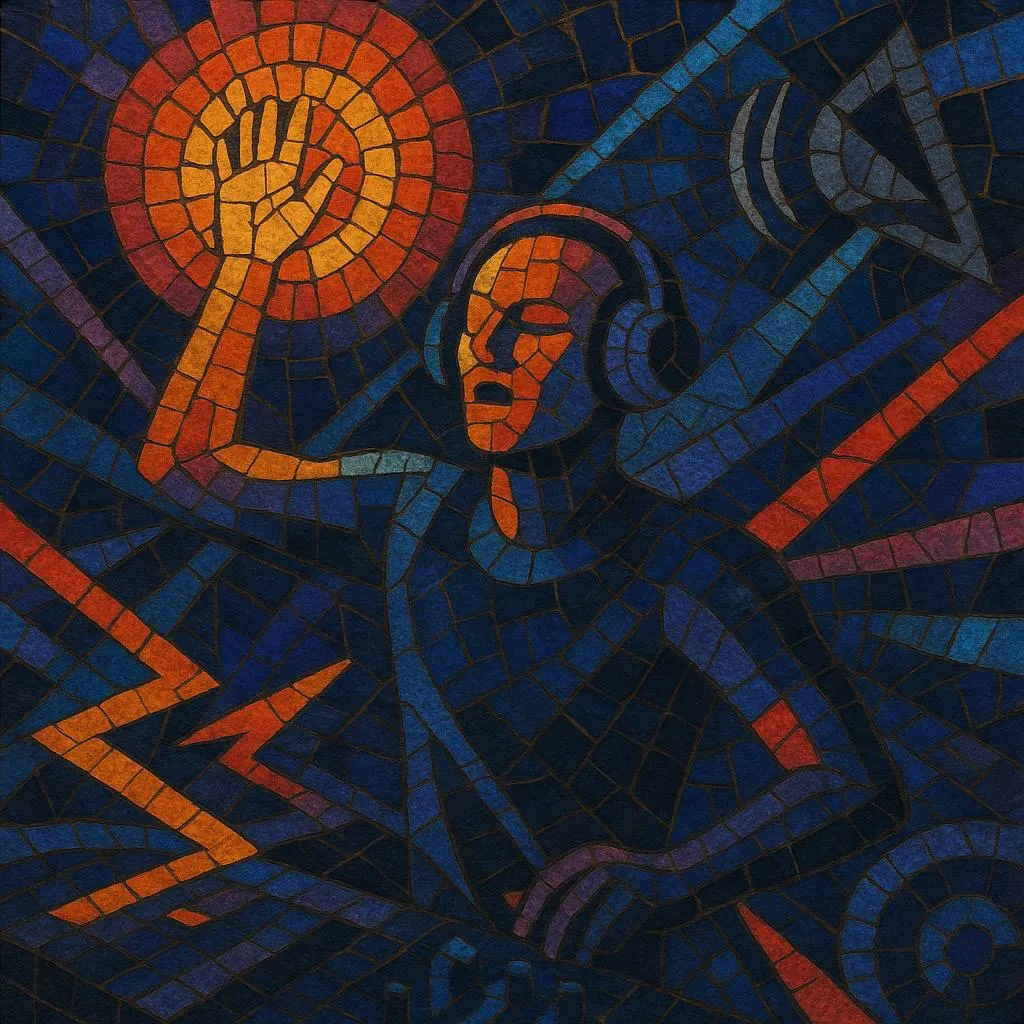
Techno rave is a high-energy strain of techno built for large, ecstatic dancefloors. It blends the relentless 4/4 drive of techno with the euphoric signifiers of early rave: hoover leads, bright stabs, Reese basses, air-raid sirens, and stadium-sized breakdowns and drops.

Typically clocking in around 140–155 BPM, the style favors pounding, distorted kicks, off-beat bass pulses, and tightly looped motifs that bloom into big, hands-in-the-air moments. Its palette nods to classic early-’90s European rave and Belgian techno while embracing contemporary hard techno power and modern sound design.


Sources: Spotify, Wikipedia, Discogs, Rate Your Music, MusicBrainz, and other online sources

History

Origins (late 1980s–1990s)

Techno rave took shape as European ravers fused Detroit-influenced techno with the hedonistic intensity of the early European rave explosion. Belgium’s new beat and early Belgian techno labels helped define a tougher, stab-heavy sound, while UK rave culture supplied anthemic hooks and peak-time sensibilities. By the early 1990s, “ravey” techno signified turbo-charged 4/4 tracks with hoovers, M1 pianos, and Reese basses.

Consolidation and Mainstream Brush

As the 1990s progressed, the rave aesthetics spread across Germany, the Netherlands, and the UK, feeding into harder strands of techno and interacting with hard trance, early gabber, and breakbeat hardcore. Some elements drifted into more commercial forms (Eurodance, hands up), but an underground core kept the harder, darker, and more hypnotic techno-rave approach alive in clubs and warehouses.

Revival and Modern Era (2010s–2020s)

A major revival arrived in the late 2010s as hard techno surged, with producers reintroducing 90s rave tropes—hoovers, sirens, supersaws—over modern industrial-strength drums and contemporary mastering. Large festivals and warehouse events embraced the style’s high tempo and big breakdowns, while new-school artists drew direct lines to 90s Belgian and German templates, translating them for today’s massive systems and global crowds.

How to make a track in this genre

Tempo, Groove, and Structure
•   Aim for 140–155 BPM with a straight 4/4, driving pulse. •   Use a heavy, punchy kick (often 909-derived) with gentle saturation or distortion; support it with a tight, off-beat bass pulse for propulsion. •   Arrange for DJs: 16–32 bar intro/outro, two main peak sections, and at least one big breakdown with tension risers and a dramatic drop.
Sound Palette and Motifs
•   Core timbres: hoover leads (Alpha Juno–style), Reese basses, short bright stabs (M1/PCM), sirens/alarms, noisy uplifters, and roomy claps/hats. •   Layer 90s rave signifiers (chopped vocal shouts, air horns) tastefully; combine with modern hard-techno drums for impact.
Harmony and Melody
•   Keep harmony minimal and modal (Aeolian, Phrygian) for a dark, anthemic feel. •   Use 1–2 chord stabs and simple 2–4 bar motifs that evolve via filtering, delays, and automation.
Arrangement Dynamics and FX
•   Build tension with white-noise sweeps, pitch-rising risers, snare rolls, and gated reverbs; release into the drop with a full-frequency kick and reintroduced hoover/saw layers. •   Employ sidechain compression (kick→bass/synths) for pump and clarity; automate filter cutoff and distortion to create "rave rush" moments.
Mixing and Mastering
•   Prioritize kick/bass headroom; carve mids for stabs/hoovers; tame harshness around 2–6 kHz. •   Use bus compression and tasteful limiting to achieve festival-level loudness without losing transient impact.

Related labels

Top tracks

Locked
Share your favorite track to unlock other users’ top tracks
Influenced by
Has influenced
Challenges
Digger Battle
Let's see who can find the best track in this genre

Download our mobile app

Get the Melodigging app and start digging for new genres on the go
© 2026 Melodigging
Melodding was created as a tribute to Every Noise at Once, which inspired us to help curious minds keep digging into music's ever-evolving genres.
Buy me a coffee for Melodigging