Your digging level
Description
Sung poetry is a lyric-first song tradition in which existing poems (or newly written poetic texts) are set to original music. It is especially prominent in Poland and the Baltic States, where it is known as poezja śpiewana (Polish) and dainuojamoji poezija (Lithuanian).
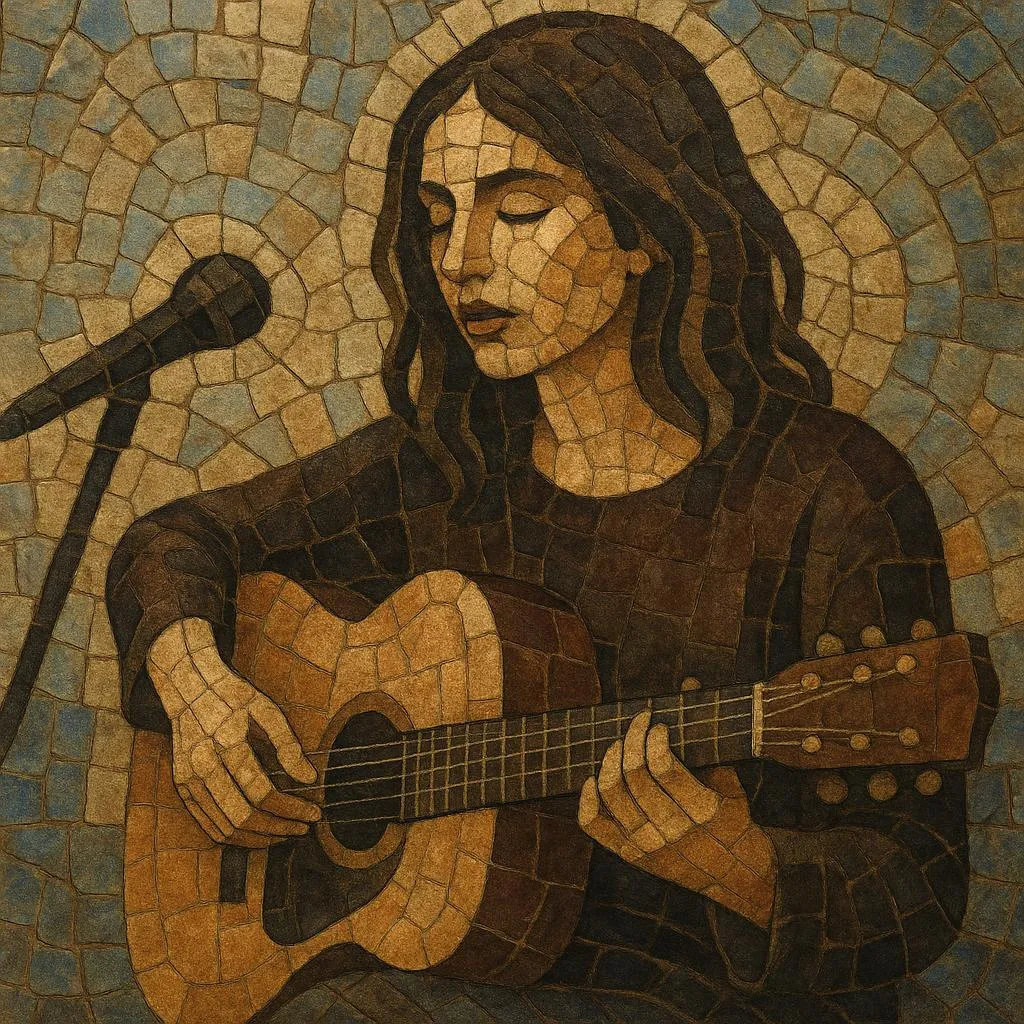
Arrangements are usually intimate and austere: a clear vocal line supported by guitar or piano, sometimes enriched by bardic or folk timbres such as lute, Celtic harp, kanklės/zither, violin, or light chamber textures. Melodies tend to be delicate, the harmony supportive rather than showy, and the delivery prioritizes intelligibility of the text and its prosody.
Performers range from singer‑songwriters who compose both text and music to interpreters (including actors and poets) who set or commission music for canonical or contemporary poems. The result is a broad, porous practice that bridges art song, folk balladry, and cabaret, while remaining centered on the poem itself.
History
Sung poetry coalesced as a recognizable movement in the 1960s, particularly in Poland and Lithuania. It drew on long-standing European practices of setting poetry to music (art song) and on mid‑century folk revivals and cabaret stages that favored small ensembles and text-forward performance. University clubs, student cabarets, and literary circles provided crucial venues where poets and musicians collaborated.
By the 1970s, sung poetry had become an important cultural current. In Poland, artists such as Ewa Demarczyk and Marek Grechuta popularized sophisticated poetic settings, while Jacek Kaczmarski exemplified a strand that intertwined poetry with social and political commentary. In Lithuania, Vytautas Kernagis helped define dainuojamoji poezija, nurturing festivals and a repertoire that emphasized national literature and gentle, folk‑tinged accompaniment.
After the political transformations of the late 20th century, sung poetry continued in clubs, theaters, and festivals, embraced by new generations who blended it with chamber folk, contemporary singer‑songwriting, and light jazz harmony. While its instrumentation and production have modernized, the genre’s core remains stable: musical structures crafted to honor poetic rhythm, imagery, and narrative.
Because it is defined more by approach than by strict musical markers, sung poetry encompasses singer‑songwriters, classically trained interpreters, actors, and poets. Repertoires range from adaptations of classic verse to collaborations with living writers, maintaining the central idea that music is composed to serve the poem.