Description
Spanish post-punk was a national scene within post-punk, not a single, uniform Spanish sound. Its darker and more experimental currents formed an alternative side of the Movida, with groups active in several parts of Spain. The music associated with the scene also overlaps with dark pop and the gothic or siniestra scene.
The scene ranged from short-lived bands to groups that later found wider commercial success. Independent labels helped document music that, according to Décima Víctima’s Carlos Entrena, conservative record companies of the time were not presenting.
Based on: jenesaispop.com, muzikalia.com
More on: Every Noise at Once
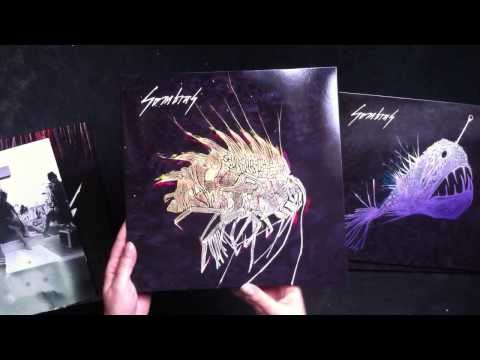
SOMBRAS Spanish Post-punk and Dark Pop 1981-1986
Munster Records

Are there any Spanish Goth, Post-Punk or Darkwave bands?
Dôrmencē
History
Early scene
Spanish groups working in post-punk and gothic territory emerged in the early 1980s. The scene developed in places including Madrid, Barcelona, Galicia, Valencia and the Basque Country, alongside the broader cultural activity of the Movida. Bands drew inspiration from artists including Joy Division, The Cure, The Birthday Party and Einstürzende Neubauten.
Artists and independent labels
Parálisis Permanente, Décima Víctima, Derribos Arias and Aviador Dro were among the names associated with this darker side of the period. The early work of Gabinete Caligari and Los Coyotes also belonged to its orbit before those groups developed their own identities and reached a larger audience. Carlos Entrena of Décima Víctima founded Grabaciones Accidentales, one of the independent labels involved in presenting contemporary Spanish music.
Retrospective view
In 2013, Munster Records released Sombras: Spanish Post-Punk + Dark Pop (1981–1986), a compilation that brought together 42 Spanish bands from the period. It offers a view of a scene in which some groups became cult names while others released very little before disappearing.
Start with the scene’s range
Aim for the darker side of post-punk, keeping in mind that this was a varied national scene rather than a fixed recipe. You could explore the overlap between post-punk and dark pop, or take a more abrasive and experimental direction. The scene’s influences included both atmospheric bands and more confrontational performers.
Build an arrangement
A common post-punk approach is to give the bass a prominent, repeating part and let the drums establish a steady, insistent pulse. You could add sparse guitar figures, using space and repetition to create tension rather than filling every gap.
Shape the atmosphere
Try contrasting a restrained vocal delivery with a more urgent instrumental section, or use synthesizer textures alongside the rhythm section for a darker pop setting. Keep the arrangement flexible: a concise, direct song and a more experimental piece can both draw on the wider post-punk tradition.