Your digging level
Description
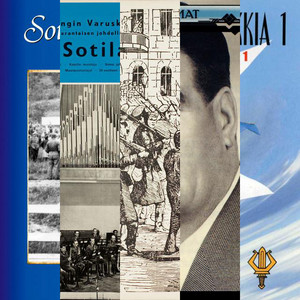
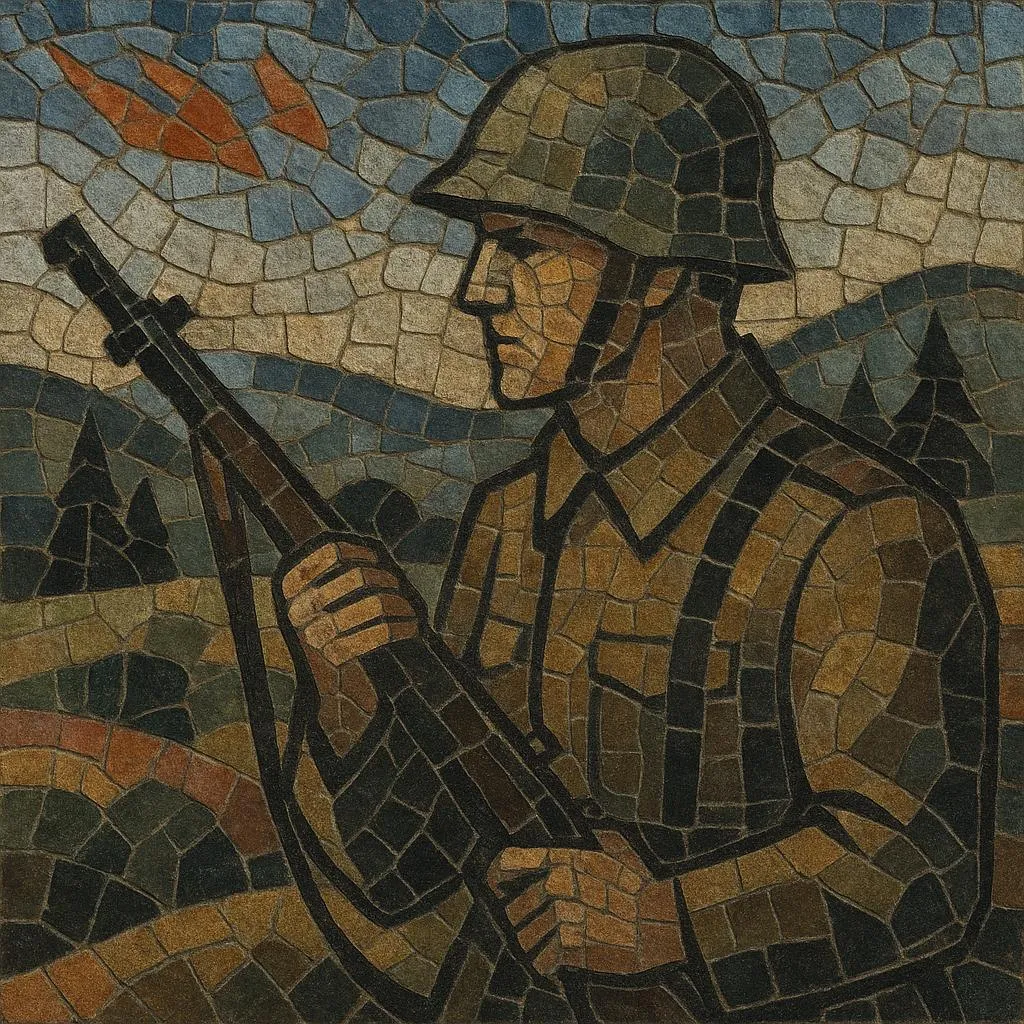
Sotalaulut (Finnish "war songs") are the body of Finnish military songs and marches associated with the country’s independence era and 20th‑century wars. They include recruiting and regimental songs, patriotic and commemorative choral numbers, and brass‑band marches performed by military and civic ensembles.
Stylistically, sotalaulut blend march rhythms and brass‑band sonorities with the Finnish choral tradition and iskelmä/schlager melody. Texts (in Finnish and Swedish) center on homeland, duty, comradeship, loss, and remembrance, often framed with nature imagery. Performance forces range from men’s choirs (TTBB) and massed wind bands to solo baritones with piano, accordion, or small ensemble.
Today, sotalaulut function both as historical repertoire and living ceremony music in Finland—performed by military bands, veteran and student choirs, and community ensembles at national commemorations, parades, and concerts.
History
Finland’s struggle for independence (achieved in 1917) and the Civil War of 1918 catalyzed a distinctly Finnish corpus of military songs and marches. Existing European march and hymn traditions were adapted to Finnish language and prosody, and men’s choir culture in universities and civic groups provided a ready performance base.
Interwar Finland institutionalized military bands and ceremonial repertoire. New patriotic songs proliferated alongside popular iskelmä, and many composers and bandmasters wrote pieces that circulated via gramophone, radio, and community choirs. The idiom solidified: strophic, singable melodies over march rhythms with brass/woodwind color and TTBB choral settings.
The Winter War and Continuation War generated a surge of sotalaulut for morale, propaganda, and remembrance. Songs served at the front, on radio, and on the home front, marrying direct, accessible texts with memorable refrains and dotted march figures. The period produced many standards still performed at parades and memorials.
After 1945 the repertoire shifted from mobilizing to commemorating. Veterans’ choirs, municipal bands, and national military ensembles preserved the tradition. Arrangers re‑cast classic numbers for modern wind band and men’s chorus, while popular artists occasionally revived material in studio albums and televised concerts.
Sotalaulut remain embedded in Finnish ceremonial life—Independence Day events, remembrance services, and military occasions. Conservatories, garrisons, and community choirs maintain the repertoire, and contemporary recordings often present historically informed or symphonic wind arrangements.