Your digging level
Description
Son nica is a Nicaraguan popular style that adapts the Afro‑Cuban son template to local mestizo song and dance traditions. It is typically guitar-led, with a buoyant, syncopated groove for dancing, narrative and humorous lyrics, and catchy, call‑and‑response refrains.
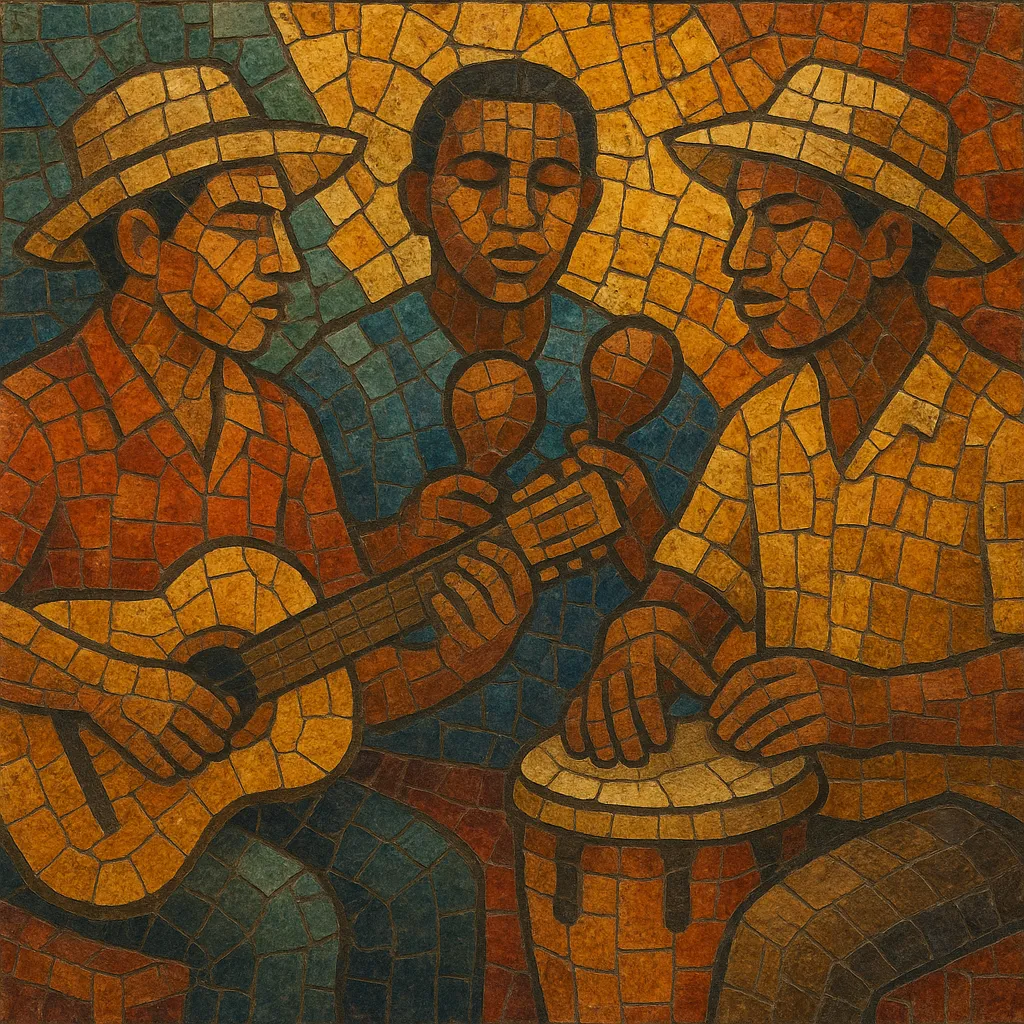
The style blends the clave-based propulsion and montuno feel of Cuban son with the melodic sensibility and harmonies found in Nicaragua’s waltzes, polkas, and mazurkas. Ensembles often feature lead and rhythm guitars (sometimes a requinto), upright or electric bass with a tumbao, maracas and güiro, bongó or hand percussion, and—on occasion—marimba de arco doubling riffs or providing color. Harmonically it favors I–IV–V progressions, bright major keys, and turnarounds that set up the coro/montuno.
History
Son nica emerged in the 1930s on Nicaragua’s Pacific side, as local musicians absorbed the popularity of Cuban son and reworked it with Nicaraguan song forms and dance rhythms. Composer-performers in Managua, León, and Granada shaped a distinctly Nicaraguan son with guitar-centered arrangements, colloquial storytelling, and locally inflected grooves.
Through mid‑century, the genre spread via live salons, town festivities, and especially radio. Bands codified a performance format with: verses that tell a costumbrista story about everyday characters and places; a catchy coro; and a montuno-like section where guitars repeat guajeo‑style patterns while singers trade lines with the chorus.
In the 1970s–80s, prominent Nicaraguan singer‑songwriters adopted son nica’s rhythmic bed and songcraft for new repertoire that balanced danceability with social commentary. This period widened the lyric range—humor and romance remained, but topical and testimonial themes also took root—while keeping the genre’s core groove and call‑and‑response energy.
Today, son nica endures as a cornerstone of Nicaragua’s popular/folk repertoire. Newer artists and ensembles reinterpret classics, integrate marimba or contemporary production, and bring the style to festivals and cultural programs, keeping its danceable swing and storytelling spirit central.

%20-%20El%20Salvador%2C%20Cover%20art.webp)