Your digging level
Description
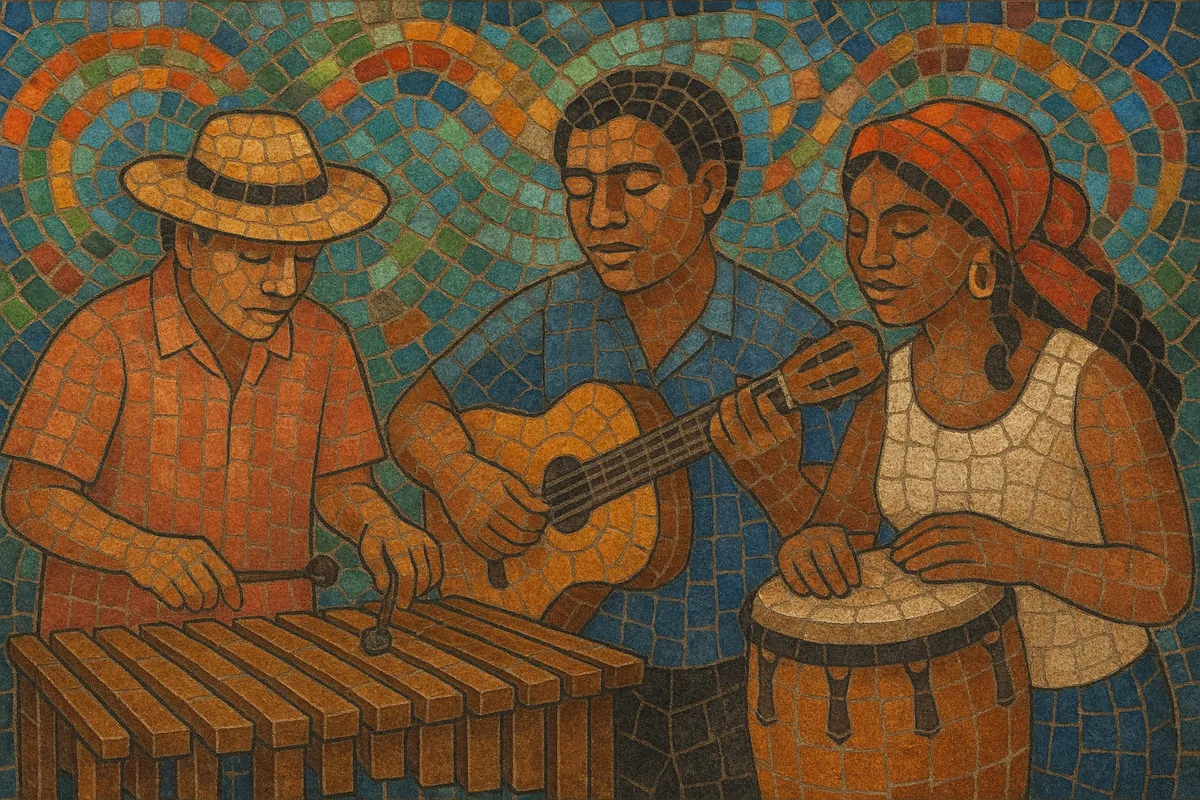
Música nicaragüense is an umbrella term for Nicaragua’s popular and traditional music, spanning Pacific, Central, and Caribbean coastal cultures. It brings together marimba-led waltzes and polkas, rural guitar sones (son nica), and Afro-Caribbean rhythms like Palo de Mayo and calypso from the Atlantic Coast.
Stylistically it blends Spanish-derived dance forms (vals and mazurkas), Latin romantic idioms (bolero), pan–Latin genres (cumbia, son cubano), and coastal Creole influences (calypso, reggae). In the late 20th century, socially engaged cantautores helped shape a distinctly Nicaraguan strand of nueva canción, while contemporary bands fuse tradition with rock, pop, and electronic textures.
History
Nicaragua’s Pacific and central regions absorbed European salon dances brought in the 19th century, notably the waltz and mazurka, which were adapted to local marimba ensembles and rural string groups. By the 1930s, composer-singer Camilo Zapata synthesized rural melodies and dance rhythms into son nica, articulating a recognizably Nicaraguan popular song form.
On the Caribbean side, Afro-Creole communities developed vibrant festival music such as Palo de Mayo, alongside calypso- and mento-influenced repertoire. These styles contributed buoyant, syncopated grooves and call-and-response vocals that increasingly cross-pollinated with Pacific-region popular music through recordings and national radio from the mid-20th century onward.
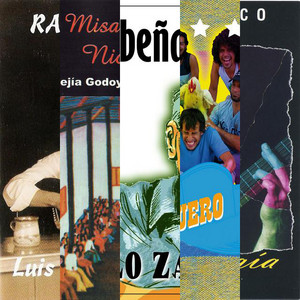
Amid social upheavals, singer-songwriters including Carlos Mejía Godoy and Luis Enrique Mejía Godoy blended folk dance forms (marimba waltzes, son nica) with pan–Latin protest song aesthetics. Their repertoire became emblematic of national identity and helped codify a modern canción nicaragüense that resonated across Latin America.
Since the 1990s, artists have mixed cumbia and son nica with rock, pop, and electronic production. Bands like La Cuneta Son Machín fold brass, percussion, and electric instruments into traditional grooves, while coastal groups modernize Palo de Mayo with reggae and soca colors. The result is a plural, interregional sound that remains rooted in local forms while engaging global Latin music currents.