Your digging level
Description
Son calentano is a largely instrumental dance music from the Tierra Caliente region of Mexico (principally Guerrero, Michoacán, and the State of Mexico).
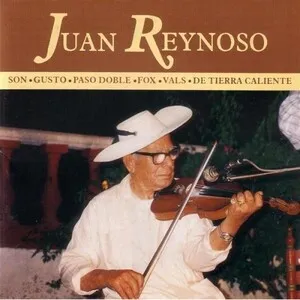
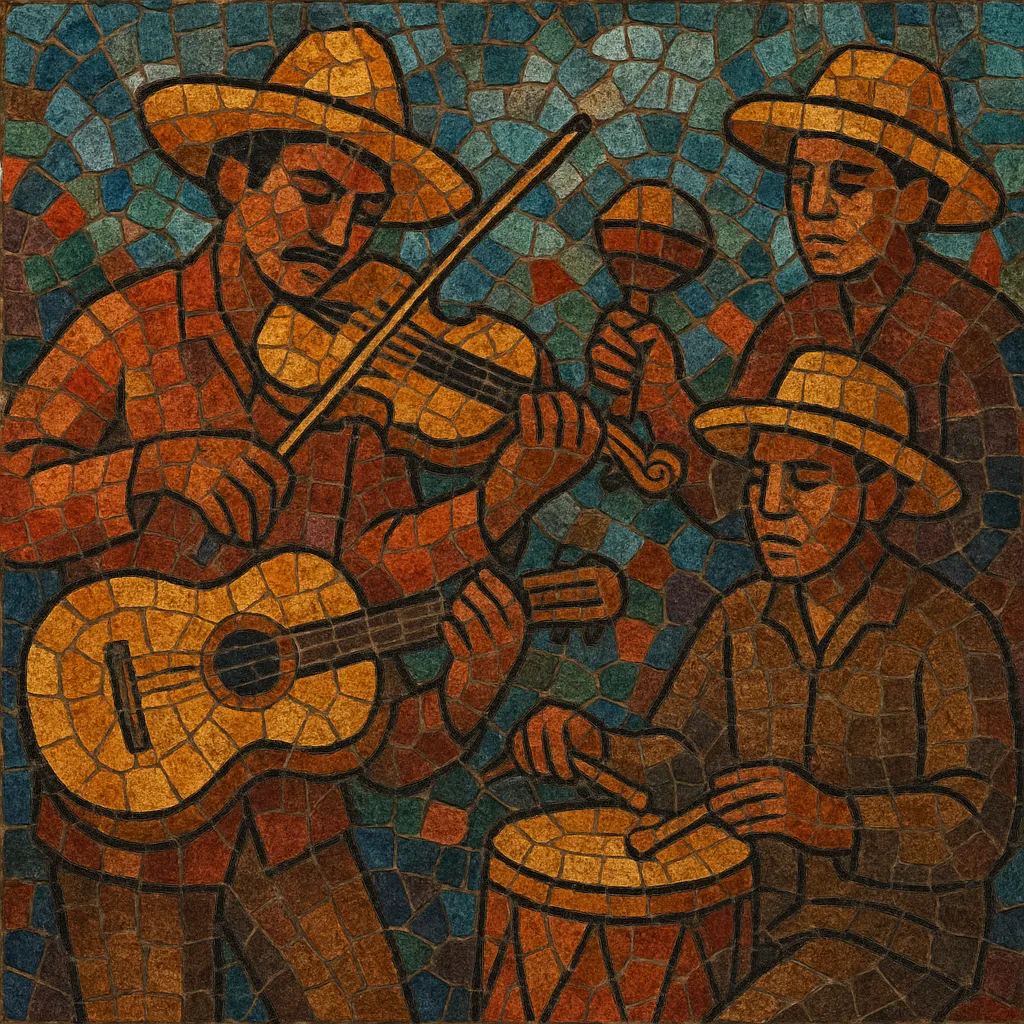
It is led by an ornamented, highly agile violin voice accompanied by strummed guitars and a small double‑headed drum called tamborita. Its hallmark metric feel is the sesquialtera (the interplay between 3/4 and 6/8), with backbeats or off‑beat accents marked by the guitar and tamborita. Performances are commonly by conjunto calentano ensembles and are traditionally paired with dancers who stomp on a wooden platform (tarima), adding percussive drive to the texture.
History
Son calentano belongs to the wider family of Mexican son traditions that formed during the colonial period through the blending of Iberian dance forms and local practice. Its recognizable profile solidified in the 19th century in the Tierra Caliente, when the violin became the principal melodic instrument and small local conjuntos standardized instrumentation around violin(s), guitar(s), and tamborita.
Repertoires known as sones and gustos crystallized with characteristic sesquialtera (3/4 and 6/8 interplay), brisk tempi, and a buoyant, dance‑forward feel. The dance tradition—dancers stomping on a tarima—functions as both spectacle and rhythm section, reinforcing the off‑beats and metric cross‑rhythms that define the style. Tunes circulate locally with many variants, and fiddlers cultivate a personal, highly ornamented style featuring trills, mordents, slides, and rapid arpeggiation.
In the mid‑to‑late 20th century, maestros from Guerrero and neighboring states brought son calentano to regional radio, recordings, and festivals, which helped fix a modern performance format often billed as conjunto calentano. Family lineages of violinists, especially the Salmerón and Tavira families, profoundly shaped repertory and technique.
Son calentano remains vital in community fiestas, fandangos, and stage presentations. Contemporary ensembles continue to foreground the violin’s florid voice, the driving strum of guitars, and the crisp backbeat of the tamborita, while dancers’ zapateado keeps the genre’s social, participatory core intact.

Top albums

%2C%20Cover%20art.webp)