


Your digging level
For this genre
0/8
🏆
Sign in, then listen to this genre to level up
Description
São Paulo queer underground is a club scene rather than a single musical style. Emerging in Brazil’s largest city in the 2010s, it brings together collectives, DJs, labels and dancers around LGBTQ+ diversity, social resistance and experimentation. Its culture overlaps with drag, peripheral ballroom and fashion.
Its music moves among techno and house and is closely connected to funk mandelão. Powerful basslines, syncopated rhythms and hypnotic loops can meet minimal or mechanical textures, bright funk-derived synth sounds and influences from other club music. DJ sets may also be highly performative, with anthemic lyrics and a provocative, political edge. The atmosphere ranges from introspective and melancholic to explosive and euphoric.
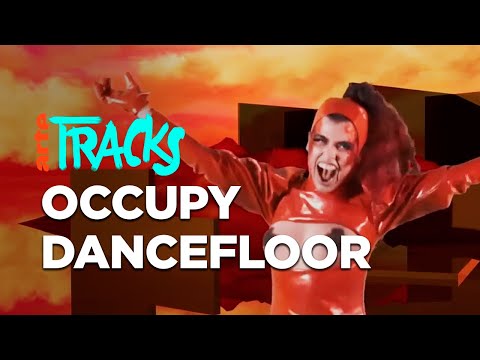
Besetzungen & Partys gegen Gentrifizierung: Occupy Dancefloor (Amsterdam & São Paulo) | Arte TRACKS
Arte TRACKS
History
Emergence
The scene emerged in São Paulo in the early to mid-2010s as a network of collectives developing their own artistic directions. Among the groups involved in its expansion were Mamba Negra, associated with Cashu and Teto Preto, and Bandida, associated with Badsista.
Spaces and culture
Parties made use of neglected urban spaces, including abandoned factories and warehouses in the city’s former industrial zone. Fabriketa and Fábrica de Impressões were among the venues; LGBTQ+ nightclubs such as ZIG Studio also helped popularize the scene. Drag performance, ballroom culture and fashion formed part of its wider cultural setting.
Continuing influence
The scene remains an evolving network rather than a movement with a stated endpoint. Its reach has extended beyond the underground through collaborations with artists bringing rave elements into rap and funk, including Linn da Quebrada and Jup do Bairro, as well as drag performer Pabllo Vittar. Artists and DJs including White Prata and Slim Soledad are among those associated with its continuing work.
Build a club foundation
Work from techno, house or funk mandelão rather than treating the scene as a fixed recipe. Start with a strong bassline and a repeating rhythmic idea; use syncopation and hypnotic loops to create momentum. Minimal or mechanical textures can leave room for the bass and rhythm to drive the track.
Shape the contrast
Try bright, high-pitched synth details or funk-inspired electronic sounds against a darker, more restrained backdrop. You could draw on other club forms for rhythmic variation, shifting between introspective passages and more explosive sections without losing the dance-floor focus.
Think about performance
For a track intended for a DJ set, arrange elements so loops can build tension and make changes in energy feel deliberate. Vocals or anthemic phrases can add a provocative or political dimension, while leaving space for the theatrical, performative atmosphere associated with the scene.
Users’ favorites
Tracks
Share your favorite track to see the other users’ ones
Artists
Share your favorite artist to see the other users’ ones
Albums
Share your favorite album to see the other users’ ones
Upcoming concerts
in this genre
Influenced by


Has influenced
No genres found
