Your digging level
Description
Samba de terreiro is the urban samba sung and played in the courtyards ("terreiros") and rehearsal spaces (quadras) of Rio de Janeiro’s samba schools. Unlike the long, narrative sambas written specifically for the parade, these are short, circular songs with catchy refrains about everyday life, love, neighborhood pride, and moments of joy or melancholy.
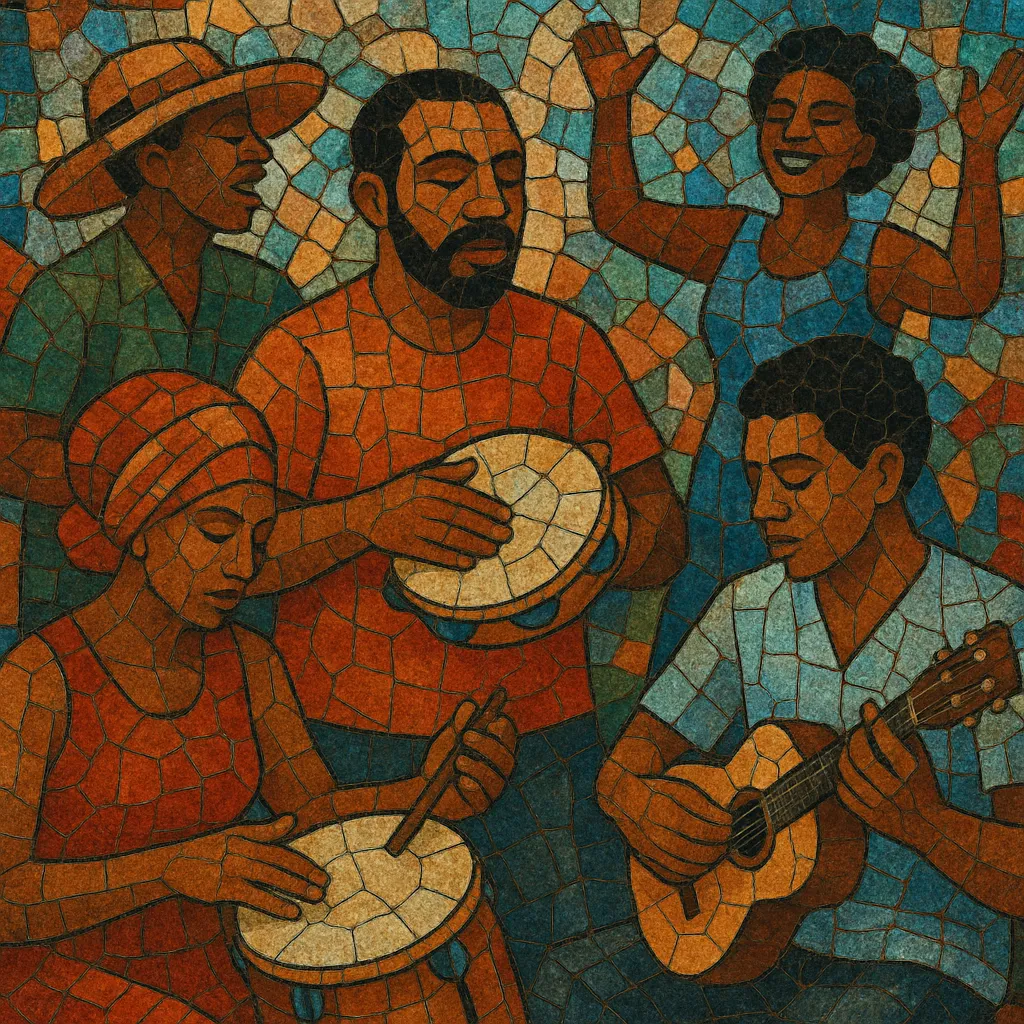
Built on a relaxed but swinging groove, samba de terreiro combines call-and-response vocals, tamborim and pandeiro patterns, and the bright strum of cavaquinho and guitars. It functions as the samba school’s social soundtrack—music for gathering, dancing, and strengthening community ties outside the avenue.
History
Samba de terreiro emerged alongside the first Rio samba schools (like Deixa Falar, Mangueira, Portela, and Estácio) at the turn of the 1930s. In the schools’ terreiros and neighborhood yards, composers crafted compact sambas with memorable refrains to animate rehearsals, parties, and communal gatherings. These pieces reflected Afro‑Brazilian musical practices (call-and-response, percussion-driven swing) and drew on earlier urban samba, maxixe, choro, and the religious/ritual rhythms heard in Candomblé.
As samba schools professionalized, samba de terreiro became their everyday musical language—distinct from the annual parade’s samba-enredo. Legendary composers from Mangueira, Portela, and Império Serrano authored dozens of short sambas celebrating love, friendship, and the school’s community. The form’s conviviality and danceability made it central to social life in the quadras.
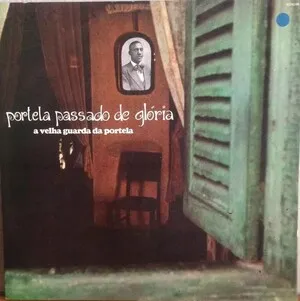
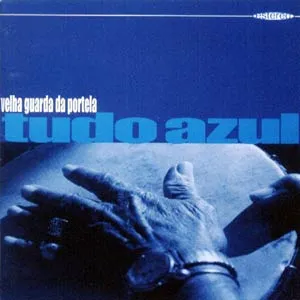
From the late 1960s onward, samba-enredo and the broader music industry gained visibility, while samba de terreiro remained mostly tied to community practice. Guardians such as the Velha Guarda da Portela, Candeia, Monarco, and Cartola helped preserve the style in recordings and live rodas, ensuring its aesthetics—compact form, strong refrains, conversational poetry—remained vibrant.
Revivalist rodas and samba-school projects continue to foreground samba de terreiro as a living, communal genre. New generations study classic compositions, while contemporary sambistas write fresh terreiro sambas that keep the focus on the neighborhood, affection, and everyday stories.