Your digging level

For this genre
0/8
🏆
Sign in, then listen to this genre to level up

Description

Samba-exaltação is a grand, anthem-like branch of Brazilian samba that emerged in the late 1930s.

It blends the syncopated swing of samba with march-like accents, sweeping orchestral arrangements, and large choral refrains to create an uplifting, patriotic atmosphere.

Lyrically, it exalts the Brazilian nation—its landscapes, people, cities (especially Rio de Janeiro), and cultural symbols—often in vivid, picturesque language.

Characterized by medium tempos, bright major-key harmonies, brass fanfares, and climactic modulations, it was a perfect fit for radio, film musicals (chanchadas), and carnival spectacles of the era.

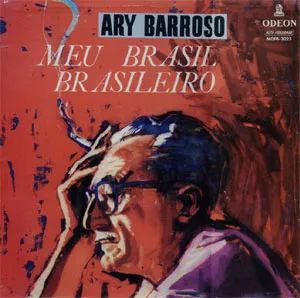
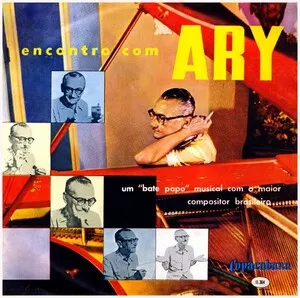
Iconic songs like Ary Barroso’s "Aquarela do Brasil" set the template, making the style synonymous with national pride and celebratory pageantry.


Sources: Spotify, Wikipedia, Discogs, Rate Your Music, MusicBrainz, and other online sources

History

Origins (late 1930s)

Samba-exaltação arose in Brazil during the Estado Novo period, when radio orchestras, studio crooners, and carnival spectacles favored grand, affirmative songs about the nation. The syncopation of samba was fused with march-like accents and cinematic orchestration. Ary Barroso’s 1939 hit "Aquarela do Brasil" crystallized the style: expansive melodic arcs, brass fanfares, key changes, and lyrics that paint Brazil as a radiant, unified country.

Media and popularization

The genre flourished on national radio and in chanchada film musicals, where large ensembles and choirs amplified its anthemic quality. Internationally, "Aquarela do Brasil" appeared in Walt Disney’s Saludos Amigos (1942), helping export the image of a modern, exuberant Brazil. Companion pieces such as "Canta Brasil" (1941), "Brasil Pandeiro" (1940), and city-praising songs like "Cidade Maravilhosa" (often heard at carnival) reinforced the celebratory formula.

Aesthetic traits

Arrangements typically combined samba’s percussion (surdo, pandeiro, tamborim, cuíca) with full brass sections, strings, and choirs. Medium tempos, bright major keys, secondary dominants, and rousing modulations underlined the triumphant mood. Refrains often used call-and-response and massed voices to create a communal, stadium-anthem feeling.

Legacy

While samba-canção and bossa nova later shifted Brazilian popular music toward intimacy and subtlety, samba-exaltação’s blueprint for spectacle influenced carnival samba-enredo writing and many MPB-era reinterpretations of classic patriotic sambas. The genre remains a cultural touchstone whenever Brazil’s national imagery is celebrated in song.

How to make a track in this genre

Rhythm and tempo
•   Use a medium tempo (roughly 90–120 BPM). Keep a samba groove with clear syncopation in the percussion, but add occasional march-like accents to enhance the ceremonial feel. •   Core percussion: surdo (foundation), pandeiro, tamborim, cuíca, agogô. Keep the swing buoyant and danceable.
Harmony and melody
•   Favor major keys and bright tonal centers. Employ secondary dominants and modulations (often up a semitone or whole tone) to lift the final refrain. •   Write long, arching melodies that invite mass singing; aim for memorable, hymn-like refrains that repeat the song’s central slogan (often including the word “Brasil”).
Instrumentation and arrangement
•   Combine a samba bateria with a big-band palette: brass fanfares (trumpets/trombones), woodwinds, strings, piano, acoustic guitar, and a choir for climactic sections. •   Orchestrate introductions with a short fanfare, then thin out for verses, building density and register toward the chorus and final key change.
Lyrics and themes
•   Celebrate Brazil’s geography, people, urban icons (e.g., Rio), and cultural emblems. Use vivid, picturesque imagery and inclusive language that invites collective pride. •   Keep the tone optimistic and ceremonial; avoid irony. Rhyme schemes should be clear and scan well when sung by large groups.
Form tips
•   Common layout: Intro fanfare → Verse (scene-setting) → Pre-chorus (rising harmony) → Exalting Chorus (memorable slogan) → Modulation → Final Chorus with choir. •   Use call-and-response between soloist and chorus to emphasize communal exaltation.
Performance
•   Lead vocals should be clear and declamatory, with crisp diction. Support with backing choir in refrains. •   Emphasize dynamic contrast: intimate verses versus full-ensemble, high-dynamic choruses.

Top tracks

Locked
Share your favorite track to unlock other users’ top tracks
Influenced by
Has influenced
Challenges
Digger Battle
Let's see who can find the best track in this genre
© 2026 Melodigging
Melodding was created as a tribute to Every Noise at Once, which inspired us to help curious minds keep digging into music's ever-evolving genres.
Buy me a coffee for Melodigging