Your digging level
Description
Salegy is a high-energy popular music and dance style from Madagascar, rooted in the folk traditions of the island’s northwestern coastal communities (notably Sakalava and Antakarana).
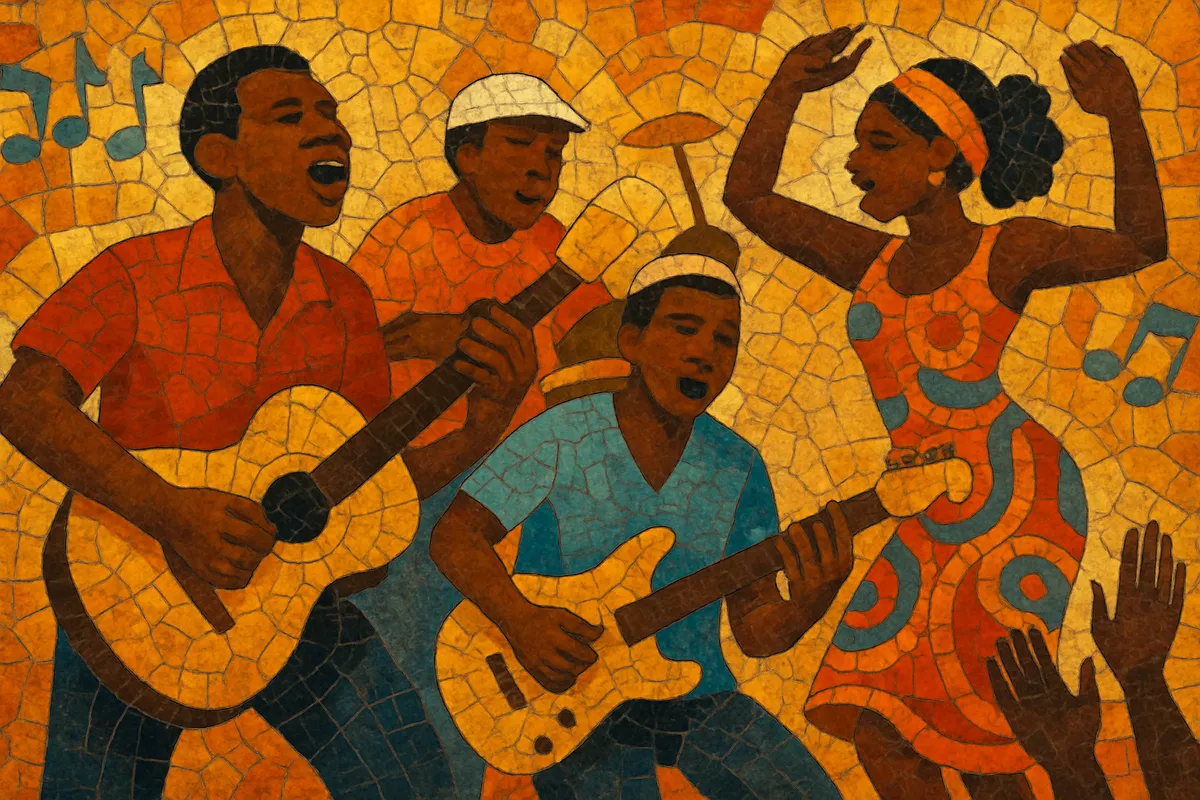
Modern salegy is marked by rich, harmonized call‑and‑response vocals and bright, chiming electric guitars that interlock over driving 6/8 (often felt as 12/8) rhythms. Bass and drum kit lock into a propulsive groove, often supported by kabosy (box guitar), marovany (box zither), hand percussion, and animated clapping.
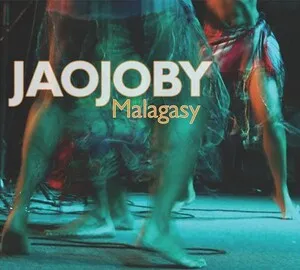
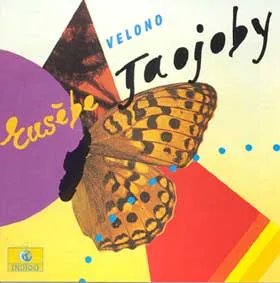
From the 1980s onward, salegy became the Malagasy genre with the broadest international visibility. Eusèbe Jaojoby—widely called the “King of Salegy”—was central to codifying the modern, electrified sound that has come to symbolize contemporary Malagasy popular music.
History
Salegy has deep foundations in community dance and vocal traditions of northwestern Madagascar, particularly among Sakalava and Antakarana peoples. Pre-electric salegy drew on cyclical, trance‑leaning rhythms in 6/8, communal clapping, and responsorial singing. Instruments such as the kabosy and marovany established the interlocking patterns and timbral colors later translated to modern bands.
As amplification and electric instruments spread across the western Indian Ocean, Malagasy musicians adapted local dance forms to guitars, bass, and drum kit. In coastal cities like Mahajanga and Antsiranana, bands refined salegy’s brisk 6/8 into a concert-ready style with chiming guitar arpeggios and tightly arranged vocal harmonies. Influences from Congolese rumba/soukous and Indian Ocean dance currents (e.g., kwassa kwassa, sega, maloya) informed arrangement and stagecraft while the core Malagasy rhythmic identity remained intact.
Eusèbe Jaojoby emerged as a defining voice, popularizing salegy nationally and abroad through recordings and tours. His ensembles standardized the sound—layered vocals, sparkling guitars, and relentless 6/8 drive—making salegy the most internationally recognized Malagasy genre. A new generation of artists (e.g., Wawa, Ninie Doniah, Vaiavy Chila) expanded its reach on radio, television, and the world‑music festival circuit.
Salegy remains a centerpiece of Malagasy popular culture and diaspora events, while continuing to evolve. Younger bands incorporate pop production, keyboards, and club‑oriented low end without sacrificing the signature call‑and‑response vocals and circular, dance‑forward grooves. The genre’s symbolism as an emblem of Madagascar’s modern sound endures on global stages.



Best playlists