Your digging level

For this genre
0/8
🏆
Sign in, then listen to this genre to level up

Description

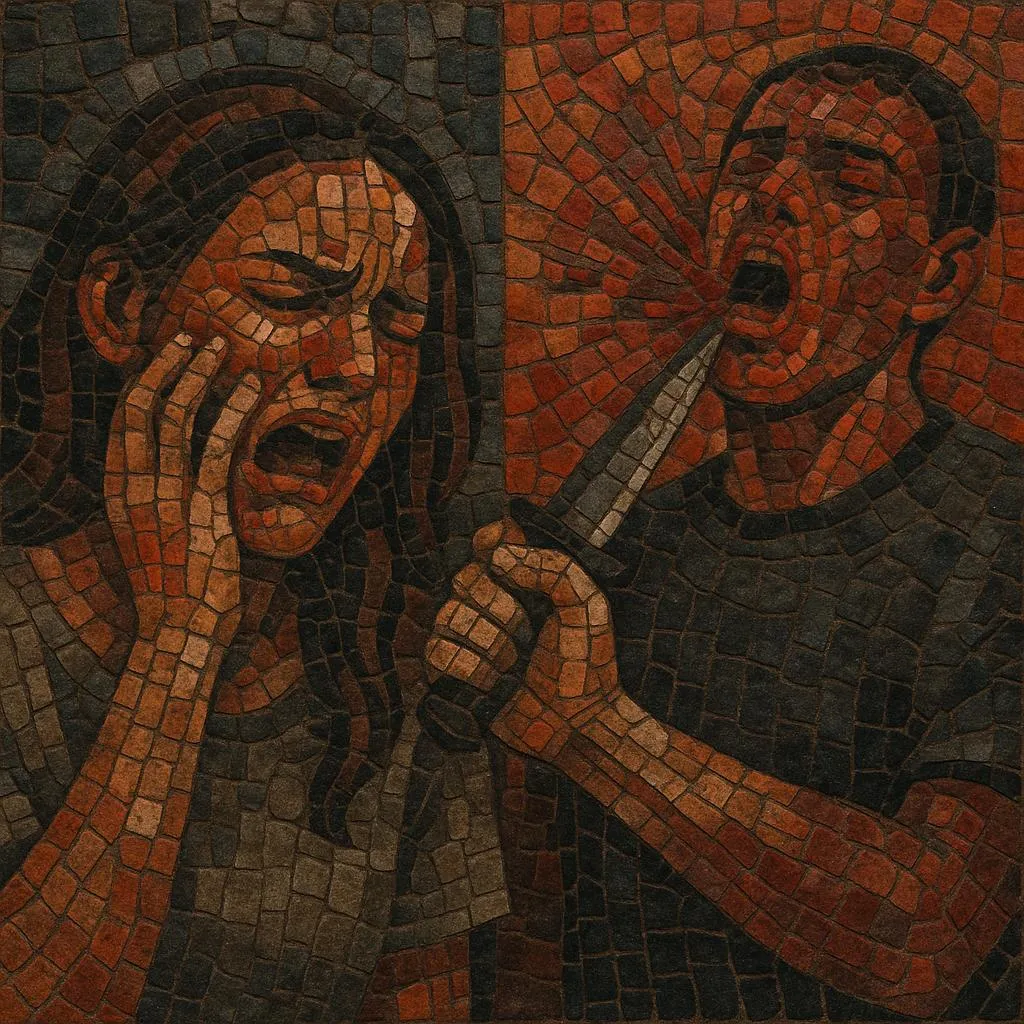
Rape-and-revenge is a controversial film subgenre whose core narrative depicts a survivor of sexual assault and related abuse who later takes retributive action against the perpetrator(s). Stories typically unfold in three broad movements: the assault (often implied or handled off-screen in modern works), the survivor’s physical and psychological aftermath and preparation, and a revenge phase that reframes agency and power.

Aesthetically, the subgenre ranges from gritty, low-budget exploitation roots to contemporary arthouse and prestige treatments that foreground survivor perspective, trauma, and social critique. Modern entries frequently subvert voyeuristic tropes, emphasize consent and accountability, and avoid sensationalism by centering the survivor’s subjectivity and fallout rather than the crime itself.

Content note: discussions of this genre involve sexual violence, which should be addressed with care and without graphic detail.


Sources: Spotify, Wikipedia, Discogs, RYM, MB, user feedback and other online sources

History

Origins (1970s)

The rape‑and‑revenge template coalesced in the early 1970s within grindhouse and exploitation circuits, where low‑budget productions explored transgressive subject matter. Key early titles include The Last House on the Left (1972, dir. Wes Craven), Thriller – A Cruel Picture (1973, dir. Bo Arne Vibenius), and I Spit on Your Grave (1978, dir. Meir Zarchi). These films established the tripartite arc (assault–recovery–retaliation) and a stark, often raw visual style. Related works like Straw Dogs (1971, dir. Sam Peckinpah) helped popularize vigilante and home‑invasion permutations that overlapped with the subgenre.

Consolidation and Reassessment (1980s–2000s)

Through the 1980s and 1990s, directors such as Abel Ferrara (Ms .45, 1981) refined urban, neo‑noir inflections while debates intensified around exploitation versus critique. The 2000s brought deconstructions and art‑cinema treatments—e.g., Irreversible (2002, dir. Gaspar Noé) and Hard Candy (2005, dir. David Slade)—that foregrounded form, perspective, and ethics, often minimizing on‑screen depiction of assault and centering aftermath and power dynamics.

Contemporary Reframings (2010s–present)

A new wave emphasizes survivor point‑of‑view, social systems, and accountability, frequently helmed by women filmmakers. Examples include Revenge (2017, dir. Coralie Fargeat), The Nightingale (2018, dir. Jennifer Kent), and Promising Young Woman (2020, dir. Emerald Fennell). These films adopt modern genre grammars (psychological horror, neo‑noir, prestige thriller) while rejecting sensationalism, engaging themes of trauma, complicity, and justice. The subgenre’s influence extends across vigilante thrillers, psychological horror, and neo‑noir stylistics in global cinema.

How to make a track in this genre

Narrative Architecture
•   Structure around three movements: (1) violation and loss of agency (handled with utmost discretion and without graphic depiction), (2) aftermath and rebuild (internal/psychological focus), and (3) retaliation and restored agency. •   Prioritize the survivor’s perspective. Use framing, sound, and point‑of‑view to center their experience rather than the crime.
Cinematic Language
•   Visual tone: gritty realism (handheld, naturalistic lighting) or stylized neo‑noir (high contrast, color signaling) depending on thematic intent. •   Sound design: emphasize subjective aural spaces—ringing, muffled ambience, heartbeats—to convey trauma and dissociation without explicit imagery.
Ethical Considerations
•   Avoid sensationalism and voyeurism. Imply rather than show; foreground consequences, healing, and agency. •   Collaborate with sensitivity readers/consultants and use content warnings. Ensure depictions serve critique and character, not shock value.
Music and Score
•   Instrumentation: tense strings (sul ponticello, harmonics), low drones, prepared piano, sparse synth pads, and granular textures to convey dread and aftermath; sharper percussion or distorted guitar for the revenge phase. •   Harmony: cluster chords, slow dissonant suspensions, and pedal tones for unease; cautiously introduce consonance or a modal center as agency returns. •   Rhythm: irregular pulses and rubato in aftermath sequences; measured, intensifying ostinati during planning; tighter, driving rhythms for confrontation. •   Leitmotifs: distinct motifs for trauma (fragmented, intervallic), resolve (steady, ascending shapes), and perpetrator (unstable chromatic cells). Allow the survivor’s motif to evolve toward stability during the finale.
Editing and Pacing
•   Use elongation (long takes, sparse cueing) to depict shock and recovery; compress time with percussive edits and rhythmic scoring in the revenge phase to externalize resolve rather than gore.
Theme and Dialogue
•   Frame dialogue and plot around consent, complicity, and systemic barriers to justice. Let the revenge phase interrogate power structures as much as individual wrongdoing.

Top tracks

Locked
Share your favorite track to unlock other users’ top tracks

Upcoming concerts

in this genre
Influenced by
Has influenced

Download our mobile app

Get the Melodigging app and start digging for new genres on the go
© 2026 Melodigging
Melodding was created as a tribute to Every Noise at Once, which inspired us to help curious minds keep digging into music's ever-evolving genres.
Buy me a coffee for Melodigging