Your digging level
Description
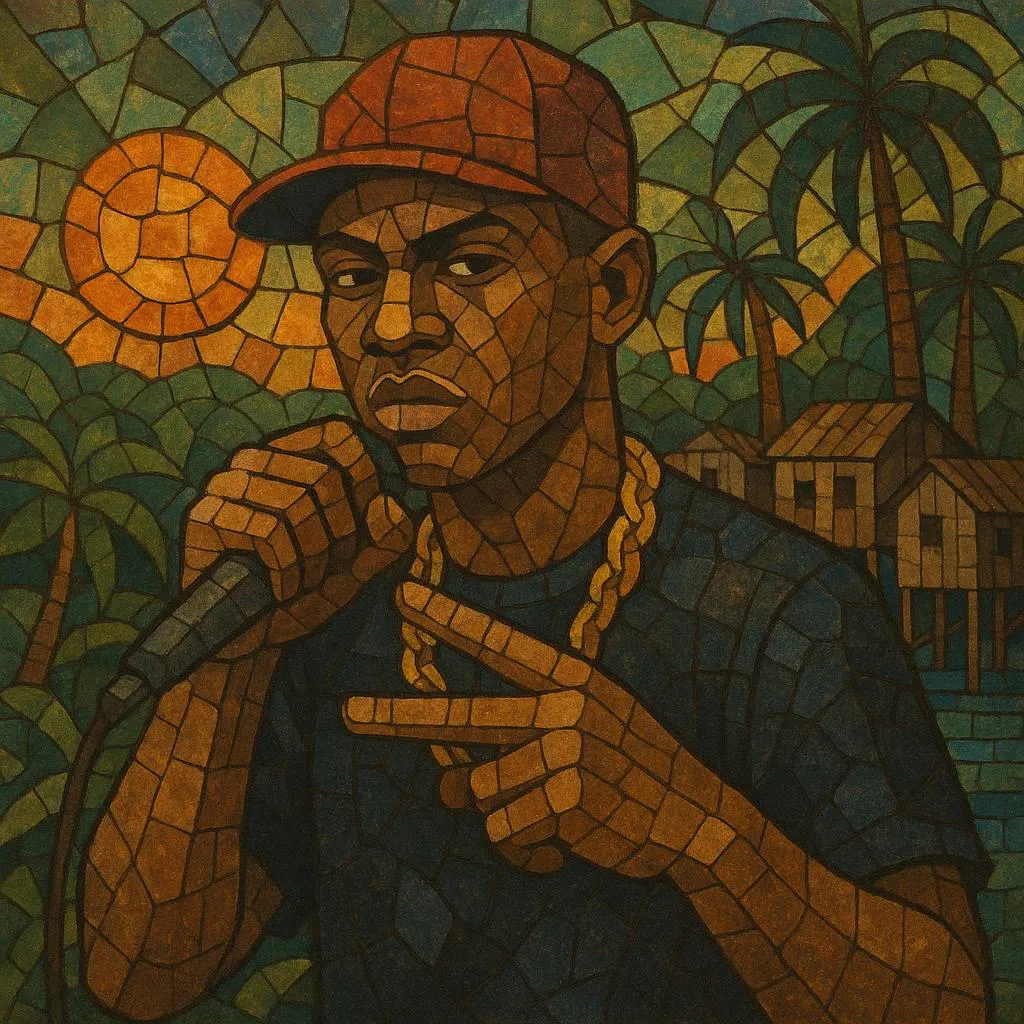
Rap Nortista is a subgenre of Brazilian hip hop originating from the North Region of Brazil (Região Norte), encompassing states such as Pará, Amazonas, Amapá, Acre, Rondônia, Roraima, and Tocantins. It is characterized by its lyrical focus on the unique socio-cultural reality of the Amazon, the 'caboclo' and indigenous identity, and the daily life in the peripheries and 'palafitas' (stilt houses) of northern cities. Musically, it often fuses traditional boom bap and trap beats with samples and rhythms from regional genres like Carimbó, Marabaixo, and Brega, creating a distinct sonic identity that challenges the dominance of the Southeast (Rio-São Paulo) axis in the Brazilian rap scene.
History
The history of Rap Nortista is deeply rooted in the expansion of hip hop culture across Brazil, which reached the Northern region in the late 1980s and 1990s, initially mirroring the styles of São Paulo and Rio de Janeiro.
In the 2000s, a distinct scene began to coalesce as local MCs and producers started to incorporate their own regional accent ('sotaque') and slang into their rhymes, moving away from imitating the Southeast. Collectives and crews in cities like Belém (Pará) and Manaus (Amazonas) began organizing local battles and events, fostering a sense of regional pride.
The 2010s marked a turning point with the rise of the internet, allowing Nortista artists to bypass traditional media gatekeepers. Artists like Victor Xamã and Nic Dias gained national attention by blending high-quality production with lyrics that spoke viscerally about the Amazonian experience, distinct from the urban narratives of the south. The movement 'Rap do Norte' became a political statement, asserting the region's place on the cultural map.
Today, Rap Nortista is a vibrant and diverse scene, ranging from the lo-fi, jazz-infused tracks of Amazonas to the aggressive, trap-influenced sounds of Pará. It continues to grow, with festivals and collectives dedicated to amplifying voices from the Amazon, addressing issues like environmental preservation, indigenous rights, and social inequality through the lens of hip hop.
Composing Rap Nortista involves a blend of contemporary hip hop techniques with regional Amazonian aesthetics.
Rhythm and Beats:
Start with a classic Boom Bap (90 BPM) or Trap beat foundation. To give it a 'Nortista' character, incorporate percussion samples from local genres like Carimbó (using the curimbó drum), Marabaixo, or Lundu. Syncopated rhythms typical of Northern folklore can be layered over the kick and snare.
Instrumentation:
Use samples of regional instruments such as the banjo, maracas, or brass sections typical of Brega music. Atmospheric sounds of the Amazon rainforest (rain, birds, river sounds) are often used to set the mood, especially in more introspective tracks.
Lyrics and Flow:
The lyrics should reflect the reality of the North. Use local slang (e.g., 'égua', 'pai d'égua', 'maninho') and address themes like life in the Amazon, resistance against prejudice, indigenous heritage, and the struggles of the periphery. The flow should embrace the local accent rather than hiding it.
Harmony:
Harmonies often draw from the melancholic yet danceable chord progressions of Brega or the hypnotic loops of indigenous chants, creating a sound that is both modern and deeply rooted in tradition.