Your digging level

For this genre
0/8
🏆
Sign in, then listen to this genre to level up

Description

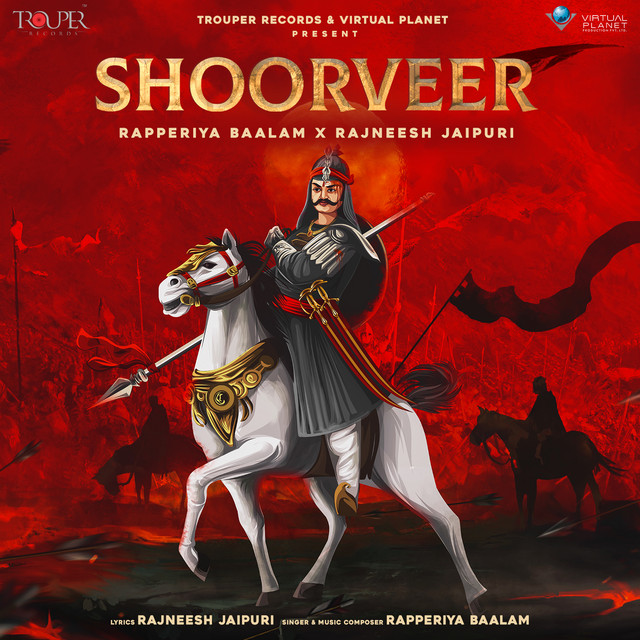
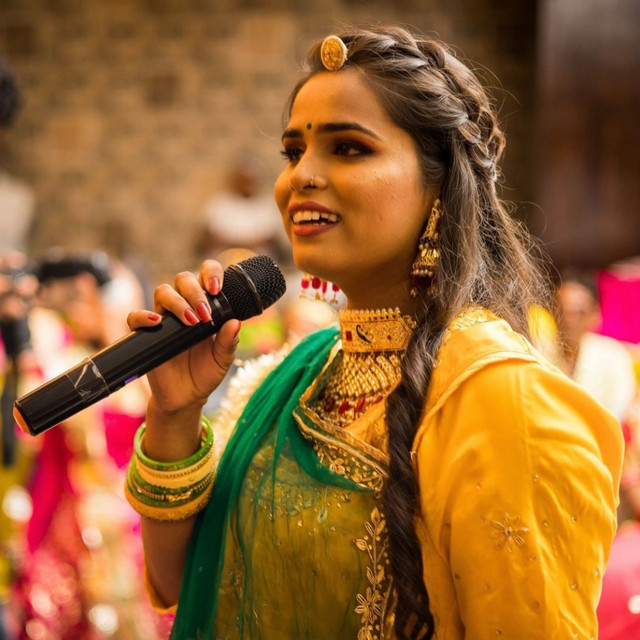
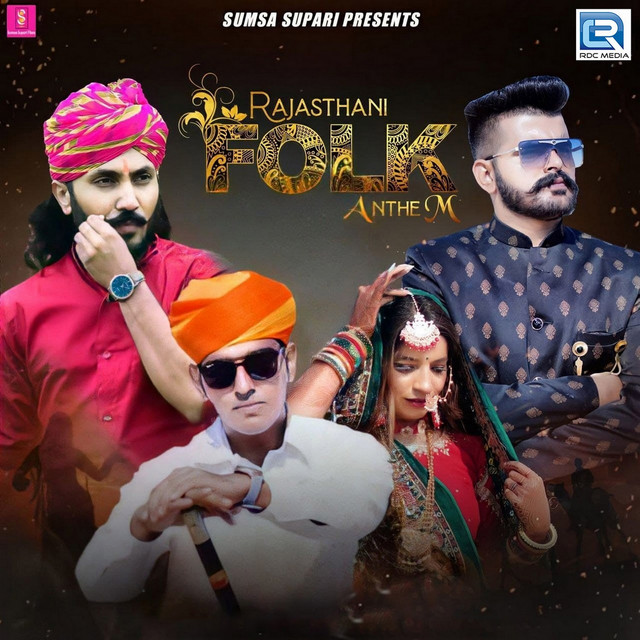
Rajasthani pop is contemporary popular music from India’s state of Rajasthan that blends local folk idioms with modern Indian pop production.

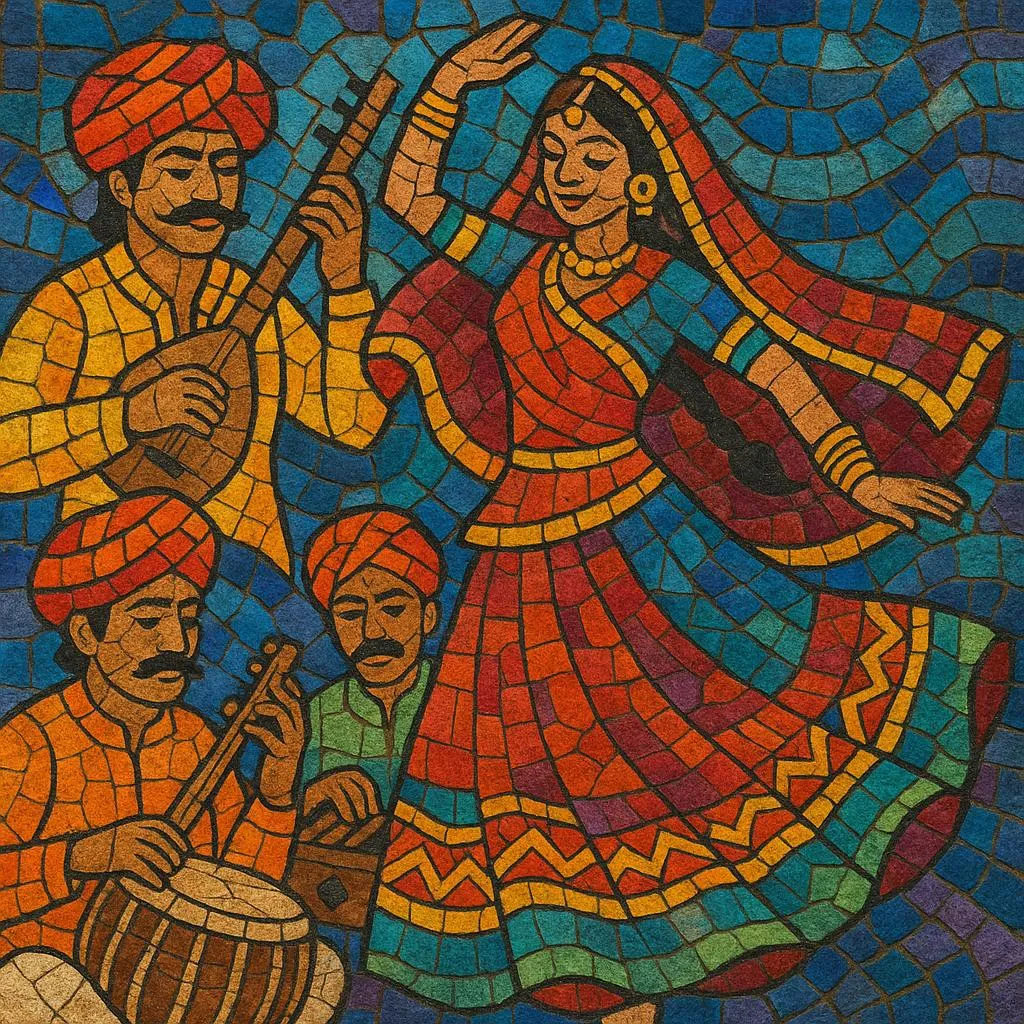
It is typically sung in regional Rajasthani varieties (Marwari, Mewari, Shekhawati, Hadoti, among others) and sets folkloric melodies and dance rhythms (Ghoomar, Panihari, Maand) against bright synths, drum machines, and commercial hook-writing. Traditional instruments such as dholak, harmonium, khartal, morchang, and nagara are often layered with EDM elements and Auto‑Tune, creating songs aimed at weddings, festivals (melas), and video-first platforms.

Lyrically, themes circle around teasing romance (banna–banni), seasonal festivities, pride in local dress and customs, and occasional heroic or devotional coloring—all delivered with call‑and‑response refrains and crowd‑pleasing choruses.


Sources: Spotify, Wikipedia, Discogs, RYM, MB, user feedback and other online sources

History

Origins and cassette era (1990s)

Rajasthani pop coalesced in the 1990s as regional labels and cassette stalls capitalized on a huge appetite for local-language entertainment. Producers adapted wedding and fairground (mela) repertoire—Ghoomar, Maand, Panihari songs—into short, hooky tracks using programmed drums and keyboards. This mirrored India’s wider cassette-culture boom and the rise of Hindi pop (Indi-pop) alongside Bollywood.

VCD/DVD and stage-show boom (2000s)

In the 2000s, VCDs and regional TV amplified the genre’s visual identity—bright costumes, folk dance troupes, and charismatic lead singers—turning local stage shows into star-making circuits. Arrangements thickened with louder drum kits, synth brass, and sampled dhol/dholak loops, while chorus-first song structures and call-and-response hooks kept the music wedding- and dance-floor-ready.

Streaming, YouTube, and crossover (2010s–present)

The 2010s brought viral YouTube channels and short-video apps, dramatically expanding reach beyond Rajasthan’s borders. Folk-fusion ambassadors and reality-TV alumni helped popularize Rajasthani timbres nationally, while producers folded in EDM drops and glossy vocal tuning. Today, Rajasthani pop thrives in a feedback loop of wedding demand, social video virality, and studio craft, with occasional crossover into mainstream Indian pop and festival stages.

Sound profile

Across eras, the core identity remains: folk-derived melodies and cyclical dance rhythms, sung in Rajasthani languages, powered by modern Indian pop aesthetics and high-energy performance.


How to make a track in this genre

Core melody and language
•   Write vocal lines that sit close to folk modes associated with Maand, Khamaj, or Pilu flavors; lean on stepwise motion with expressive turns and meends (glides). •   Use Rajasthani dialects (e.g., Marwari, Mewari). Common themes: playful romance (banna–banni), wedding/festive scenes, attire and ornaments, desert imagery, and local pride.
Rhythm and groove
•   Base grooves on Keherva (8-beat) or Dadra (6-beat) feels; emulate Ghoomar-style lilts for medium-tempo dance numbers (≈ 90–120 BPM). Ballads can relax to 70–90 BPM. •   Layer programmed kicks/snares with live or sampled dholak and nagara. Add khartal patterns for sparkle and forward motion.
Instrumentation and texture
•   Combine harmonium, dholak, khartal, morchang, and nagara with synth pads, plucks, and bass. •   Use bright, detuned synth stacks for chorus lifts; occasional EDM risers/drops can modernize the hook without masking folk identity.
Form and hooks
•   Favor verse–pre–chorus–chorus forms with a front‑loaded hook. Repetition and call‑and‑response (soloist vs. group) are key; write chantable refrains for crowds. •   Insert short instrumental breaks (tutti dholak fills, morchang riffs) before or after choruses to reset energy.
Vocal delivery and production
•   Lead vocals should be expressive, with light ornamentation (murkis, gentle gamaks). Harmonize choruses with stacked thirds/fifths for instant lift. •   Subtle Auto‑Tune or tight pitch correction is common; compress percussion buses for punch. Keep vocals forward in the mix and preserve percussive transients.
Arrangement tips
•   Start sparse (tanpura/drone or harmonium + light percussion), then layer dholak and synths by the first chorus. •   Use breaks and claps to encourage audience participation; end with a chorus reprise and a clean button to suit stage shows and video edits.

Top tracks

Locked
Share your favorite track to unlock other users’ top tracks

Upcoming concerts

in this genre
Influenced by
Has influenced

Download our mobile app

Get the Melodigging app and start digging for new genres on the go
© 2026 Melodigging
Melodding was created as a tribute to Every Noise at Once, which inspired us to help curious minds keep digging into music's ever-evolving genres.
Buy me a coffee for Melodigging