

Your digging level
Description
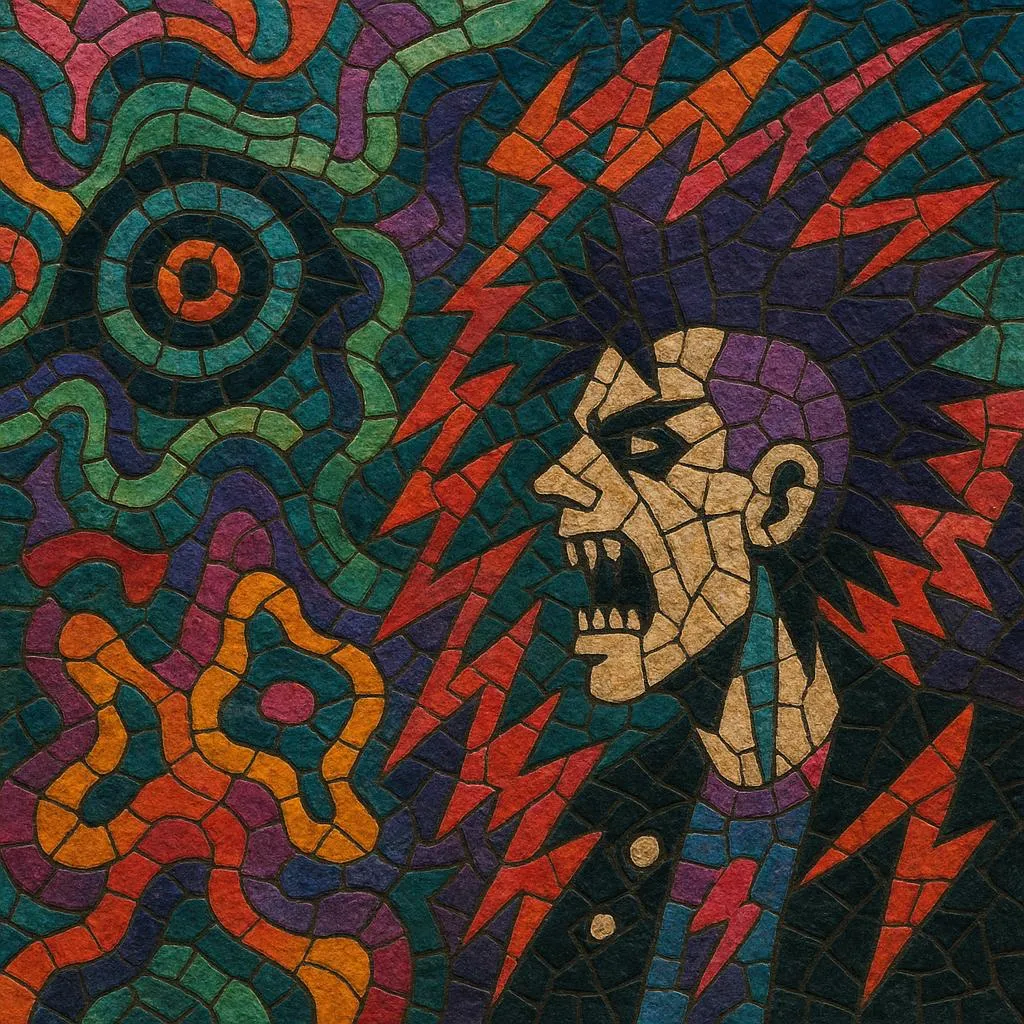
Psychedelic punk is a fusion style that combines the speed, simplicity, and confrontational energy of punk rock with the mind-expanding textures and studio experimentation of psychedelic rock.
It typically keeps punk’s tight song lengths and aggressive delivery, but adds effects-heavy guitars, droning or modal riffs, swirling organs/synths, noisy feedback passages, and surreal or hallucinatory lyrical themes.
The result is music that feels raw and urgent, yet warped and trippy—often moving between catchy, hard-edged hooks and disorienting, hypnotic sonic detours.
History
Psychedelic rock established a vocabulary of fuzz, feedback, extended jams, tape effects, and surreal lyrical imagery.
At the same time, the proto-punk end of late-1960s rock favored repetition, volume, and confrontational minimalism, which became foundational to punk’s later aesthetics.
As punk scenes formed, some bands pushed beyond strict three-chord orthodoxy by reintroducing psychedelic timbres (phasing, wah, drones) and more abstract songwriting.
This strain appeared in pockets of the UK and US underground where punk’s energy coexisted with art-rock and psych influences.
In the early 1980s, post-punk’s openness to experimentation helped psychedelic punk ideas spread: jagged punk rhythms were paired with dubby space, noise, and darker psychedelic atmospheres.
Different scenes emphasized different traits—some leaned toward manic, speed-driven psych-punk, while others moved into shadowy, repetitive, trance-like forms.
Later garage-leaning revivals and noise-oriented indie scenes periodically re-centered the psych-punk blend, often emphasizing fuzzed hooks, aggressive tempos, and lo-fi recording.
Modern bands may incorporate synths, modular noise, and heavier distortion, but the core identity remains the same: punk urgency with psychedelic sonics and imagery.








![[adult swim]](/placeholders/vinyl-4.png)
