

Your digging level
Description
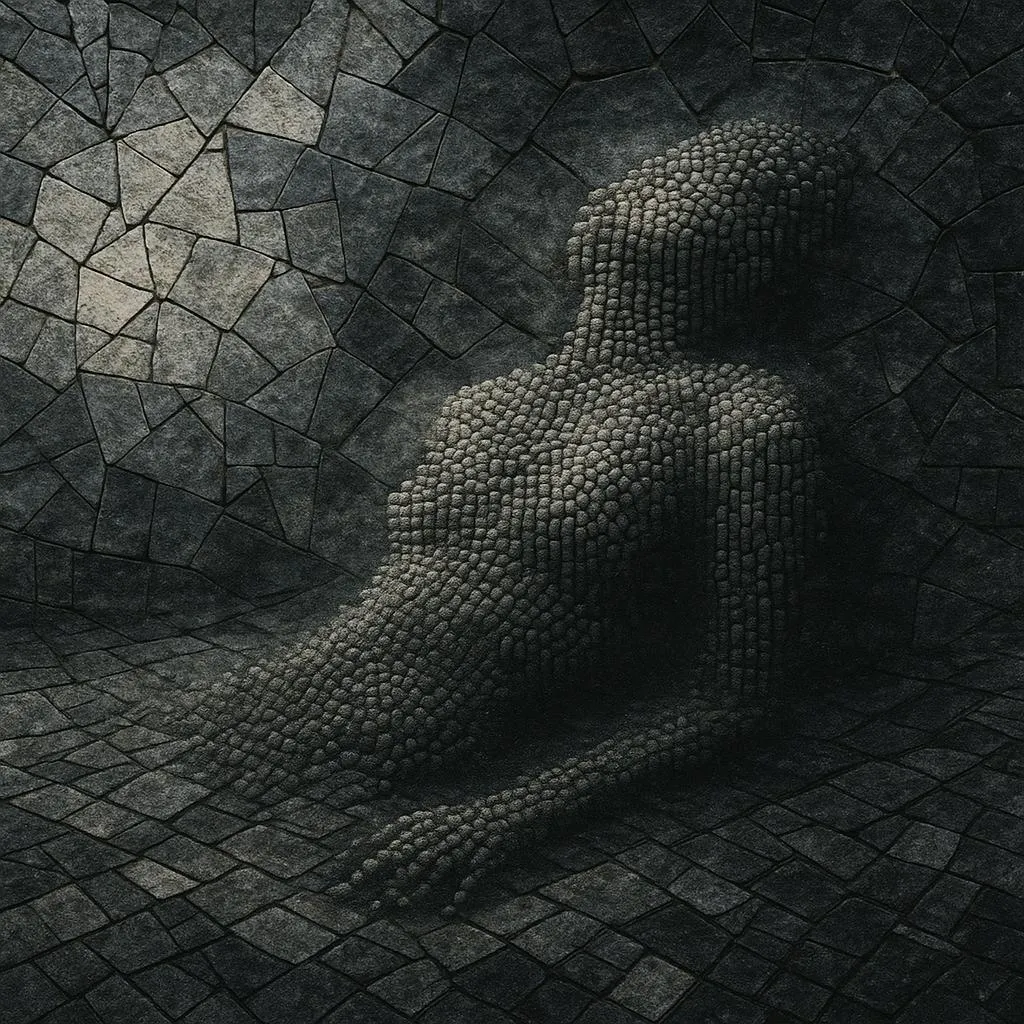
Pinscreen animation music refers to the soundtracks and scores composed specifically for films created using the pinscreen animation technique. This visual medium, characterized by its chiaroscuro effects and dreamlike, metamorphic imagery, demands a distinct musical accompaniment that mirrors its fluid and textural nature. The music is often atmospheric, avant-garde, or orchestral, focusing on timbre and density to complement the granular visual aesthetic of millions of pins casting shadows. It ranges from classical tone poems to experimental electro-acoustic soundscapes that emphasize psychological depth and surrealism.
History
The history of pinscreen animation music is intrinsically tied to the invention of the device itself in Paris during the early 1930s by Alexandre Alexeïeff and Claire Parker. Their debut film, 'Night on Bald Mountain' (1933), was explicitly created to visualize the tone poem by Modest Mussorgsky, establishing a foundational link between the medium and dramatic, orchestral classical music.
For decades, the technique remained the exclusive domain of its inventors, who used it to create surreal adaptations of literary works like Gogol's 'The Nose', often employing atmospheric or traditional scores to suit the narrative. In the 1970s, the National Film Board of Canada (NFB) acquired a pinscreen, and animator Jacques Drouin became the medium's second great master. Drouin's films, such as 'Mindscape' (1976), utilized more contemporary, experimental, and electro-acoustic scores to reflect the psychological interiority of his subjects.
The tradition continued into the 21st century with artists like Michèle Lemieux, whose film 'Here and the Great Elsewhere' (2012) featured soundscapes that blended sound design with music to match the pinscreen's unique ability to morph between solid form and abstract shadow.
Composing for pinscreen animation requires a focus on texture and fluidity rather than traditional melodic structures. The music should mirror the visual metamorphosis of the pins, evolving slowly and seamlessly between themes.
Use instrumentation that can produce sustained, shifting textures, such as string sections, synthesizers, or prepared piano. The rhythm should be free-flowing and rubato, avoiding rigid beats to match the dreamlike, floating quality of the animation. Harmonically, utilize dissonance and chromaticism to represent the shadowy, often slightly unsettled or surreal atmosphere of the visuals. Incorporating 'granular' sounds—such as rustling, scratching, or pointillistic staccatos—can sonically mimic the physical reality of the thousands of pins that make up the image.

