Your digging level

For this genre
0/8
🏆
Sign in, then listen to this genre to level up

Description

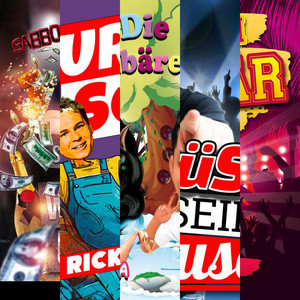
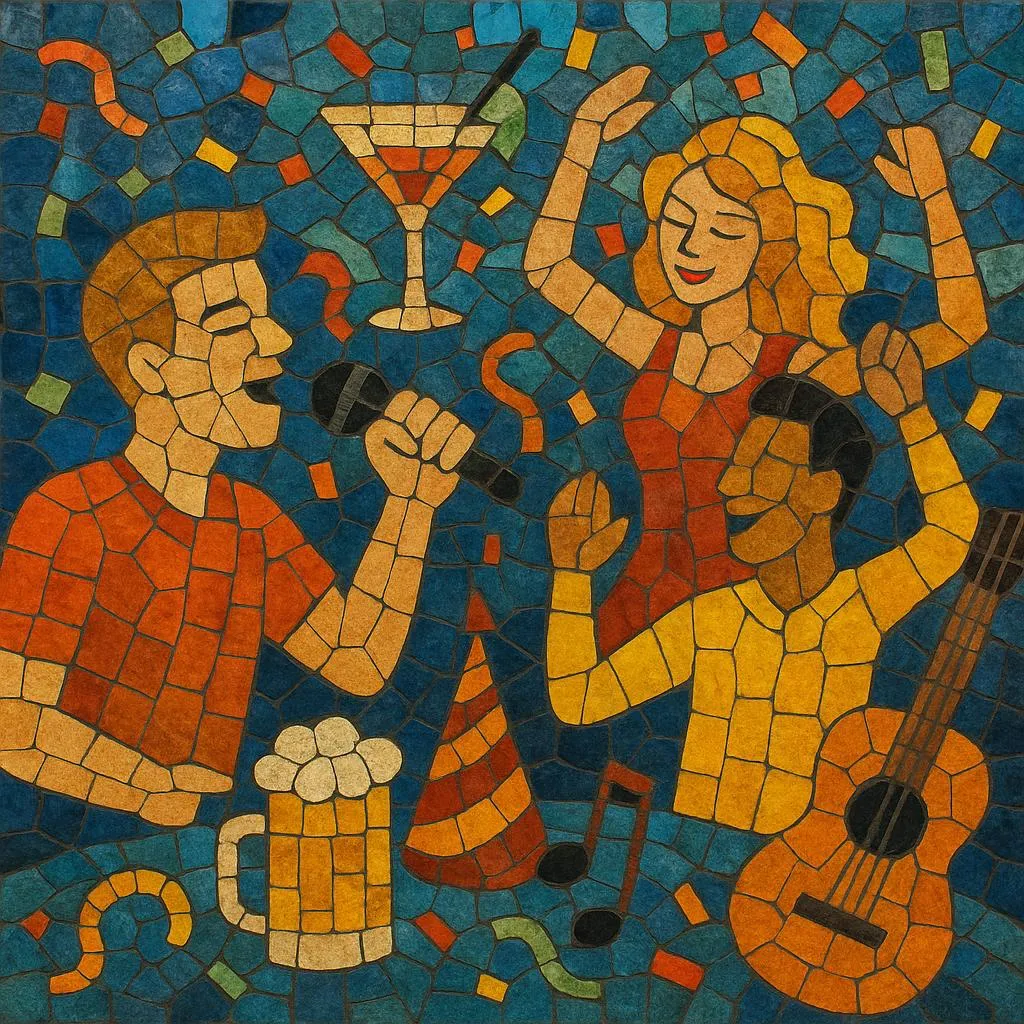
Partyschlager is a party-oriented branch of German schlager that blends the catchy, feel‑good melodies of schlager with the beat-driven energy of Eurodance, EDM, and Hands Up. It favors simple, chantable hooks, four-on-the-floor rhythms, and lyrics designed for mass sing‑alongs.

Originally tied to German-speaking holiday and festival culture, partyschlager thrives in settings like Mallorca’s Ballermann clubs, après‑ski venues, carnival processions, and Oktoberfest beer tents (Wiesn). Tracks often include call‑and‑response refrains, humorous or cheeky themes, and straightforward harmonies that invite audiences to join in.


Sources: Spotify, Wikipedia, Discogs, RYM, MB, user feedback and other online sources

History

Origins (1990s)

Partyschlager emerged in the 1990s as a high‑energy, festive update to classic schlager. As Eurodance and early EDM sounds swept Europe, German party destinations—especially Mallorca’s Ballermann strip—embraced upbeat schlager songs retooled with club‑friendly beats, bright synths, and big, repetitive choruses. Early crossovers laid the groundwork for a style that felt both familiar (schlager melodies and themes) and contemporary (dance production).

2000s: Festival and Holiday Culture

Through the 2000s, partyschlager consolidated around specific party contexts: après‑ski (winter resorts), carnival parades, and Oktoberfest/Wiesn beer tents. Compilation series and themed playlists (e.g., “Ballermann Hits,” “Après Ski Hits”) helped codify the sound. Artists such as Mickie Krause, Peter Wackel, and DJ Ötzi delivered hook-heavy, crowd‑interactive singles that became seasonal anthems across Germany, Austria, and Switzerland.

2010s–Present: Streaming, Stadium Sing‑alongs, and Debates

In the streaming era, viral, chant‑driven refrains and easy call‑and‑response patterns pushed partyschlager beyond clubs and tents into sports arenas and mainstream charts. Production increasingly borrowed from EDM and Hands Up—sidechained supersaws, festival build‑ups, and punchy drops—while retaining schlager’s accessible harmonies and feel‑good topics. The style’s humorous and at times provocative lyrics also sparked periodic debates about taste and content, underscoring the genre’s function as participatory, boisterous party music.

Scenes and Occasions
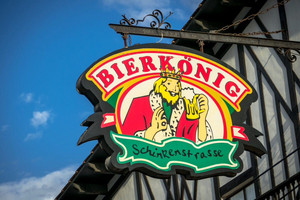
•   Ballermann (Mallorca): High‑octane club environment where DJs and singers test new crowd-chants each summer. •   Après‑ski: Upbeat winter context; songs often invoke mountains, skiing, and all‑night revelry. •   Carnival: Regional variations (e.g., Cologne, Düsseldorf, Mainz) favor chorus-heavy, communal singing. •   Oktoberfest/Wiesn: Beer-tent anthems with infectious refrains, sometimes blending oompah brass with EDM textures.

How to make a track in this genre

Core Groove and Tempo
•   Use a steady four-on-the-floor kick at roughly 120–135 BPM. •   Layer claps/snare on beats 2 and 4; add simple off‑beat hi‑hats for a dance-pop push. •   For more EDM/Hands Up flavor, incorporate short build‑ups (snare rolls, risers) before a big chorus or post‑chorus “drop.”
Harmony and Melody
•   Favor bright major keys and simple progressions (e.g., I–V–vi–IV or I–IV–V). •   Write highly singable, pentatonic‑leaning melodies with limited leaps and a narrow range to suit large crowd choruses. •   Build the chorus around a short, memorable hook (often a slogan/chant or nonsense syllables: “la‑la‑la,” “olé, olé”).
Lyrics and Themes
•   Keep lyrics playful, direct, and communal: partying, friendship, holidays, drinking songs, summer vibes, ski season, or beer‑tent fun. •   Use call‑and‑response and imperative cues (e.g., “Hands up!,” “Sing with me!,” “One more time!”) to activate the crowd. •   German lyrics dominate; keep lines short with clear rhymes and repeated catchphrases.
Instrumentation and Sound Design
•   Blend schlager elements (catchy vocal leads, occasional accordion/brass stabs) with EDM textures (supersaw leads, sidechained pads, sub‑bass). •   Add festival FX (risers, impacts, crowd noises) tastefully to heighten anticipation. •   Consider a beer‑tent or carnival flair by doubling lead lines with brass or accordion for a festive timbre.
Structure and Arrangement
•   Typical form: Intro (DJ hype) → Verse → Pre‑Chorus → Big Chorus (chant) → Short Instrumental/Post‑Chorus → Verse 2 → Chorus → Bridge/Break → Final Double Chorus. •   Keep sections concise; the hook should arrive early and recur often.
Performance Tips
•   Encourage sing‑alongs with on‑mic prompts and easy gestures (hand waves, claps). •   Use call‑and‑response breakdowns to re‑engage the crowd between choruses. •   Aim for an upbeat, smiling delivery; the vibe is inclusive, humorous, and celebratory.

Top tracks

Locked
Share your favorite track to unlock other users’ top tracks

Upcoming concerts

in this genre
Influenced by
Has influenced
No genres found

Download our mobile app

Get the Melodigging app and start digging for new genres on the go
© 2026 Melodigging
Melodding was created as a tribute to Every Noise at Once, which inspired us to help curious minds keep digging into music's ever-evolving genres.
Buy me a coffee for Melodigging