Your digging level
Description
“Otroške pesmice” is the Slovenian tradition of children’s songs: simple, singable pieces created for and often performed by children in preschools, primary schools, television programs, and community choirs.
The repertoire blends folk-rooted melodies, clear diction in Slovene, and playful, educational texts about animals, nature, friendship, seasons, and everyday life. Tunes generally sit in major keys, use limited vocal ranges suitable for young voices, and favor steady, march- or dance-like rhythms that invite clapping, movement, and action-gestures.
While the roots lie in oral folk lullabies and counting-out rhymes, the modern genre was shaped by school songbooks, radio/TV production, and children’s choirs in the post‑war period, and remains a living practice in classrooms, festivals, and media today.
History
Slovenian children’s singing grew out of folk lullabies, finger plays, and counting-out rhymes transmitted orally within families and villages. During the national awakening, schoolteachers and folklorists began notating and publishing these pieces, seeding a shared pedagogical repertoire for classrooms and children’s choirs.
After World War II, the school system and cultural institutions in Slovenia (then within Yugoslavia) formalized children’s singing through curricula, festivals, and state media. Radio/TV Ljubljana commissioned new songs, produced recordings, and popularized catchy, didactic numbers. Children’s choirs—especially the RTV Slovenija Children’s Choir—became a recognized vehicle for newly written repertoire that balanced folk color with modern harmony and arrangement.
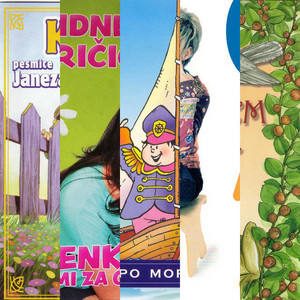
Beloved albums and radio plays set a de facto canon for generations of children (e.g., sung story-cycles, character-driven songbooks). Professional composers and poets crafted witty, memorable songs that teachers and parents embraced, while pop groups created child-friendly versions and singalongs that traveled between classrooms, TV programs, and family events.
YouTube channels, streaming platforms, and school/choir festivals keep the tradition current. New songs continue to emphasize movement, participation, and language learning, while classic favorites remain staples at school concerts and family gatherings. The genre’s flexible mix of folk sensibility, choral practice, and pop accessibility sustains its vitality across media and generations.