
Description
Orange County ska was a regional music scene in Orange County, California, rather than a separate musical style. Its bands were associated with ska punk and the third wave of ska, and the scene became large and influential during the 1990s.
The music can be understood through ska’s offbeat rhythmic emphasis and punk’s forceful guitar-and-drum energy. The scene’s identity was also tied to its suburban community: artists who began there did not all follow the same musical path, and some later moved toward other genres.
History
Roots and the 1990s scene
No Doubt, from Anaheim, was playing in the mid-1980s, when the band opened for Los Angeles acts including The Untouchables and Fishbone. During the 1990s, Orange County developed a large and influential third-wave ska scene. Among the bands to emerge from its suburban scene was Pharmaceutical Bandits, later known as Rx Bandits.
Wider success
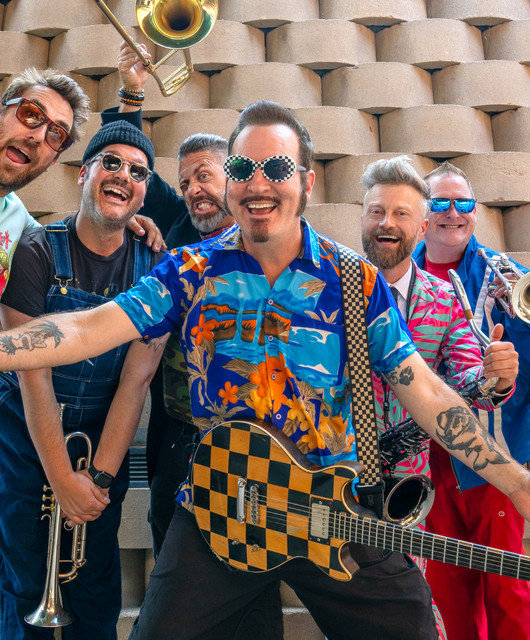
No Doubt became the scene’s most enduring commercial success, releasing the diamond-certified album Tragic Kingdom. Reel Big Fish also found commercial success: its song “Sell Out” reached number 10 on the Billboard Modern Rock chart in 1997. Save Ferris and The Hippos achieved some commercial success with It Means Everything and Heads Are Gonna Roll, respectively.
Later directions
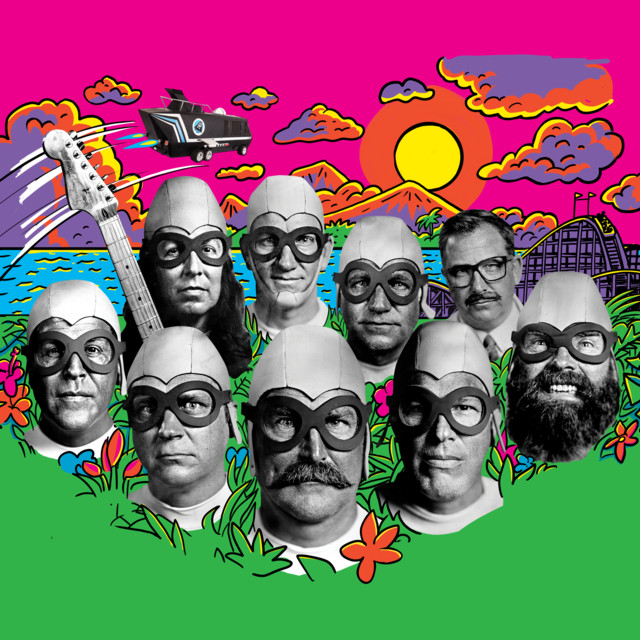
The bands did not remain fixed to a single sound. Rx Bandits embraced pop punk, emo and progressive rock influences, while Goldfinger moved away from ska in 2001. The Aquabats continued playing, although their release Charge!! generally does not feature ska-influenced music. These divergent careers are part of the legacy of a scene whose members went on to work across genres.
Build a ska-punk foundation
To make music in the spirit of the scene, start with the meeting of ska rhythm and punk energy rather than treating Orange County ska as a separate set of rules. You could use clipped guitar chords on the offbeats, a moving bass line and a drum part that keeps the pulse clear. Give the performance the drive and directness associated with punk rock.
Arrange for contrast
A common approach in ska punk is to alternate buoyant, rhythmically sparse passages with fuller, more forceful guitar sections. You could add horns to reinforce a hook or answer the vocal, while leaving space for the rhythm section to carry the syncopation.
Make room for other influences
The scene’s bands took different paths, so a song need not follow a single formula. You could begin with a ska-punk groove and experiment with changes in texture or structure, keeping the offbeat rhythm and energetic ensemble playing recognizable.


Influenced by