Your digging level
Description
Odia bhajan is a devotional song tradition in the Odia language from the eastern Indian state of Odisha.
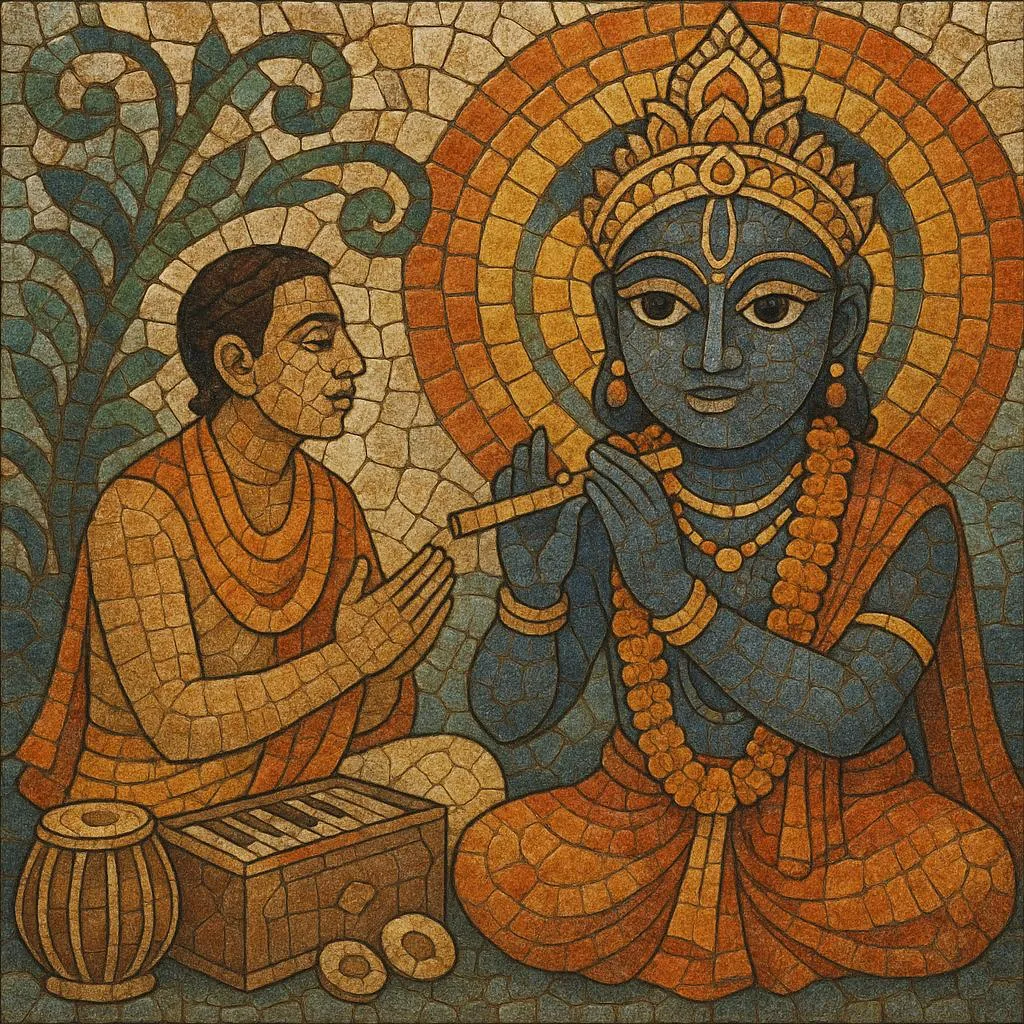
It centers on heartfelt praise of deities—especially Lord Jagannath (a form of Krishna), as well as Vishnu, Krishna, Rama, Shiva, and Devi—and is sung in temples, satsangs, akhadas, homes, and community gatherings. Musically, it draws from Odissi classical music and the wider Hindustani rāga vocabulary while retaining simple, singable melodies suited to congregational participation. Typical accompaniments include harmonium, mardala or pakhāwaj/khol (barrel drums), manjira/karatāla (small hand cymbals), and occasionally bansuri (flute) or violin.
Texts often come from medieval Odia poet-saints and Vaishnava writers (e.g., Salabega, Banamali Dasa, Dinakrushna Dasa), employing vivid bhakti imagery, refrains for group response, and a sthāyī–antarā verse structure. Tempos range from contemplative to gently lilting; common tālas include kahārwā (8-beat), dadra (6-beat), and Odissi talas adapted for congregational singing.
History
Odia bhajan took recognizable form during the Odia branch of the pan-Indian Bhakti movement, flourishing from the 16th–17th centuries. Poet-saints such as Jagannath Das (author of the Odia Bhagavata), Balaram Das, Achyutananda Das, Ananta Das, Upendra Bhanja, Banamali Dasa, Dinakrushna Dasa, and the famed Muslim devotee Salabega wrote devotional lyrics that became the core singing repertoire. Their verses were set to locally known rāgas and talas, performed around the powerful Jagannath cult of Puri and in village akhadas (devotional clubs).
As Odissi classical music crystallized, its rāgas, talas, and ornamentation influenced the bhajan idiom. At the same time, temple ritual and kirtan practice kept the music accessible—favoring memorable refrains, call-and-response, and steady cyclic rhythms for collective singing. Hand cymbals (karatāla/manjira), the mardala or pakhāwaj, and harmonium became characteristic.
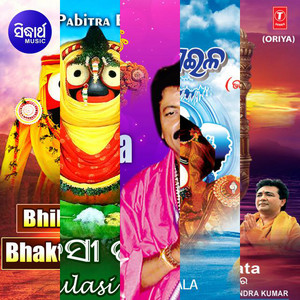
In the mid–late 20th century, All India Radio (AIR) Cuttack broadcasts, gramophone records, and later cassettes popularized Odia bhajans beyond temple precincts. Concert artists trained in Odissi and Hindustani styles recorded devotional albums, while neighborhood satsangs and festival processions (notably during Ratha Yatra) sustained the participatory tradition.
Digital platforms and devotional channels have broadened the audience. Contemporary singers continue to set classical poetry as well as new Odia lyrics, retaining the mellow, congregational core while occasionally incorporating modern instruments and studio polish.