Your digging level

For this genre
0/8
🏆
Sign in, then listen to this genre to level up

Description

Novaya Scena (literally “New Stage”) refers to a diverse Ukrainian avant‑garde and underground music current that cohered in the late 1980s as the Soviet cultural climate loosened.

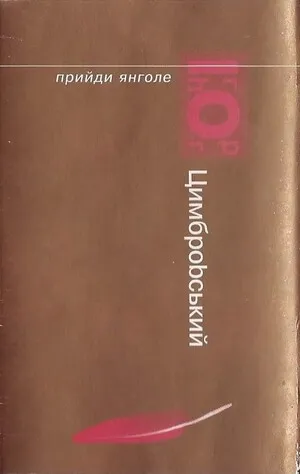
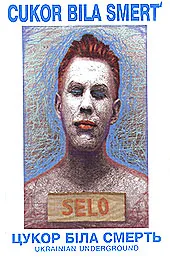
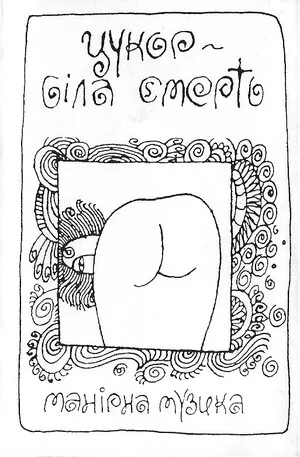
It blends post‑punk sharpness, new wave artiness, and experimental, often theatrical performance—frequently recorded on cassette with DIY methods, drum machines, and cheap synthesizers—while drawing on local languages and urban folklore. The result is a raw, exploratory sound that is simultaneously intimate, angular, and vividly imaginative.


Sources: Spotify, Wikipedia, Discogs, Rate Your Music, MusicBrainz, and other online sources

History

Origins (late 1980s)

With glasnost and perestroika easing censorship, Ukrainian musicians began organizing clubs, apartment shows, and art collectives. Under the banner later dubbed “Novaya Scena,” bands embraced cassette culture, performance art, and eclectic instrumentation, channeling post‑punk, new wave, and experimental rock into a distinctly local voice.

1990s Underground Expansion

After independence in 1991, the network of squats, galleries, and small labels widened. Artists mixed drum machines with folk modalities, used Ukrainian and Russian (and Surzhyk) lyrics, and treated the studio as an instrument. Lo‑fi aesthetics—tape saturation, room mics, and primitive samplers—became part of the sound’s identity, preserving immediacy over polish.

Legacy and Influence

Though never a mainstream brand, Novaya Scena seeded later Ukrainian indie, experimental, and electronic circles. Its ethos—DIY production, cross‑disciplinary collaboration, and fearless stylistic hybridity—remains a reference point for contemporary artists who value experimentation and cultural specificity.

How to make a track in this genre

Instrumentation and Sound
•   Combine clean or chorus‑tinged post‑punk guitars with simple, melodic bass lines. •   Use drum machines or minimal live kits; let rigid, metronomic patterns sit beside hand percussion for contrast. •   Add budget synths, organs, or toy keyboards for brittle, expressive timbres; embrace tape hiss and room noise.
Harmony and Melody
•   Favor modal minor centers, pedal points, and drones; punctuate with unexpected chromatic turns. •   Interleave spoken‑word, chant‑like phrases, or folk‑tinged melodies with angular motifs.
Rhythm and Form
•   Alternate motorik grooves with fractured, stop‑start sections; let repetition build trance, then disrupt it. •   Keep arrangements compact but texturally adventurous—collage field sounds, tape loops, and found audio.
Lyrics and Aesthetics
•   Write in Ukrainian or Russian (or a mix), drawing on city imagery, absurdism, and everyday surrealism. •   Treat performance as multimedia: incorporate visuals, DIY staging, and performance‑art gestures.
Production Approach
•   Record to cassette or emulate it: saturation, limited bandwidth, and room bleed are features, not bugs. •   Prioritize authenticity and experiment over polish; document rehearsals and live takes to preserve immediacy.

Top tracks

Locked
Share your favorite track to unlock other users’ top tracks
Influenced by
Has influenced
Challenges
Digger Battle
Let's see who can find the best track in this genre
© 2026 Melodigging
Melodding was created as a tribute to Every Noise at Once, which inspired us to help curious minds keep digging into music's ever-evolving genres.
Buy me a coffee for Melodigging