Your digging level
Description
Nhạc thiếu nhi is Vietnamese children's music: songs written for and often performed by children, with simple, singable melodies, clear diction, and themes about family, school, nature, holidays, good manners, and love of homeland.
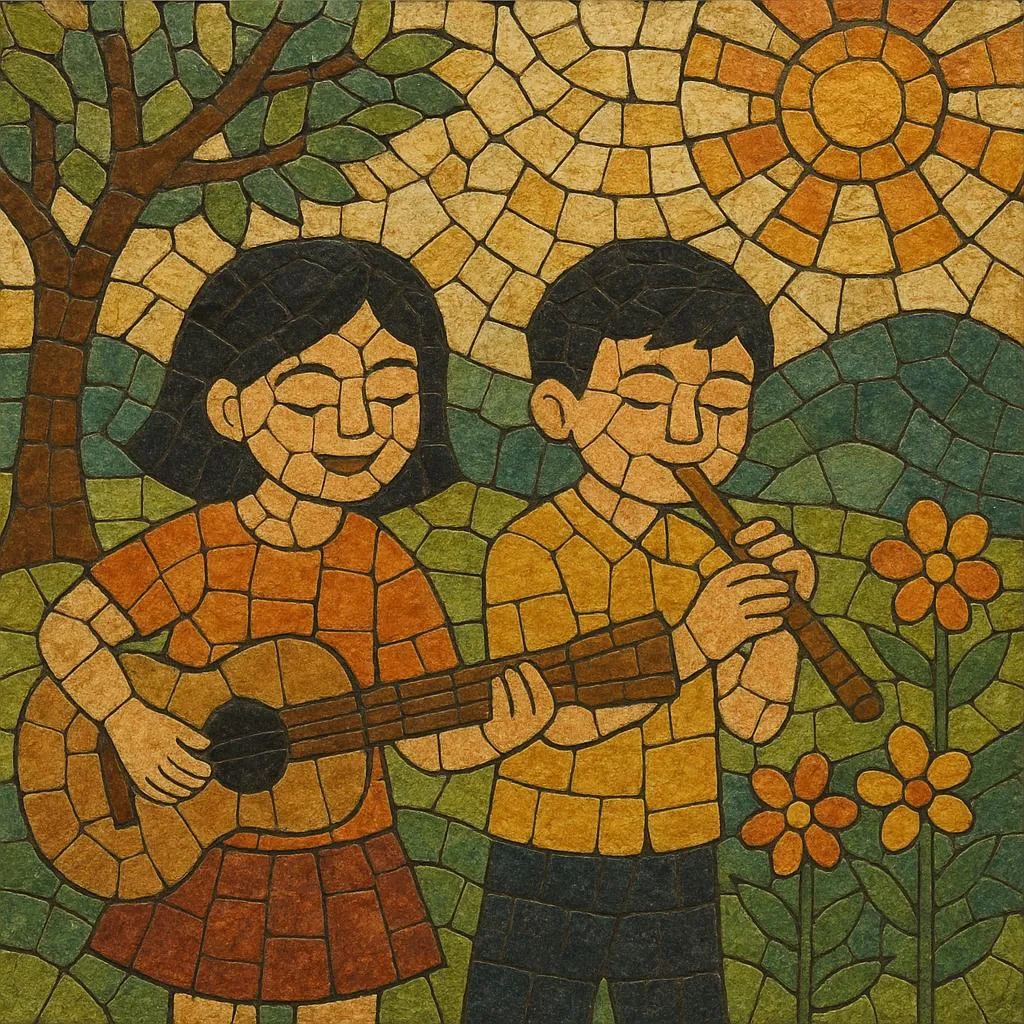
Musically, it blends Vietnamese folk pentatonic colors with diatonic, classroom‑friendly tunes in common meters (2/4, 4/4), designed for group singing, school assemblies, and children’s choirs. Arrangements typically use light pop instrumentation (piano, guitar, flute, strings) or Orff/elementary percussion, keeping ranges comfortable for young voices and emphasizing call‑and‑response and catchy refrains.
History
Vietnam had a long tradition of children’s verse and folk rhymes (đồng dao) and lullabies that predate the 20th century; these oral forms informed the first purpose‑written children’s songs in the mid‑20th century. In the 1950s–60s, professional composers began crafting modern children’s repertoire for schools, radio, and youth organizations, codifying the style’s clear melodies and didactic, age‑appropriate texts.
After reunification, children’s music flourished through nationwide cultural institutions, youth movements, and school music programs. Composers such as Phạm Tuyên and peers expanded the canon with songs about seasons, festivals, study, and civic values, setting many folk rhymes to music and creating repertoire for choirs and mass singing.
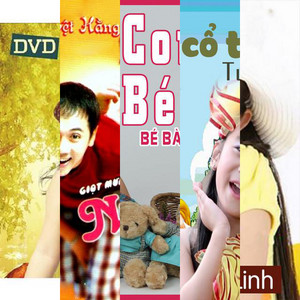
The growth of cassettes, VCDs, and television produced child stars and themed albums, taking nhạc thiếu nhi into households and diaspora communities. The style absorbed light pop production while retaining classroom‑friendly forms for recitals and competitions.
Streaming platforms, YouTube channels, and animated lyric videos have become primary discovery modes; arrangements now range from acoustic classroom performances to bright, dance‑pop versions for festivals and children’s stages, while schools still use choral and Orff‑style renditions.