Your digging level

For this genre
0/8
🏆
Sign in, then listen to this genre to level up

Description

Neo-trad metal (neo-traditional heavy metal) is a modern revival style that intentionally channels the sound and aesthetics of late-1970s and 1980s traditional heavy metal.

It emphasizes classic riffcraft, audible bass and drums, twin-guitar leads, and soaring (often theatrical) clean vocals, while using modern production mainly for clarity rather than heaviness.

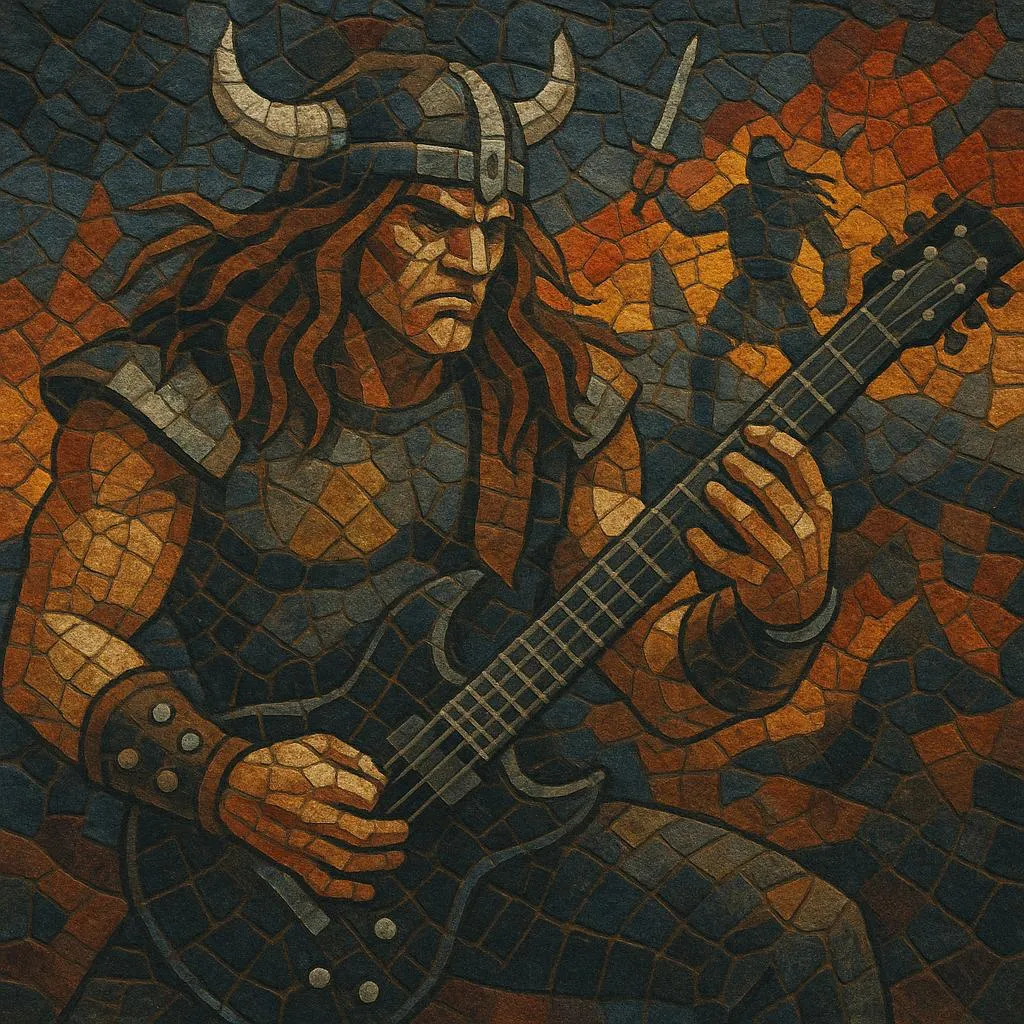
Lyrically and visually it often leans into “heavy metal mythology” (warriors, steel, the night, fantasy, rebellion) and a back-to-basics band format focused on tight performance and memorable hooks.


Sources: Spotify, Wikipedia, Discogs, RYM, MB, user feedback and other online sources

History

Roots and meaning

Neo-trad metal is not a single “new sound” as much as a self-aware return to the core vocabulary of classic heavy metal: mid-to-fast tempos, riff-driven songwriting, and prominent lead guitar melody.

Emergence (late 1990s–2000s)

As extreme metal styles dominated many scenes in the 1990s, a counter-current of bands began foregrounding the classic heavy metal template again. This revival solidified in the 2000s, helped by labels and festivals that catered to traditional metal audiences, plus online communities trading demos and live recordings.

Scene overlap and expansion (2010s)

In the 2010s, neo-trad metal increasingly overlapped with the broader traditional metal revival (often discussed alongside NWOTHM). The sound diversified while staying stylistically conservative: some bands leaned more epic and Manowar/USPM-adjacent, others more NWOBHM bite, others more speed metal urgency.

Current identity

Today the term is commonly used to describe acts that sound “classically heavy metal” in riff language, vocal approach, and song form, without being a historical reproduction. It is frequently associated with European and North American scenes and a live-first, musician-centric ethos.

How to make a track in this genre

Instrumentation & tone
•   Guitars: Use a classic high-gain tone with strong midrange; avoid overly scooped modern metal EQ. Pair tight palm-muted riffs with open-string gallops and harmonized leads. •   Bass: Keep it audible and supportive; follow riffs often, but add passing tones into chord changes. •   Drums: Prioritize a natural kit sound. Kick should be clear but not “machine-gun” triggered. •   Vocals: Clean, projected, and melodic (often higher register). Optional grit, but avoid extreme vocal techniques as the main voice.
Rhythm & groove
•   Build songs around driving 4/4 with frequent gallops (e.g., 8th–16th patterns) and double-time choruses. •   Use tempo contrasts: mid-tempo verse → faster pre-chorus/chorus is a common classic-metal lift. •   Keep fills purposeful; let riffs carry momentum.
Harmony & melody
•   Favor minor keys (Aeolian) and classic metal modes like Phrygian for darker color, plus Mixolydian for an anthemic rock edge. •   Write singable choruses with strong chord movement (i–VI–VII, i–VII–VI, or i–iv–VII type cycles). •   Lead guitar language: melodic motifs, twin harmonies in 3rds/6ths, and memorable end-of-phrase bends/vibrato.
Song structure (practical template)
•   Intro riff (2–8 bars) •   Verse riff + vocal •   Pre-chorus lift (new riff or rhythmic accent) •   Chorus hook (repeatable, crowd-friendly) •   Verse 2 •   Chorus •   Bridge / solo section (often over chorus or a dedicated “solo riff”) •   Final chorus + outro (ritard or extended ending works well)
Lyrics & themes
•   Use vivid, concrete imagery and big nouns: steel, night, oath, battle, fire, road, destiny. •   Keep lines rhythmic and chantable; choruses often benefit from short, repeated phrases.
Production tips
•   Aim for clarity and punch, not maximal loudness. •   Layer guitars for width but keep the core riff definition; avoid excessive low-end buildup. •   Let cymbals and room tone breathe to preserve the “band in a room” feel.

Top tracks

Locked
Share your favorite track to unlock other users’ top tracks

Upcoming concerts

in this genre
Influenced by

Download our mobile app

Get the Melodigging app and start digging for new genres on the go
© 2026 Melodigging
Melodding was created as a tribute to Every Noise at Once, which inspired us to help curious minds keep digging into music's ever-evolving genres.
Buy me a coffee for Melodigging