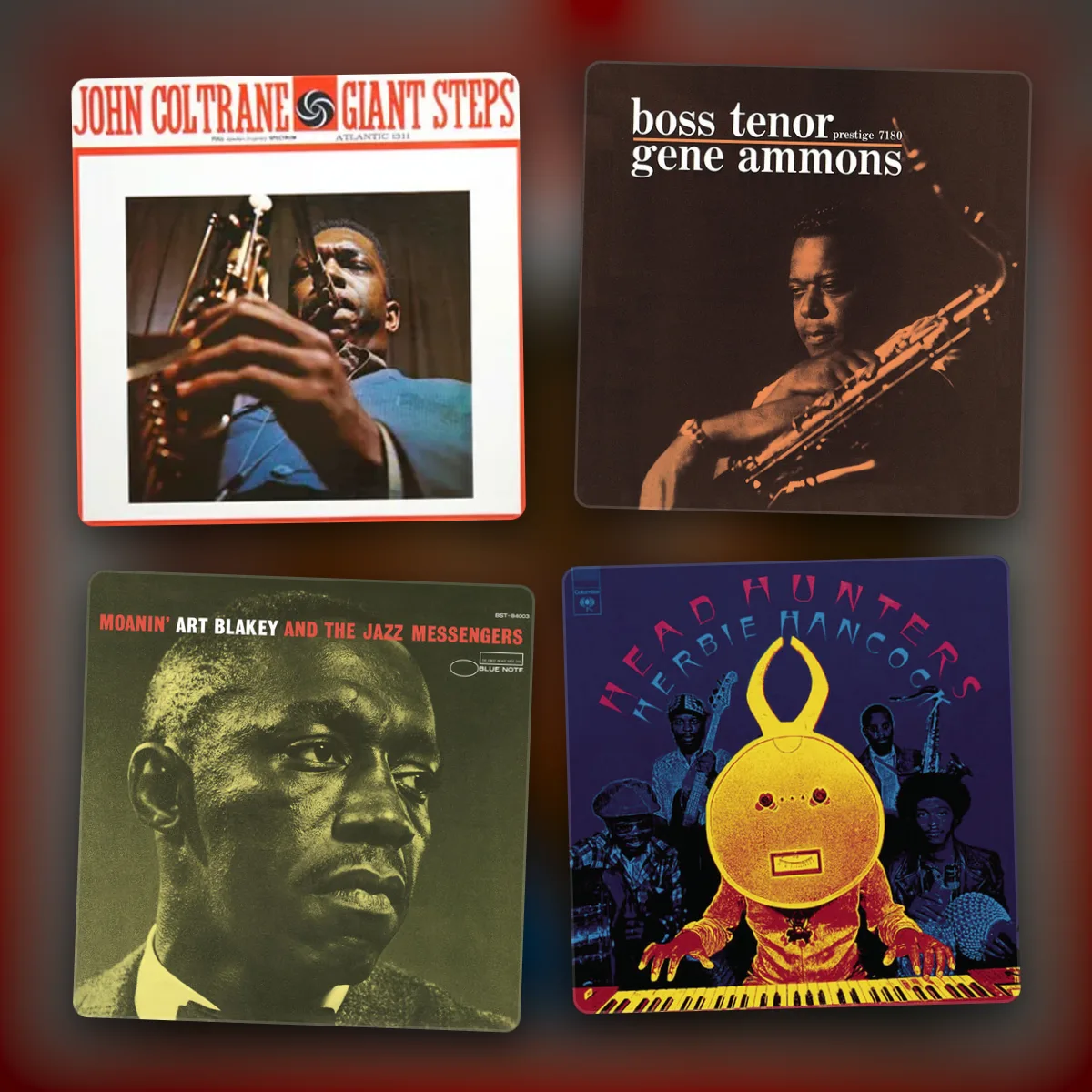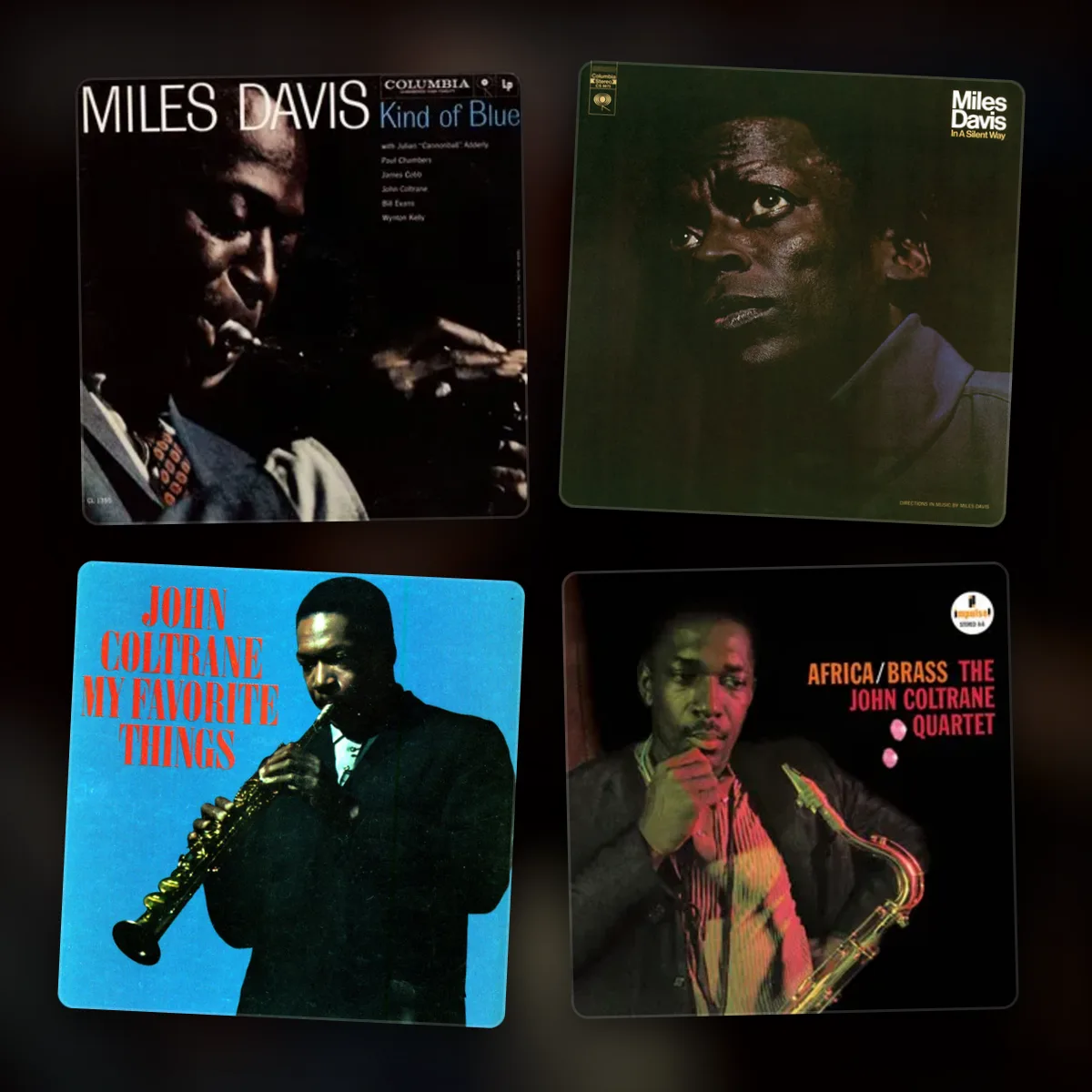
Description
Neo-bop jazz, also called neotraditionalist jazz, favors acoustic sounds, swing and melodic playing. It draws on bebop, hard bop, post-bop and modal jazz while placing renewed emphasis on established jazz practices rather than the electric instrumentation and stylistic departures associated with fusion and avant-garde jazz.
Its boundaries with post-bop are not sharply defined: both terms can describe eclectic combinations of earlier jazz styles. Neo-bop is also distinguished by its association with Wynton Marsalis’s efforts to promote jazz as an artistic and academic pursuit.
History
Roots in the 1970s
Neo-bop grew out of a renewed interest in traditional approaches among musicians who were dissatisfied with avant-garde jazz or the electric instruments and pop and rock influences of fusion. Drummer Art Blakey’s Jazz Messengers provided a setting for younger players who shared that outlook, including future members of the Young Lions.
In his 1976 book Stomping the Blues, Albert Murray argued for a conception of jazz centered on swing, blues tonalities and acoustic sound. His ideas influenced critic Stanley Crouch and Wynton Marsalis, who became advocates of that approach.
The Young Lions and wider recognition
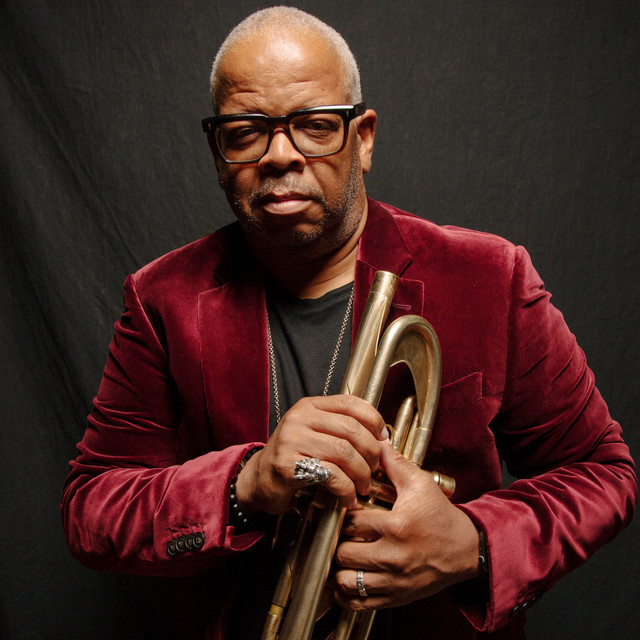
Neo-bop gained popularity in the 1980s, with Marsalis as a prominent figure. Musicians associated with the return to traditional jazz included Terence Blanchard, Donald Harrison, Wallace Roney and Jeff Watts. In 1987, Murray, Crouch and Marsalis founded Jazz at Lincoln Center in New York, which became an important institutional promoter of the movement.
Debate and a distinct identity
The return to traditional styles drew both praise and criticism. Miles Davis dismissed the music as overly reliant on the past, while Time welcomed a return to more accessible jazz. As hard bop regained a mainstream place in the 1990s, neo-bop acquired a clearer identity as a subgenre. Critic Scott Yanow argued that it was no longer merely repeating the past, although other critics considered it insufficiently innovative or too commercial.
Build an acoustic, swinging sound
Start with an acoustic palette and a clear swing feel. Give the music a strong melodic focus, and use elements of bebop, hard bop, post-bop or modal jazz as material to combine rather than treating neo-bop as a single rigid formula.
Develop the arrangement
A common approach in small-group jazz is to introduce a concise theme, open space for improvised solos and return to the theme at the end. You could support the melody with piano, bass and drums, using a walking bass line and a light, responsive cymbal pattern to sustain the swing. Let the accompaniment react to the soloist rather than repeat a fixed backing throughout.
Shape the improvisation
As a suggestion drawn from bebop and related jazz practices, develop solo lines from the theme and the chord changes, balancing flowing phrases with pauses. For a more modal passage, you could let a harmony last longer and explore melodic variations over it. Keep the overall sound acoustic and give the melodic ideas room to be heard.