Your digging level
Description
Musique mariage algérien refers to the broad, regionally varied repertoire performed at Algerian wedding celebrations. It blends urban chaâbi and Andalusian (sanâa/gharnati) lineages with popular raï from the west (Oran), Kabyle and Chaoui Amazigh traditions from the north and east, and lively Allaoui/‘aroubi/Gasba saharan sounds.
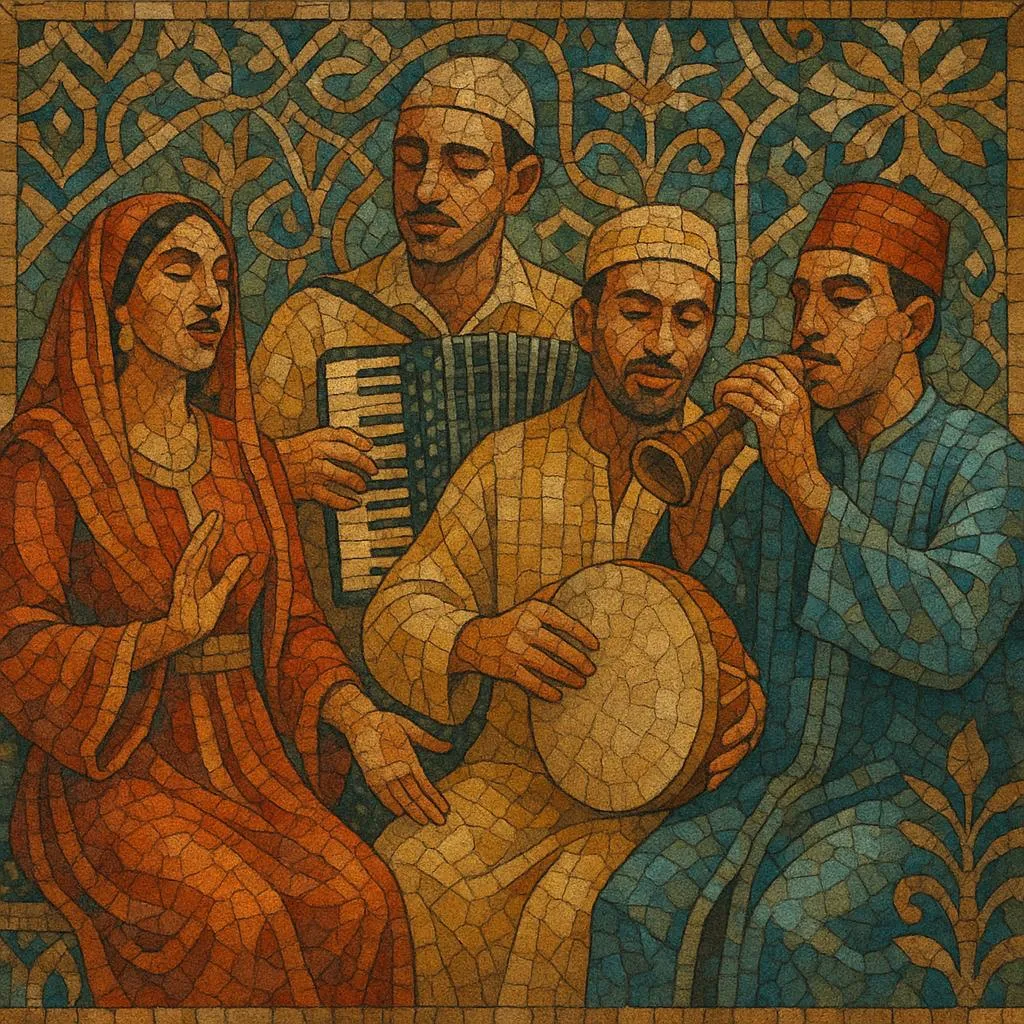
In its modern form (shaped by the cassette-and-keyboard era of the 1980s–1990s), wedding bands favor arranger keyboards, percussion (derbouka, bendir, t’bol), zurna/ghaita fanfares, and extended medleys that move from ceremonial processionals to high-energy dance sets. Ululations (youyous/zalghouta), call-and-response refrains, modal melodies (maqām-based), and celebratory lyrics about joy (farḥa), blessing (baraka), and family are central.
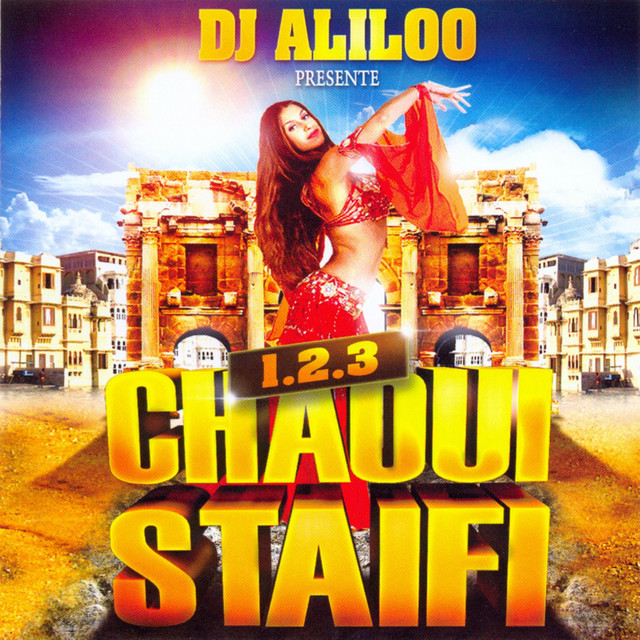
Because weddings are community‑wide events, the style is pragmatic and inclusive: bands adapt setlists and groove feels to the family’s region, language (Arabic, Darija, Kabyle, Chaoui), and taste, stitching together chaâbi slow dances, raï club grooves, staifi four‑on‑the‑floor, and traditional songs for key rites like the bride’s entrance or henna night.

History
Algerian wedding music predates recording by centuries, drawing on courtly Andalusian traditions (sanâa/gharnati) in Algiers and Tlemcen, chaâbi urban song for communal gatherings, and Amazigh (Kabyle/Chaoui) repertoires marked by frame drums and call‑and‑response. In the west, festive Allaoui and Oranais aesthetics fed the dance core of celebrations, while saharan Gasba flutes and ghaita–t’bol fanfares framed processions and threshold rituals.
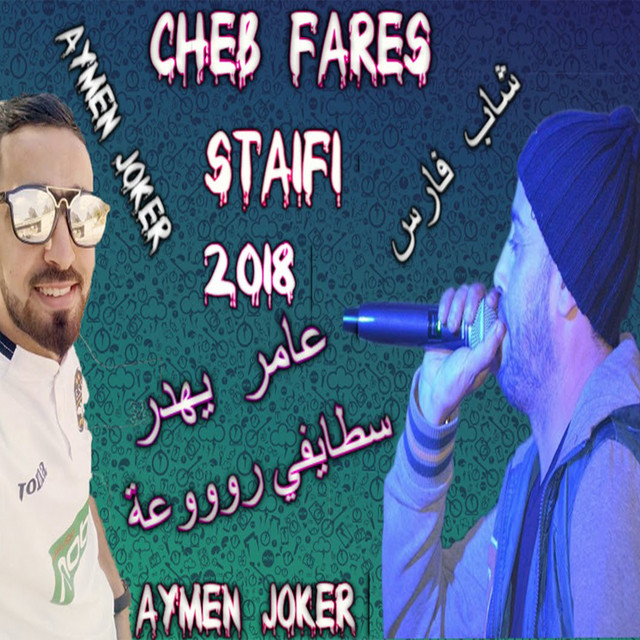
From the late 1970s through the 1990s, cheap cassettes and arranger keyboards transformed the wedding economy. Bands could amplify and modernize local repertoires, weaving chaâbi standards, raï hits, and regionals (staifi from Sétif, Kabyle line dances, Chaoui rhythms) into long, DJ‑like medleys. This portability made musicians central to diasporic weddings in France and beyond, circulating a flexible, pan‑Algerian wedding sound.
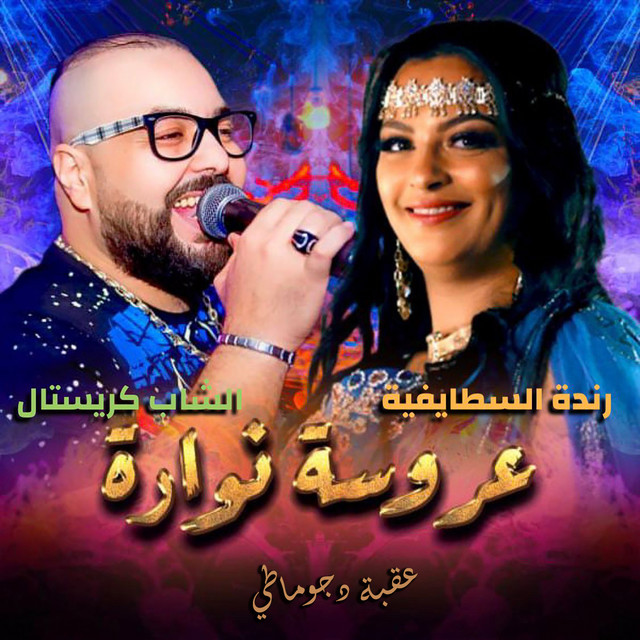
Weddings structure music into phases: welcoming fanfares/ululations, ceremonial slow songs for entrances and blessings, and peak‑energy dance blocks. Singers customize lyrics with the couple’s names and family dedications. Women’s ululations and antiphonal choruses fold the audience into the performance, blurring performer–listener boundaries typical of North African wedding culture.
Today, YouTube/streaming and diaspora club circuits sustain a hybrid approach: live percussion and ghaita cohabit with heavily processed keyboards, autotune, and raï‑pop production. Bands remain versatile service providers—able to pivot from Andalusian standards for elders to raï/staifi bangers for the dance floor—while preserving the wedding’s core function: collective joy and social cohesion.