Your digging level
Description
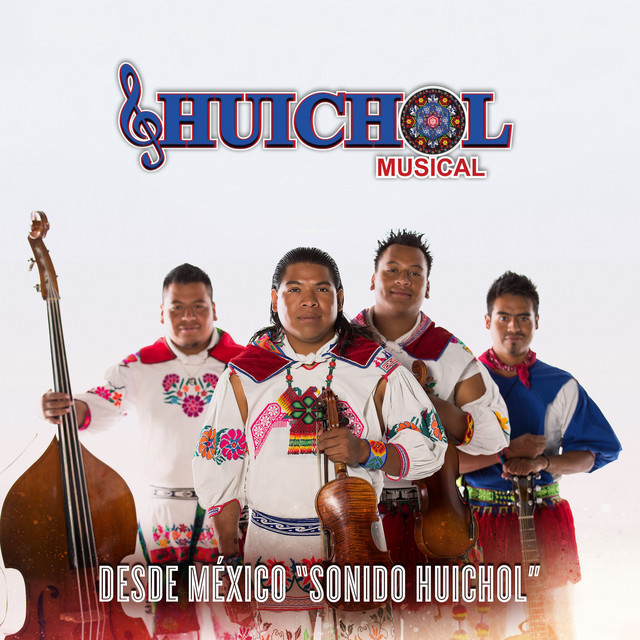
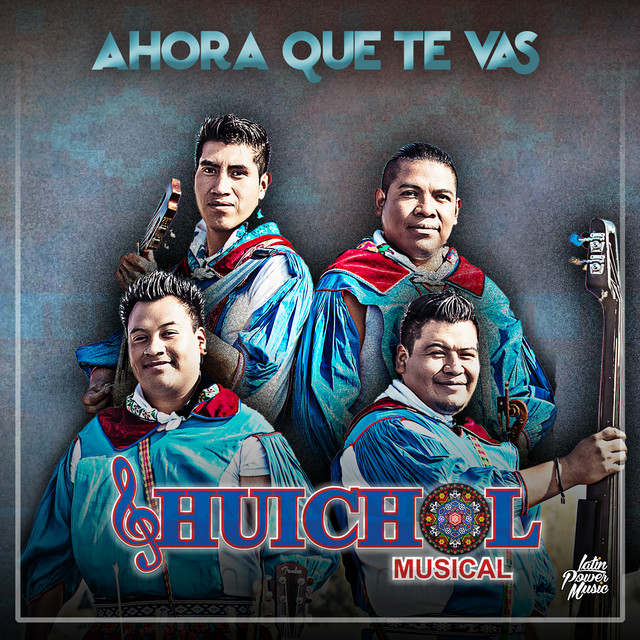
Música wixárika (Huichol music) is a contemporary, dance‑oriented string‑band tradition created by Wixárika (Huichol) musicians from the Sierra Madre Occidental of western Mexico. It blends indigenous language and aesthetics with regional Mexican dance forms.
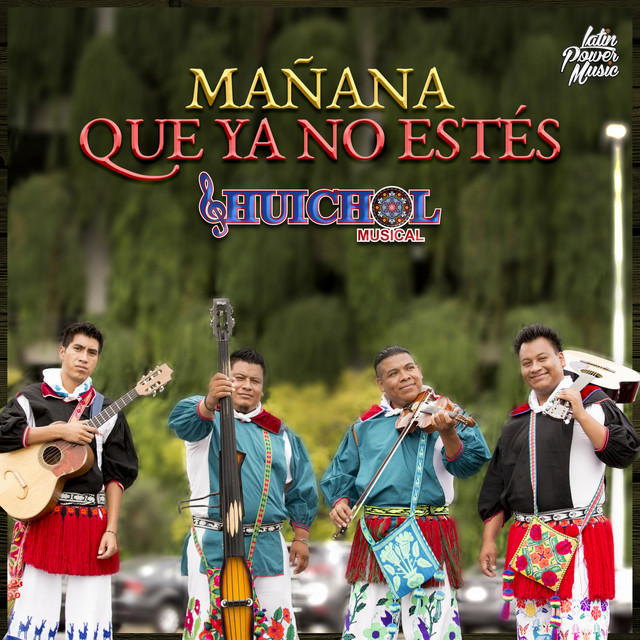
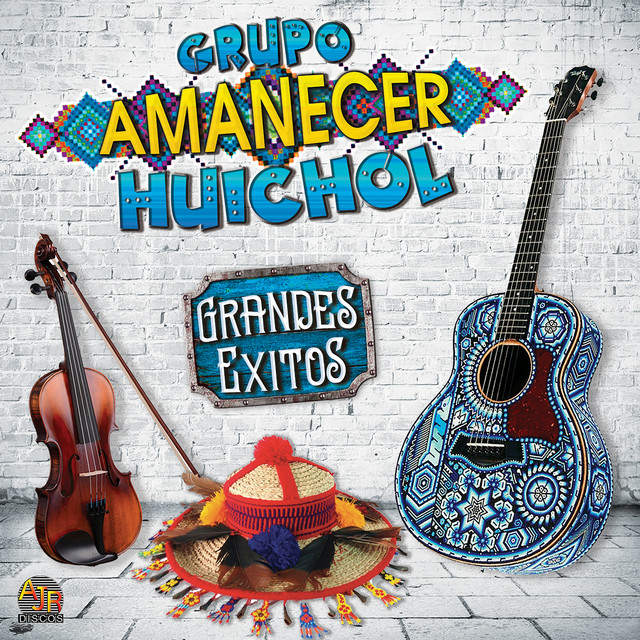
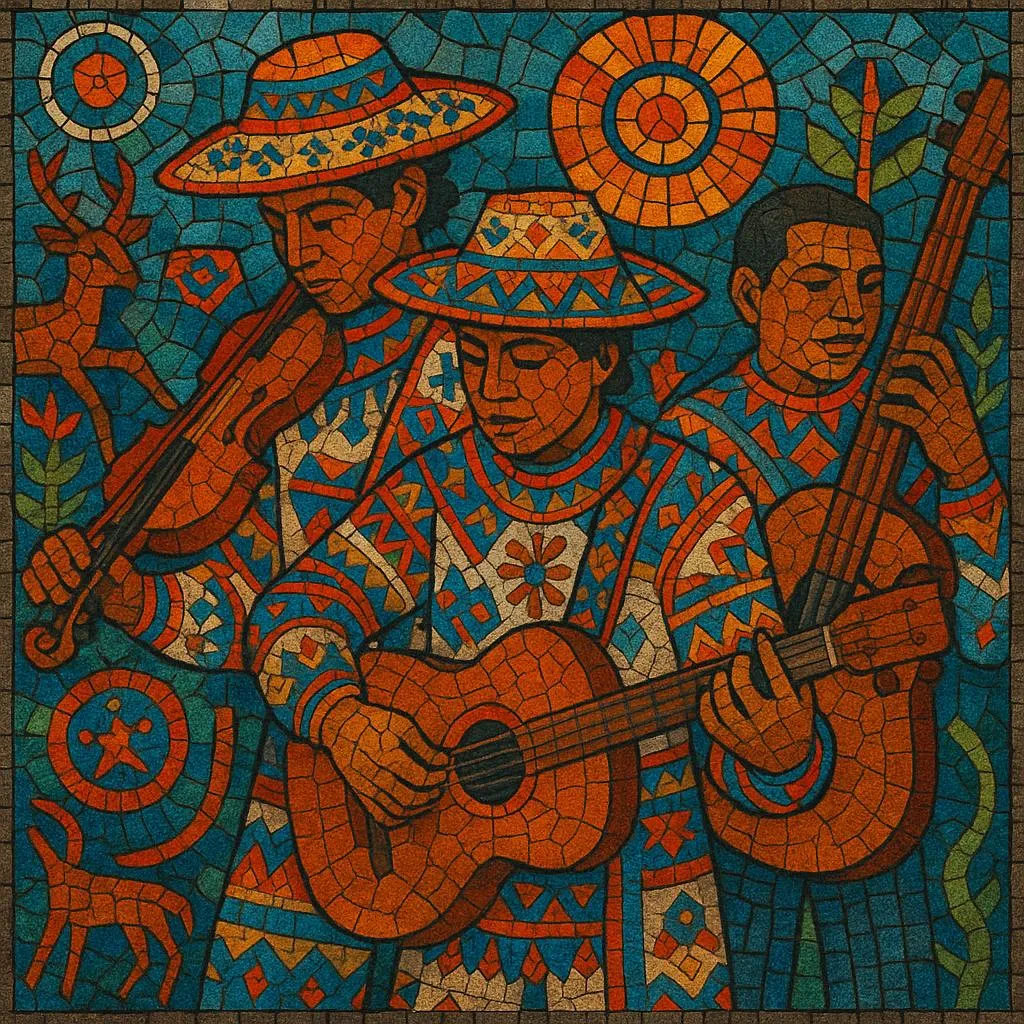
Typical ensembles feature a bright, agile lead violin supported by two small strummed guitars of local design (the xaweri and the kanari, akin to a vihuela or jarana) or standard guitar, plus tololoche or electric bass. Repertoires include cumbias, sones, jarabes, and corridos performed in Wixárika and Spanish, often celebrating community life, pilgrimage sites (like Wirikuta), deer and maize symbolism, and everyday stories.
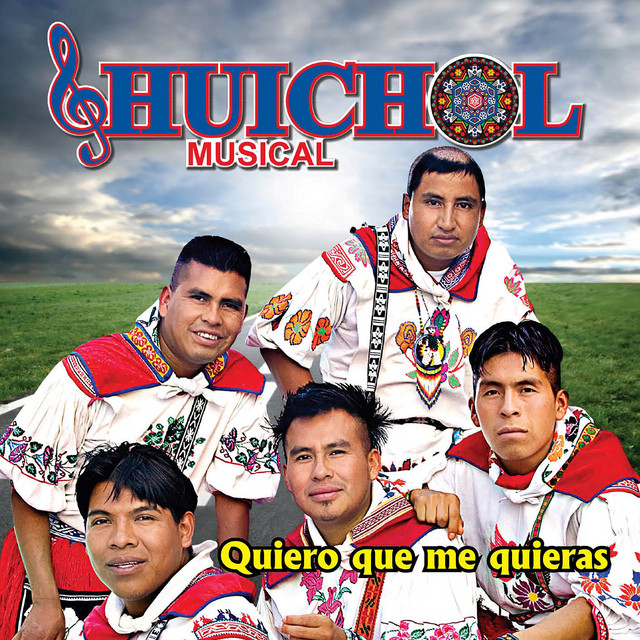
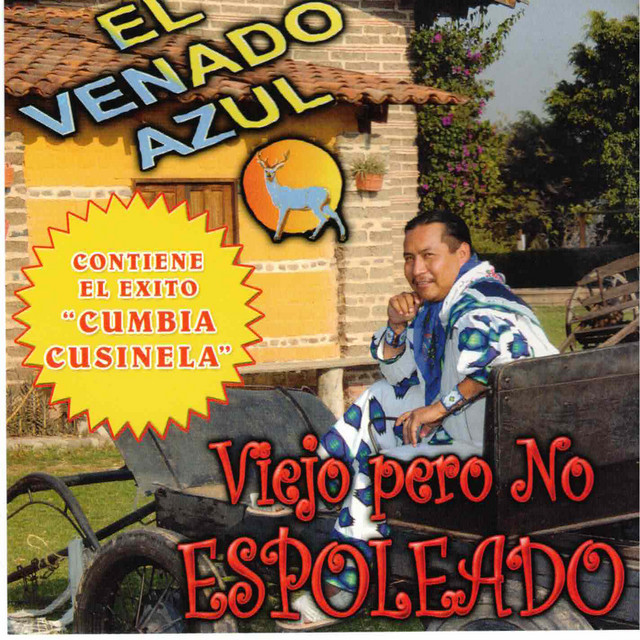
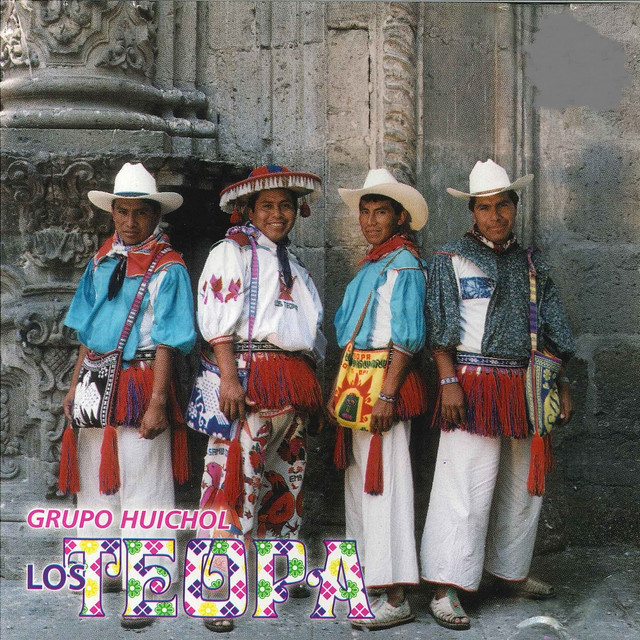
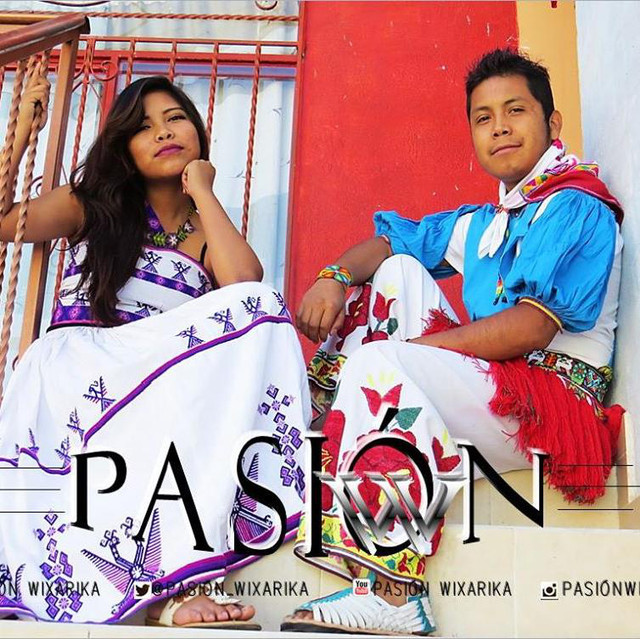
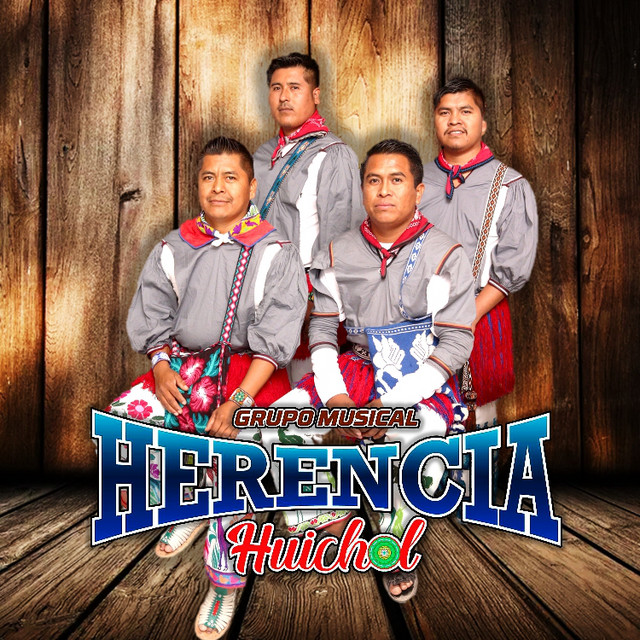
The sound is joyous and percussive—rapid violin melodies over driving triplet‑inflected strums (sesquialtera) and two‑step or cumbia backbeats—presented in colorful, embroidered Wixárika attire that foregrounds cultural identity.
History
Wixárika musical practice predates colonization, centering on ceremonial chants led by mara’akate (ritual specialists) with rattles and frame drums. From the colonial era into the 19th century, string instruments such as the violin and small guitars were adopted and indigenized, giving rise to local trios featuring violin, xaweri, and kanari.
In the late 20th century, Wixárika string trios began performing outside ceremonial contexts at fiestas, markets, and regional festivals, assimilating popular dance forms like son jalisciense, cumbia, and corrido. Amplification and recording access in the 1990s–2000s allowed bands to reach Mexican regional circuits while singing in Wixárika, creating a recognizable crossover sound that audiences could dance to but that still foregrounded indigenous identity.
By the 2000s, groups from Nayarit and Jalisco popularized violin‑fronted, high‑energy cumbias and sones with bilingual lyrics, helping define “música wixárika” as a marketed genre within Regional Mexicano. Media appearances, touring, and viral clips expanded its reach, and youth performers began to incorporate electric bass, drum kit, and modern production.
Música wixárika thrives across community celebrations, cultural festivals, and digital platforms. Many bands maintain traditional dress and iconography while experimenting with contemporary arrangements. The genre continues to function as both entertainment and cultural affirmation, connecting rural communities, diaspora listeners, and broader regional Mexican audiences.