Your digging level
Description
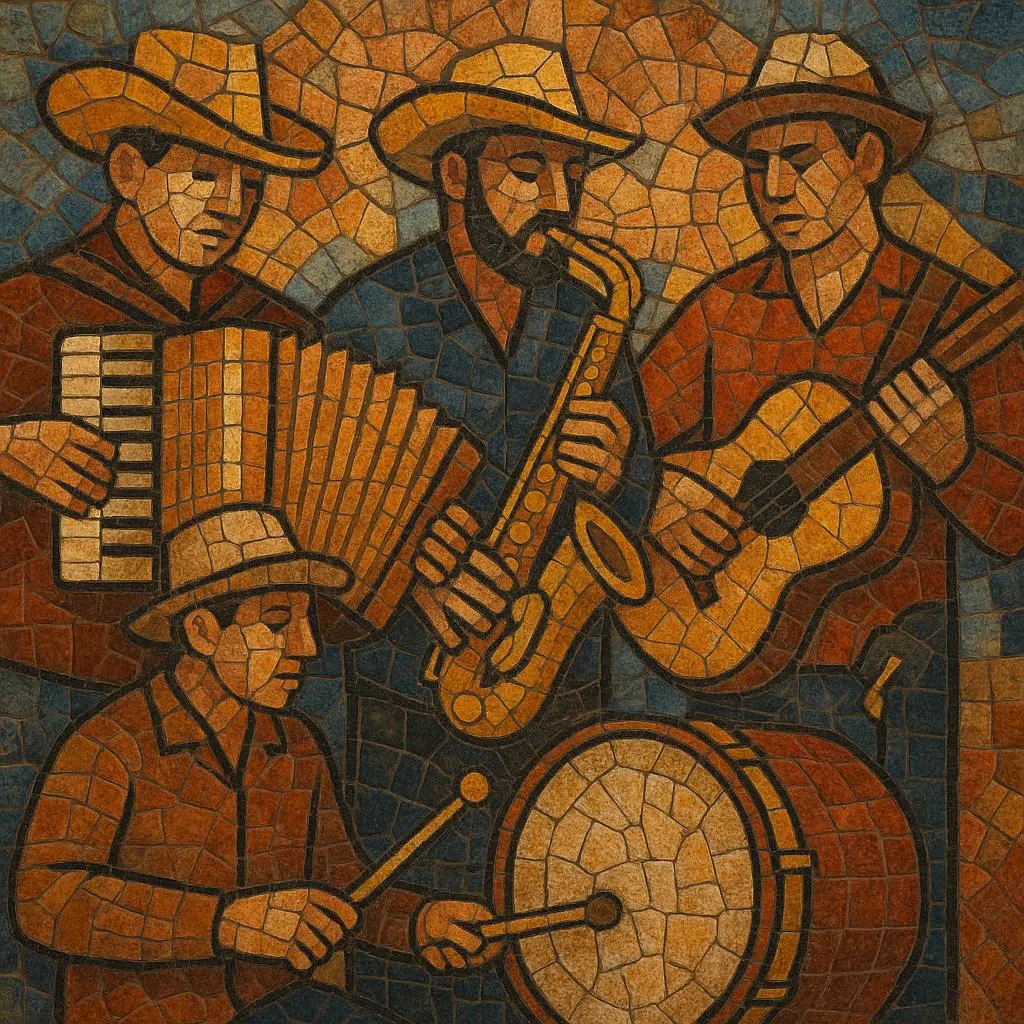
Música sonorense designates the regional popular music ecosystem of the Mexican state of Sonora. It blends mid‑20th‑century norteño (often led by accordion and sax), ranchera and corrido song forms with dance grooves adopted from cumbia and other pan–Latin styles. Brass and tambora colors from neighboring banda scenes also appear, but arrangements typically center on small combos with vocals, accordion, alto sax, bajo sexto/guitar, bass and drums.
Beyond the commercial bands, música sonorense sits atop deep Indigenous roots (Yaqui and Mayo ceremonial repertories such as the Danza del Venado), and contemporary artists from Hermosillo, Obregón and the border towns have carried the style to national and US stages.
History
Post‑war radio, dance halls and border circuits helped consolidate a Sonoran sound that favored compact ensembles and lively polkas/waltzes alongside cumbia’s 2/4 sway. Norteño with saxophone—whose prominence grew across northern Mexico—shaped the region’s timbre, pairing alto sax with accordion and bajo sexto.
Underpinning the region’s identity are Yaqui and Mayo traditions. Ceremonial music like the Danza del Venado (Deer Dance) remains an emblem of Sonora’s cultural memory and performance practice, even as the commercial scene modernized.
Local groups professionalized a hybrid repertoire—corridos, rancheras and cumbias—geared to baile crowds and regional radio. Sonoran singers gained national visibility, crystallizing a lyrical focus on love, landscape and border life.
Hermosillo‑born stars have re‑framed música sonorense within the broader “regional mexicano” boom, issuing high‑profile live albums from Sonora that spotlight the state’s sound world and its ties to corrido and banda aesthetics.