Your digging level
Description
Música purépecha is the traditional and contemporary music of the Purépecha (P’urhépecha) people of the highlands of Michoacán, Mexico. At its core are the pirekuas—lyrical songs in the P’urhépecha language—alongside festive sones and dance repertoires performed by community string orchestras and brass wind bands.
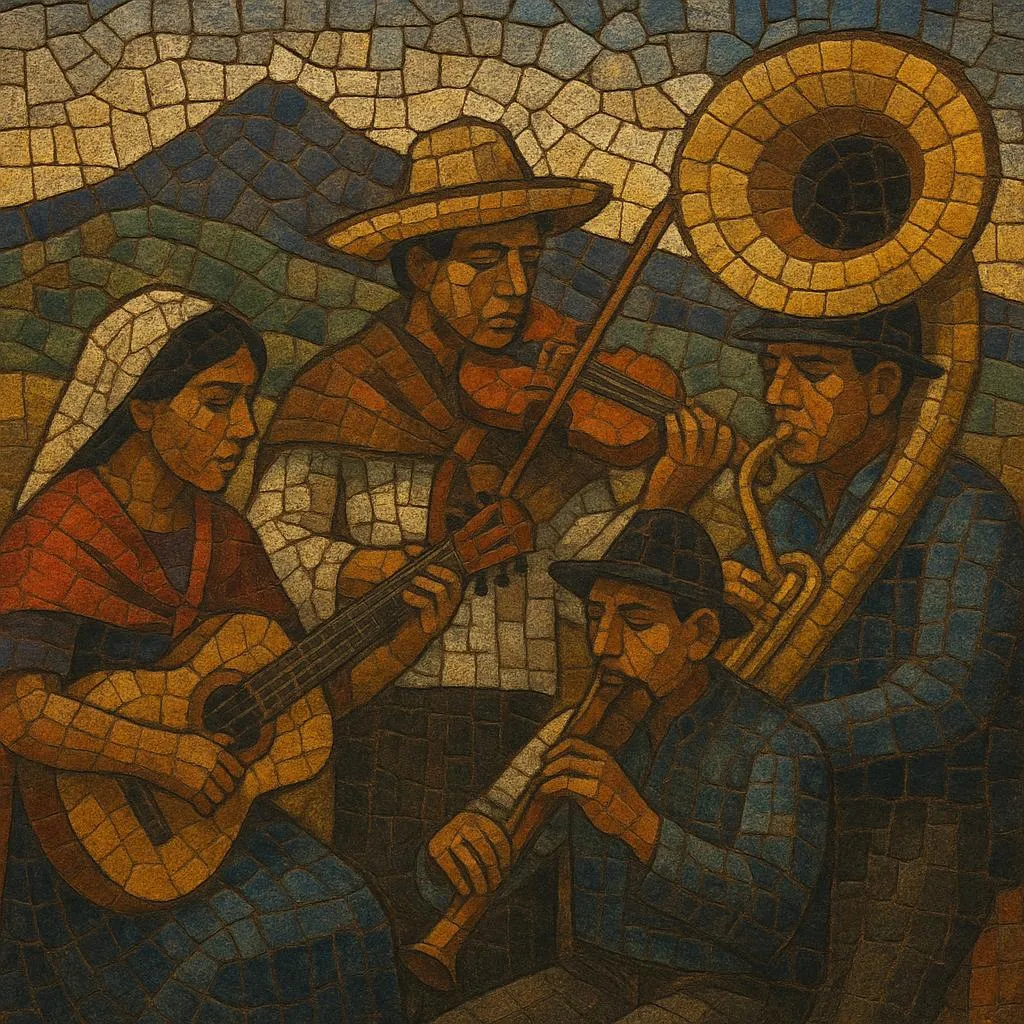
Pirekuas are typically slow to mid‑tempo, melodically rich, and harmonized in parallel thirds and sixths, often accompanied by guitars, requintos, violins, and bass (tololoche or guitarón). Community bands (bandas de viento) animate patron‑saint fiestas and civic gatherings with lively sones, abajeños, and processional pieces. In recent decades, ensembles have also adapted cumbia, banda, and romantic ballad idioms while maintaining P’urhépecha texts and aesthetics, creating a living tradition that bridges ancestral song with regional Mexican popular styles.
History
Purépecha musical practice predates the Spanish conquest, with vocal poetry, ritual song, and communal dance central to social life. After the 16th century, string instruments (guitars, violins, harps) and Iberian polyphony were incorporated into local practice, giving rise to the string‑based accompaniment and two‑ to three‑part vocal textures that define the pirekua.
By the 1800s, string “orquestas típicas” were established across the Meseta Purépecha to accompany dances and feasts. In the late 19th and early 20th centuries, brass and reed “bandas de viento” proliferated in towns such as Cherán, Tzintzuntzan, and Paracho, performing marches, sones, abajeños, and religious processions. These ensembles institutionalized local repertories and trained generations of youth, embedding music in the civic fabric.
The pirekua—now recognized as Intangible Cultural Heritage by UNESCO—crystallized as the emblematic Purépecha genre. Sung by soloists, duos, or choirs, pirekuas feature flexible or steady rhythms, major/minor modality, and close‑harmony counter‑melodies. Texts in P’urhépecha (and sometimes Spanish) explore love, landscape, spirituality, social commentary, and communal identity.
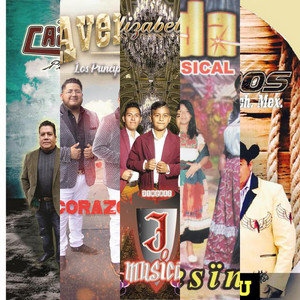
Since the late 20th century, many Purépecha ensembles have blended traditional song with regional Mexican idioms (banda, cumbia, bolero) while preserving P’urhépecha language and poetic imagery. Community festivals, concursos, and parish fiestas continue to be vital performance hubs, while recordings and radio have broadened the genre’s reach. Today, música purépecha is a dynamic continuum: ceremonial, communal, and creative, linking ancestral voice with modern regional soundscapes.